







What is chicory, what is it good for and how do you grow it at home?
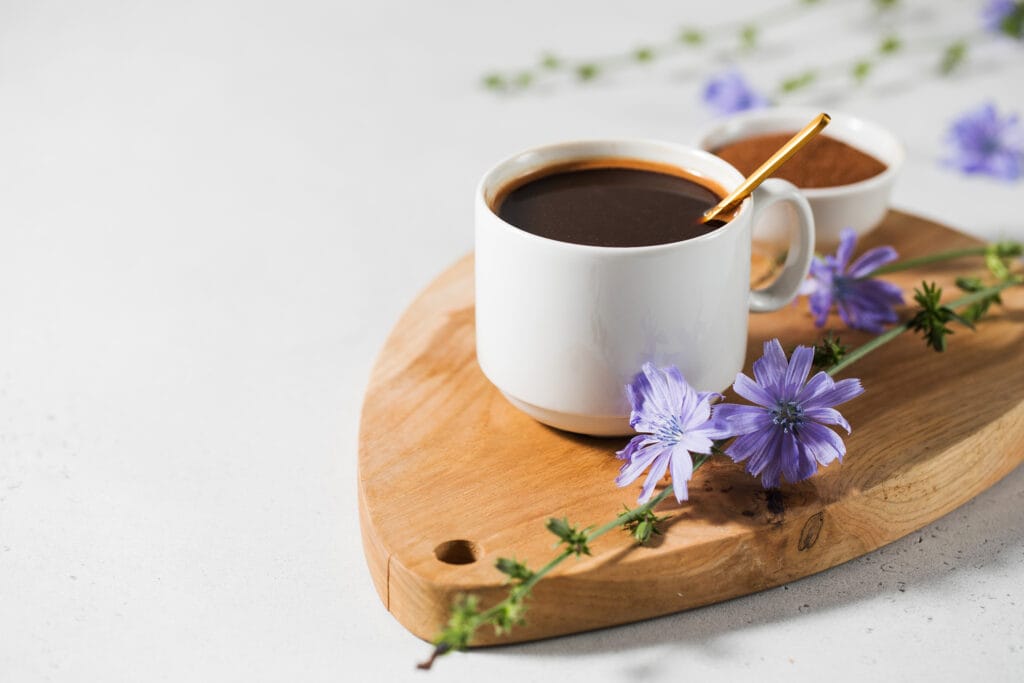
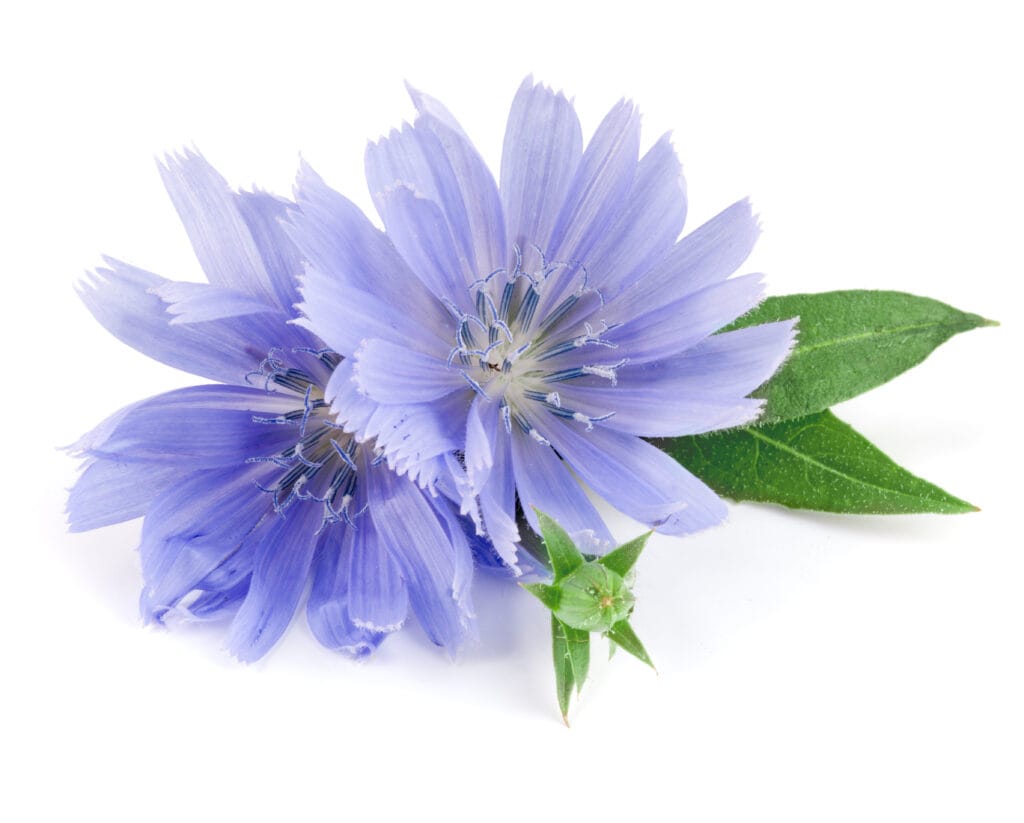
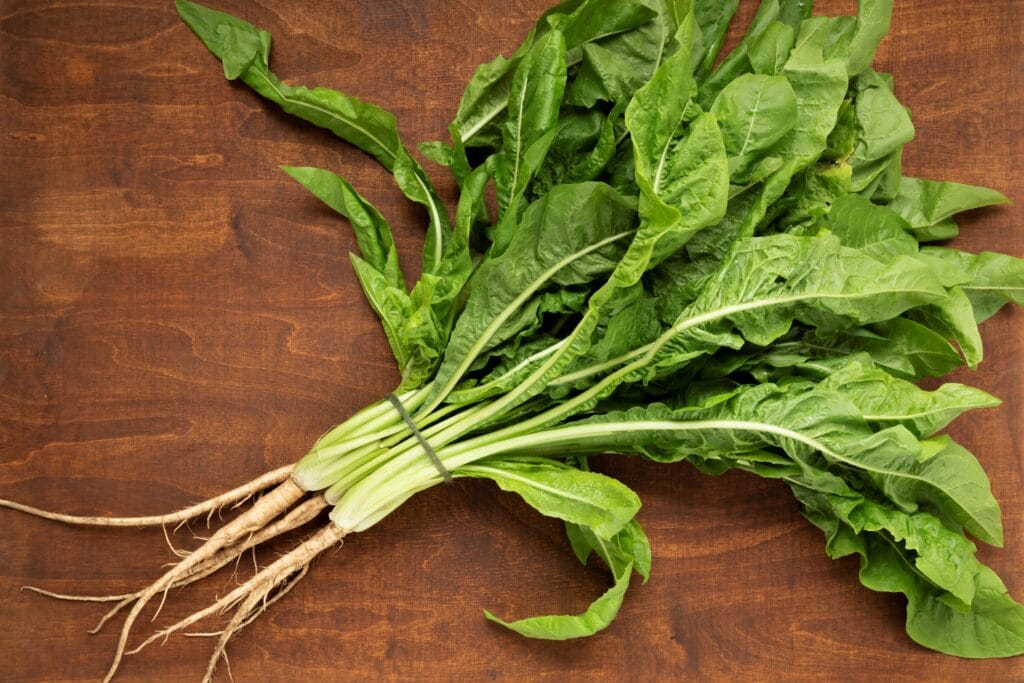
Chicory (Cichorium intybus) is a leafy vegetable and medicinal plant that has been used in food and natural medicine for centuries. It is known for its distinctive, slightly bitter leaves that stimulate digestion, and it is also used as a coffee substitute (roasted chicory root).
Besides its rich flavour, chicory contains vitamins A, C and K, folic acid, potassium, manganese and fibre. It is especially valued for inulin, a natural prebiotic that supports healthy gut flora and balanced digestion.
Quick facts
- Germination time: 7–14 days
- Germination temperature: 15–20 °C
- Time to harvest: 60–80 days (depending on the variety)
- Primary effects: digestive, prebiotic, immune support
- Vitamins/minerals: A, C, K, folic acid, potassium, manganese, fibre, inulin
- Effects on the body: stimulates digestion, regulates blood sugar, strengthens immunity
Growing chicory at home
Chicory can be grown in the garden, on the balcony or in containers indoors. It likes sunny to partially shaded spots and well-drained soil. In cooler conditions the leaves are more tender and less bitter.
In smart gardens such as SIMPLY and AURELIA, chicory is easy to grow – with automatic irrigation and optimal light, it always gets perfect growing conditions.
Planting chicory from seed
- Sow the seeds in a light growing medium or use smart soil with seeds.
- Keep the medium moist until germination (7–14 days).
- Once the seedlings emerge, thin the plants so the leaves have enough room to develop.
- Chicory is a hardy plant and copes well with lower temperatures.
Growing in Simply and Aurelia smart gardens
Our smart gardens let you grow chicory stress-free, with automatic control of water and light. That means you can enjoy fresh, crisp leaves rich in fibre and inulin all year round – ideal for digestion and gut health.
How to harvest chicory so it keeps growing
- Pick the outer leaves while the centre keeps growing.
- Regular harvesting encourages new growth and prevents excessive bitterness.
- The best time to harvest is in the morning, when the leaves are richest in nutrients.
Common problems and solutions
| Problem | Possible cause | Solution |
| Bitter taste | High temperatures, older leaves | Pick younger leaves, grow in the cooler part of the year |
| Yellow leaves | Lack of nutrients | Add organic fertiliser or use smart soil |
| Weak growth | Overcrowded planting | Thin out the plants |
| Pests | Slugs, aphids | Remove by hand, use natural repellents |
| Wilting | Lack of water | Keep moisture even |
The difference between chicory and endive
- Chicory (Cichorium intybus): slightly bitter leaves, used in salads and as a coffee substitute (the root).
- Endive (Cichorium endivia): softer leaves, less bitterness, more often used as a mild salad.
How to store chicory
- In the fridge: keep in a plastic or paper bag for 3–5 days.
- Best used fresh: as it quickly loses its crispness.
- The root: can be dried and roasted as a coffee substitute.
Conclusion
Chicory is a nutritionally rich, versatile plant that brings flavour, health and functionality to your diet. Whether you use it in salads, cooked dishes or as natural digestive support, chicory is the right choice. With the SIMPLY and AURELIA smart gardens, you can grow it all year round – fresh, crisp and easily available.