














What is red chard (Rhubarb chard), what is it good for and how do you grow it at home?
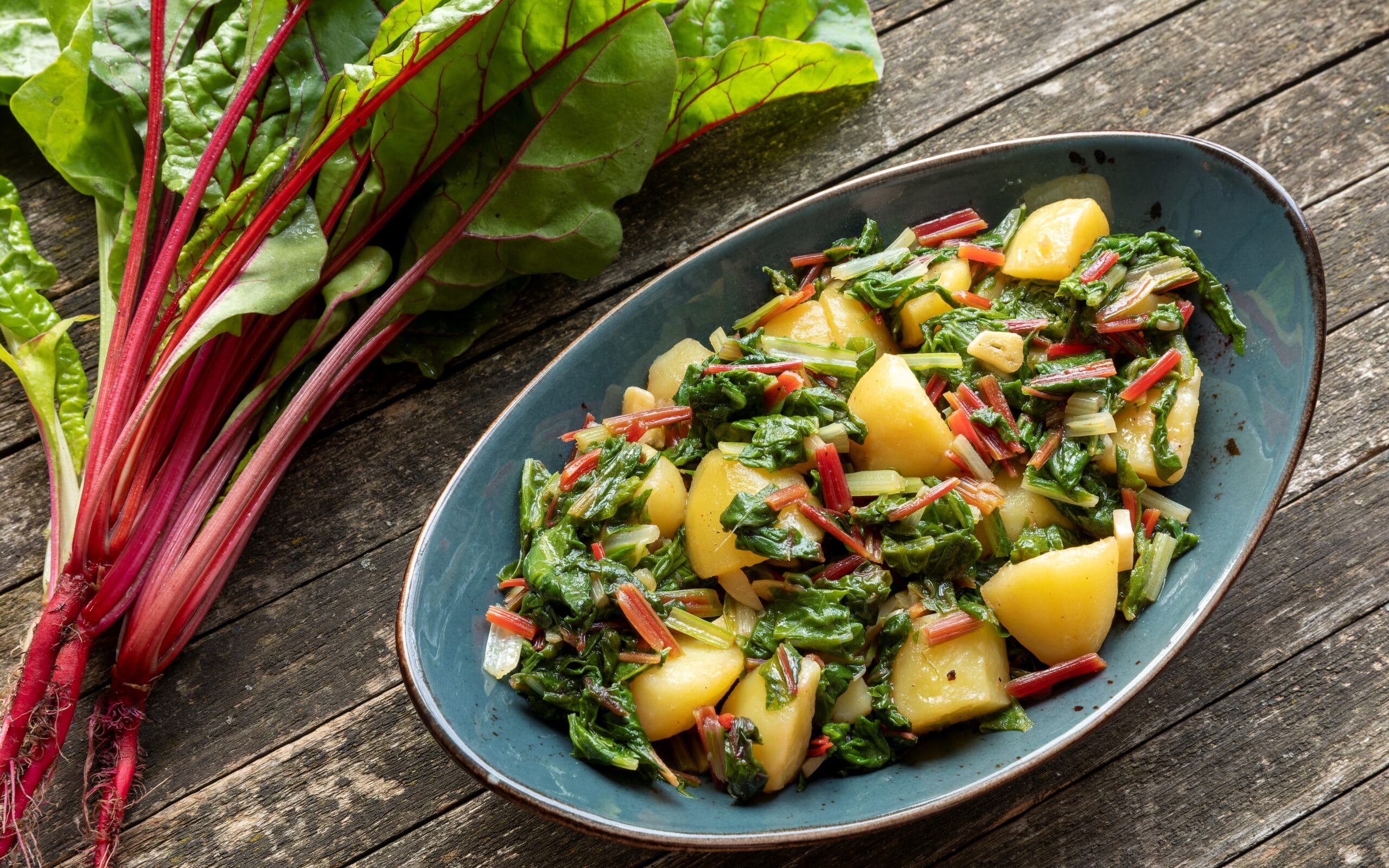
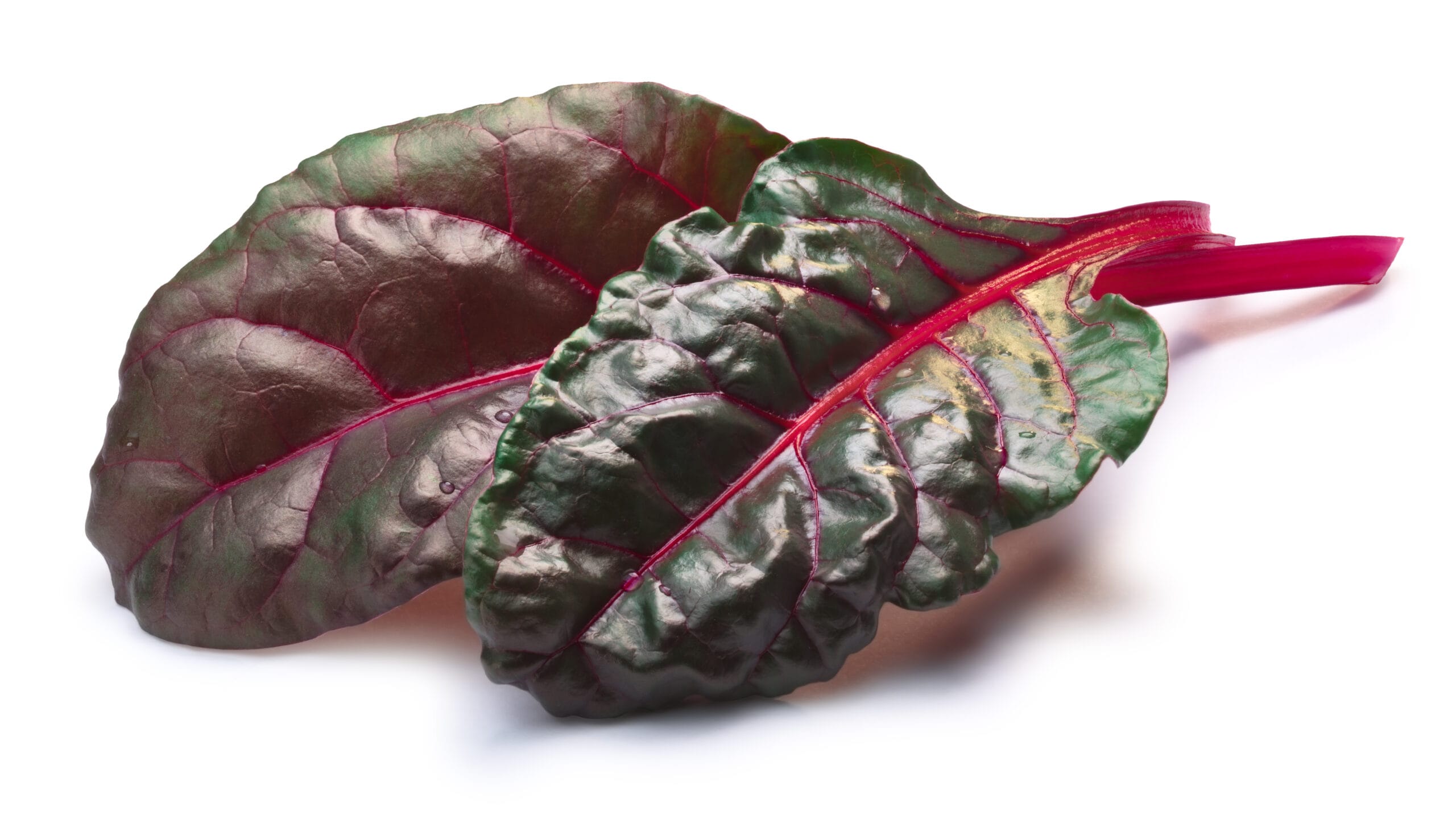
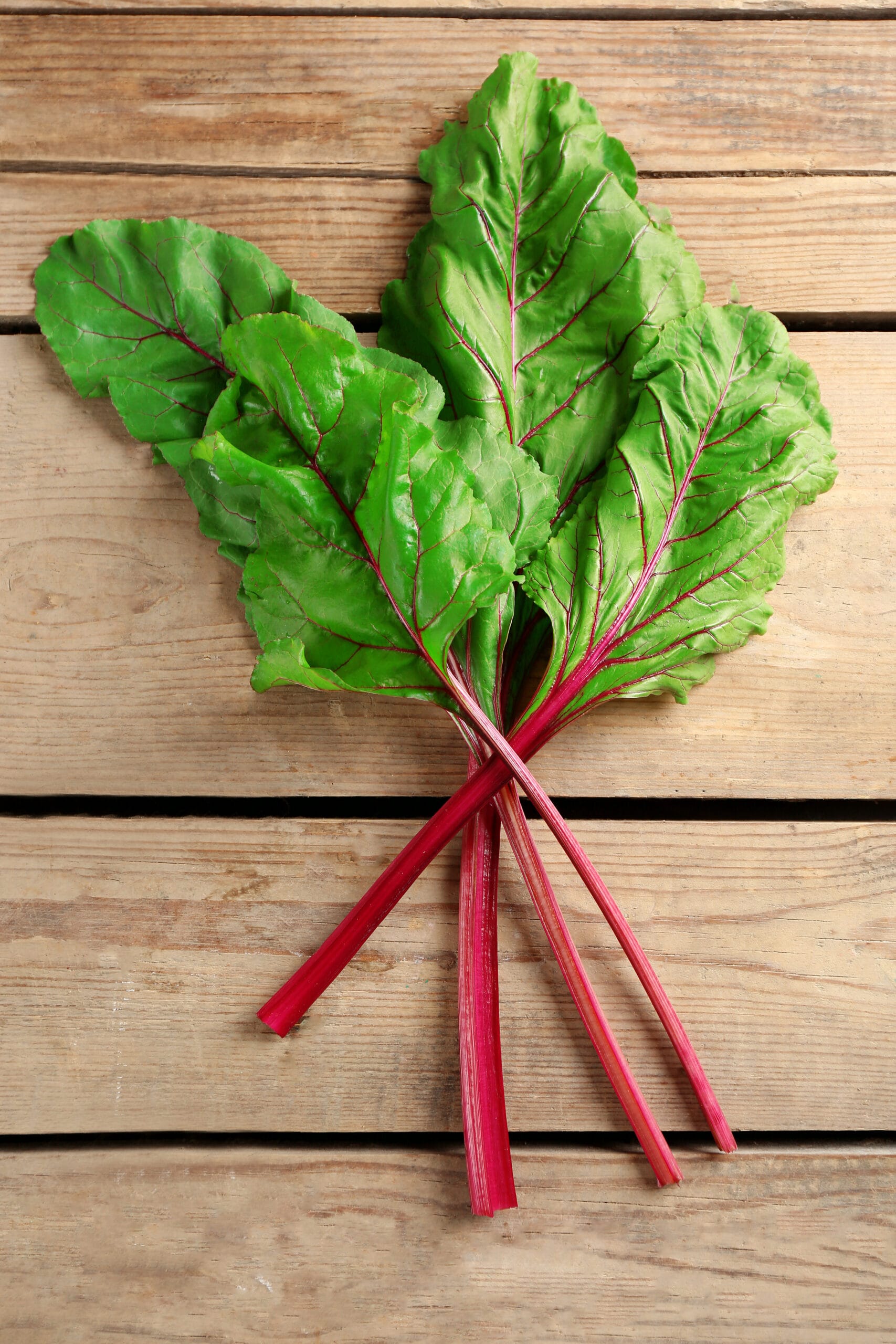
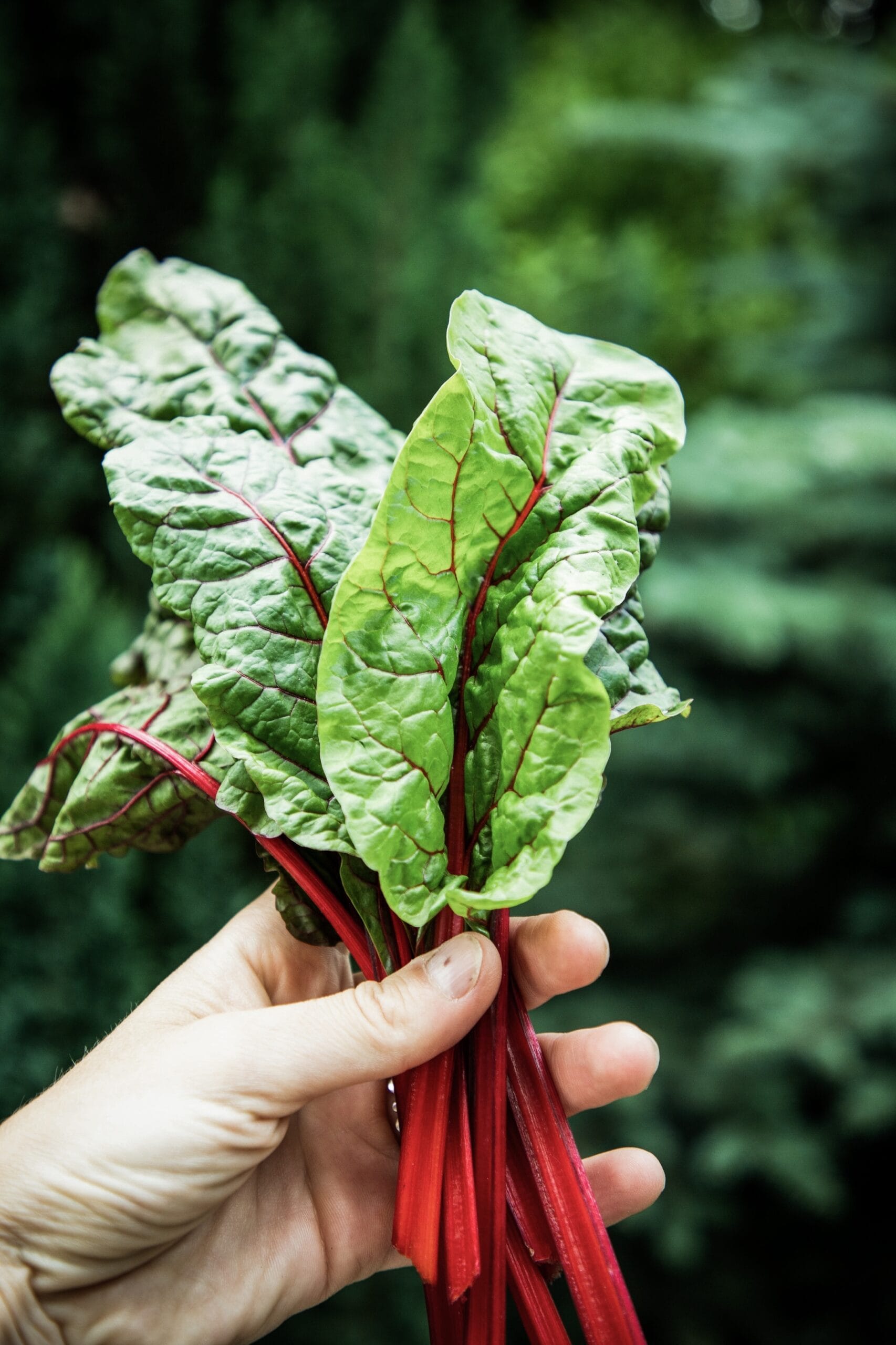
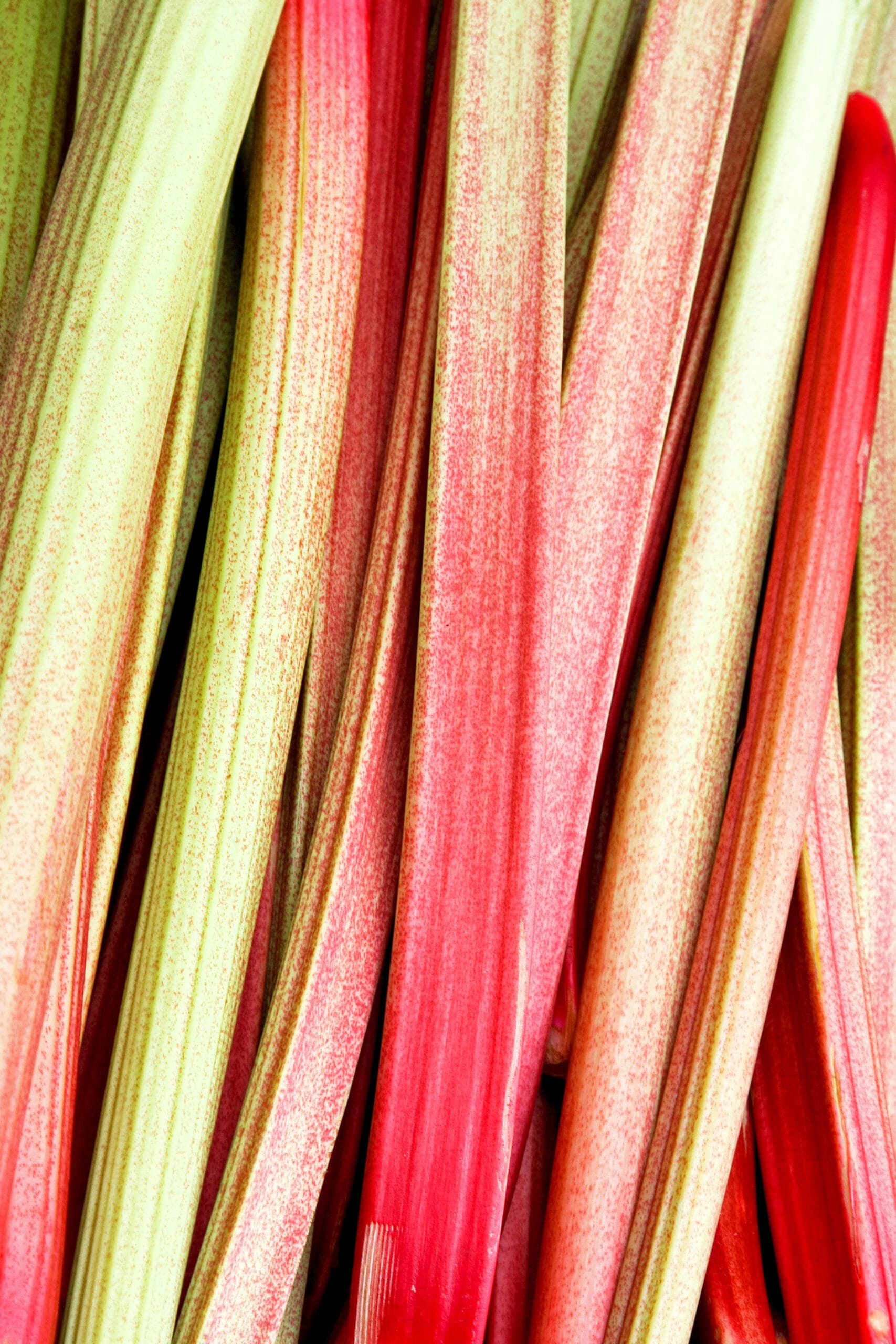
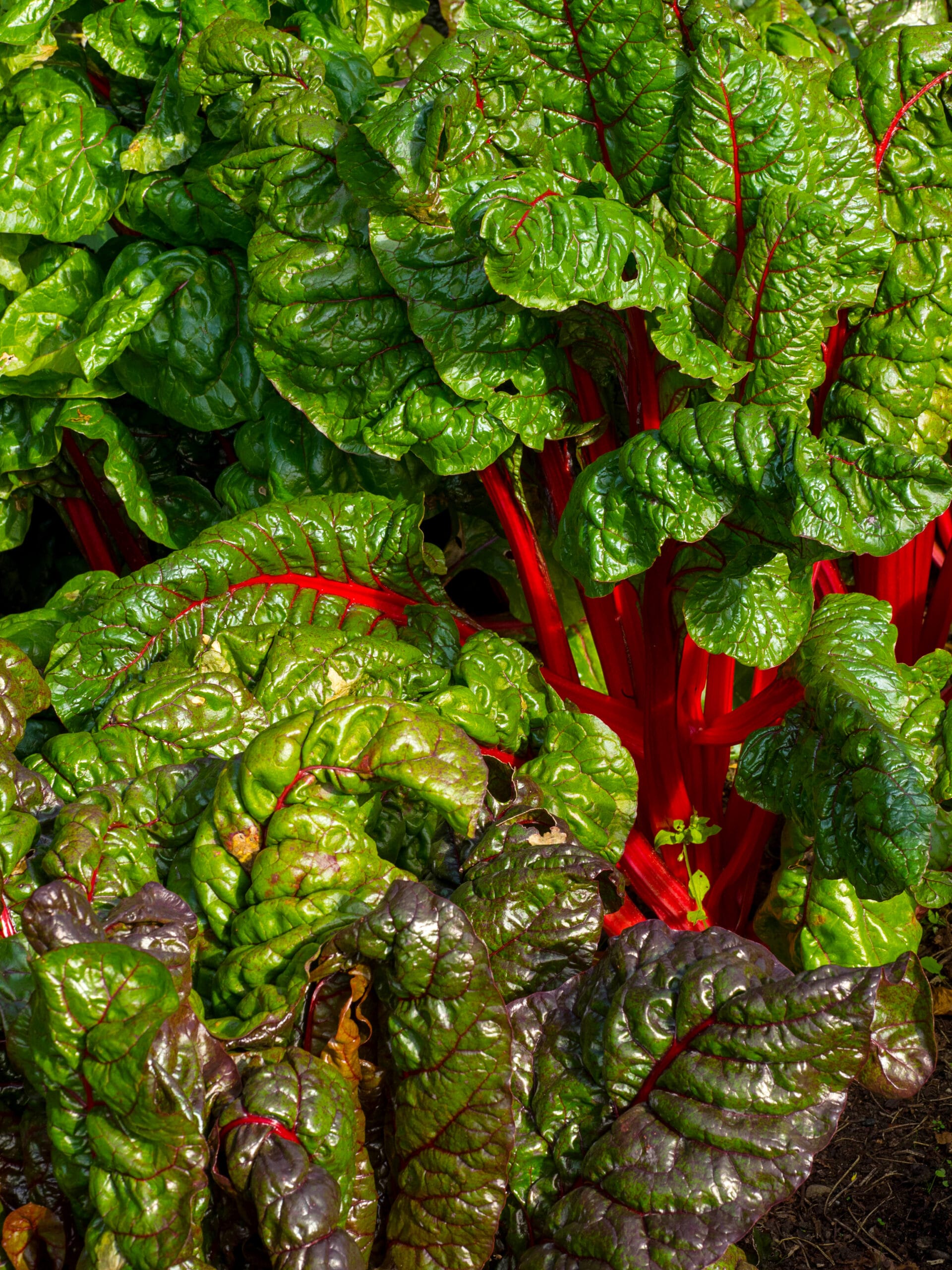
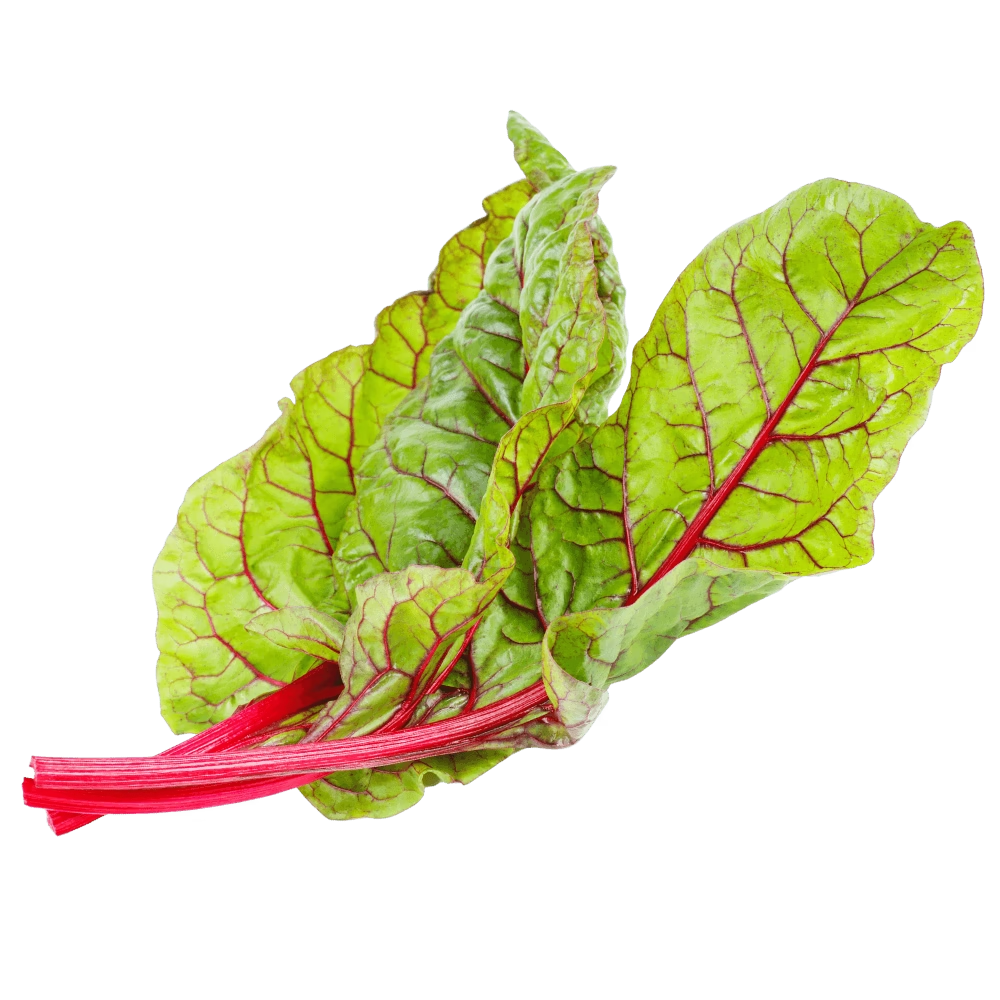
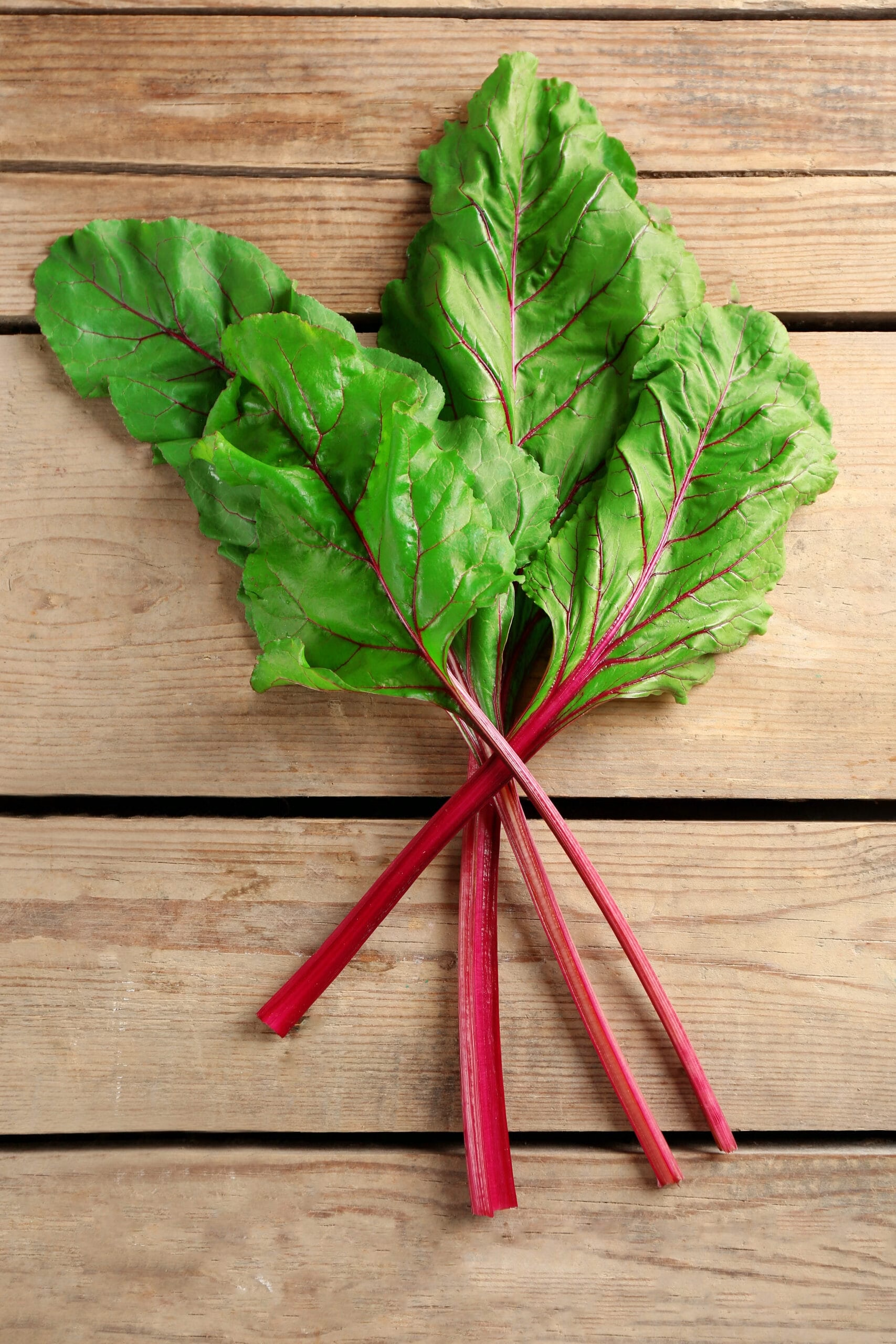
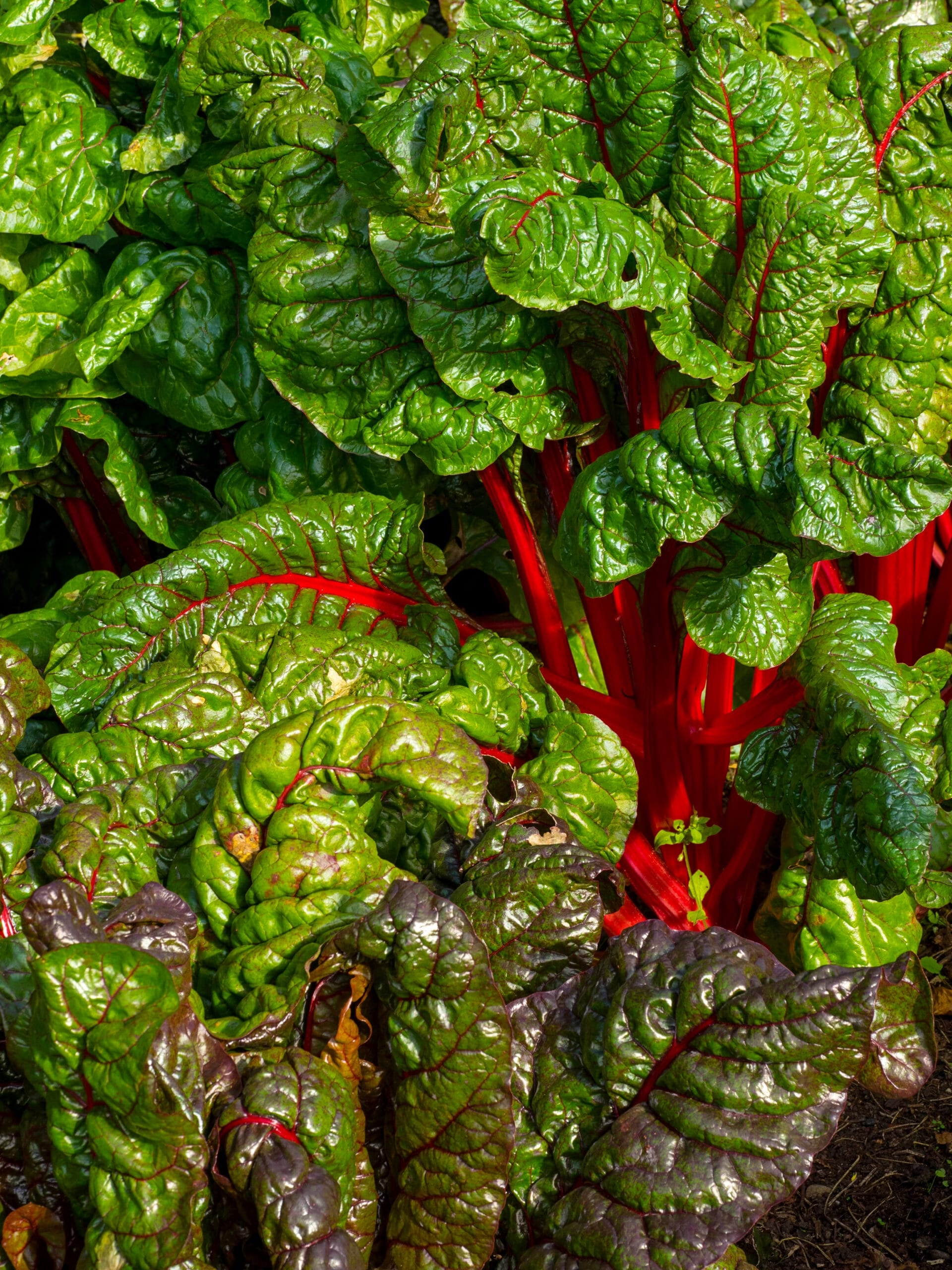
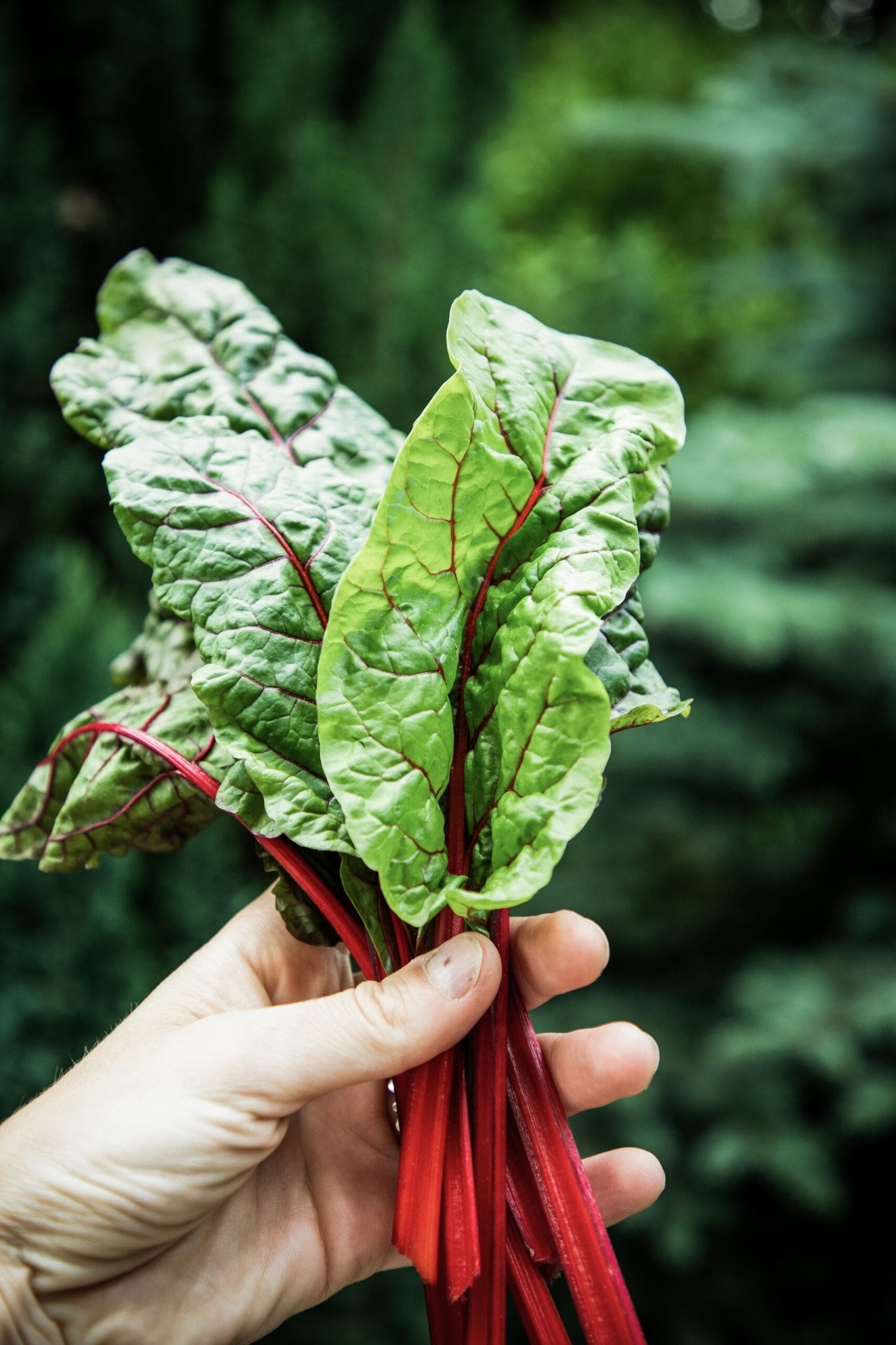
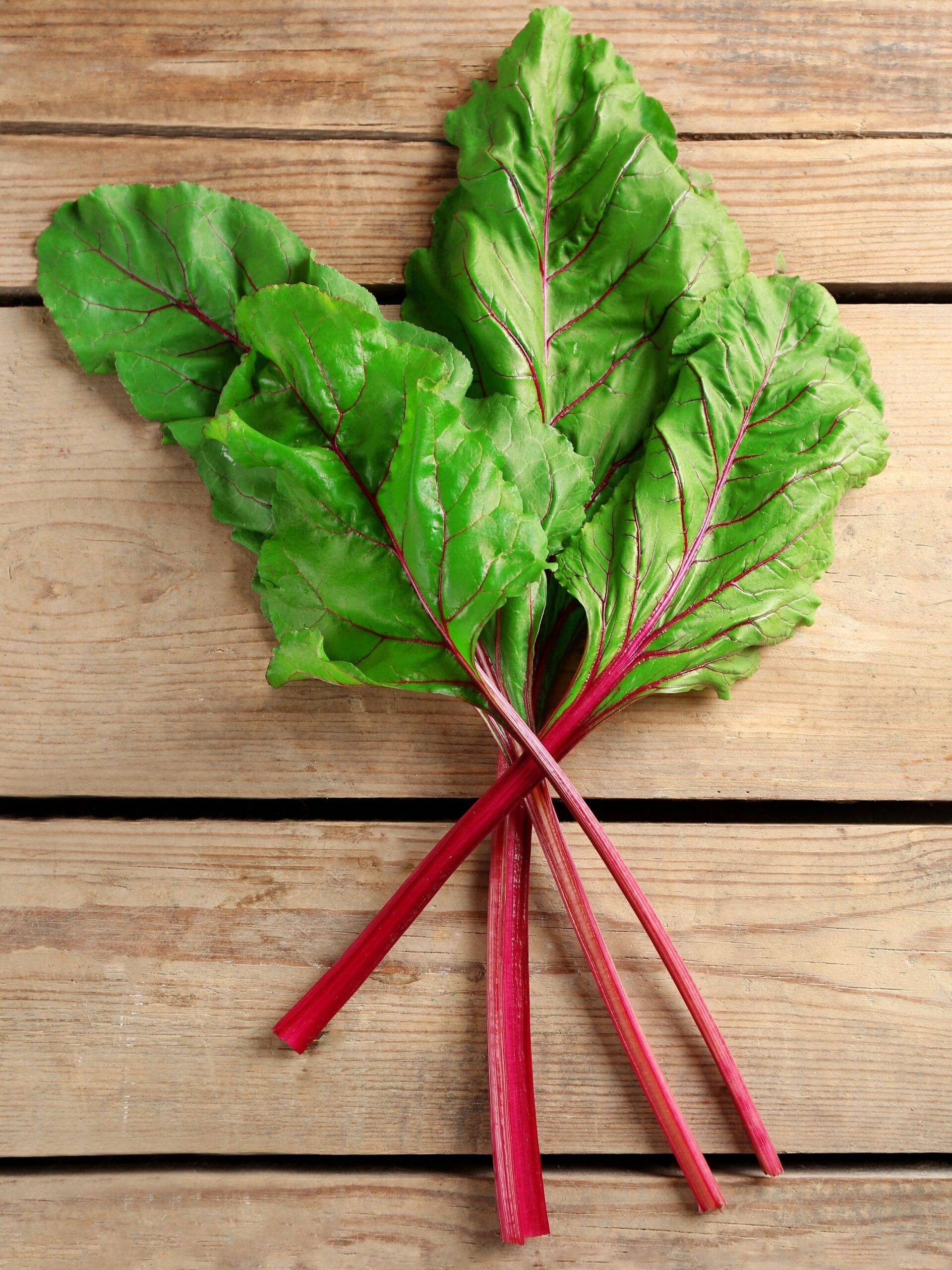
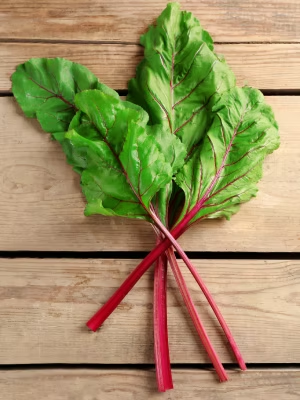
Red chard (Beta vulgaris subsp. vulgaris), also known as Rhubarb chard, is a leafy vegetable with a striking appearance thanks to its red stalks and leaf veins. As well as being decorative in the garden and on the plate, it is highly nutritious and easy to grow.
Nutritionally, red chard is rich in vitamins A, C and K, iron, magnesium, potassium and fibre, and thanks to powerful antioxidants such as betacyanins, it supports the health of the heart and blood vessels.
Quick facts
- Germination time: 7–14 days
- Germination temperature: 15–20 °C
- Time to harvest: 50–60 days (young leaves after just 30 days)
- Primary use: cooking, nutritional use
- Vitamins/minerals: A, C, K, iron, magnesium, potassium, fibre, antioxidants
- Effects on the body: strengthens blood vessels, supports digestion and immunity
Growing red chard at home
Red chard likes sunny to semi-shaded positions and loose, nutrient-rich soil. It can be grown in the garden, on balconies or indoors all year round. Regular harvesting of young leaves encourages continuous growth.
In smart gardens such as SIMPLY and AURELIA, red chard is easy to grow – with automatic watering and optimal light, it always produces crisp, fresh leaves with very little effort.
Planting red chard from seed
- Sow the seeds in substrate or use smart soil with seeds.
- Keep it moist until germination (7–14 days).
- After sprouting, thin the plants so they have enough space.
- In SIMPLY and AURELIA smart gardens there is no transplanting – the plant simply gets perfect conditions.
Growing in Simply and Aurelia smart gardens
Our smart gardens let you have fresh red chard always close at hand – for soups, stews, fritters or smoothies. Automatic watering and LED support ensure a constant yield.
How to harvest and use red chard
- Young leaves can be picked after just 30 days.
- Cut the outer leaves while the central ones keep growing.
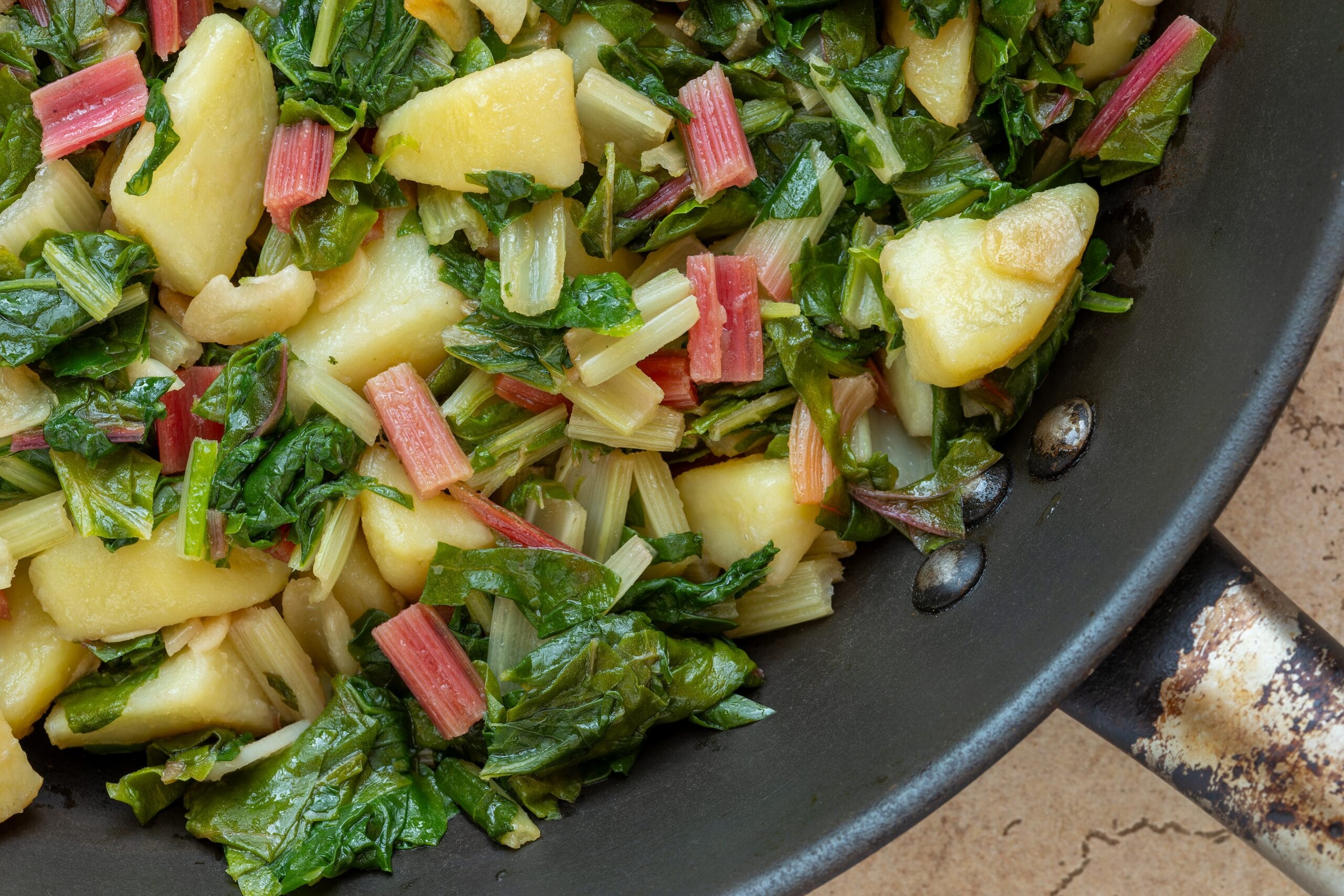
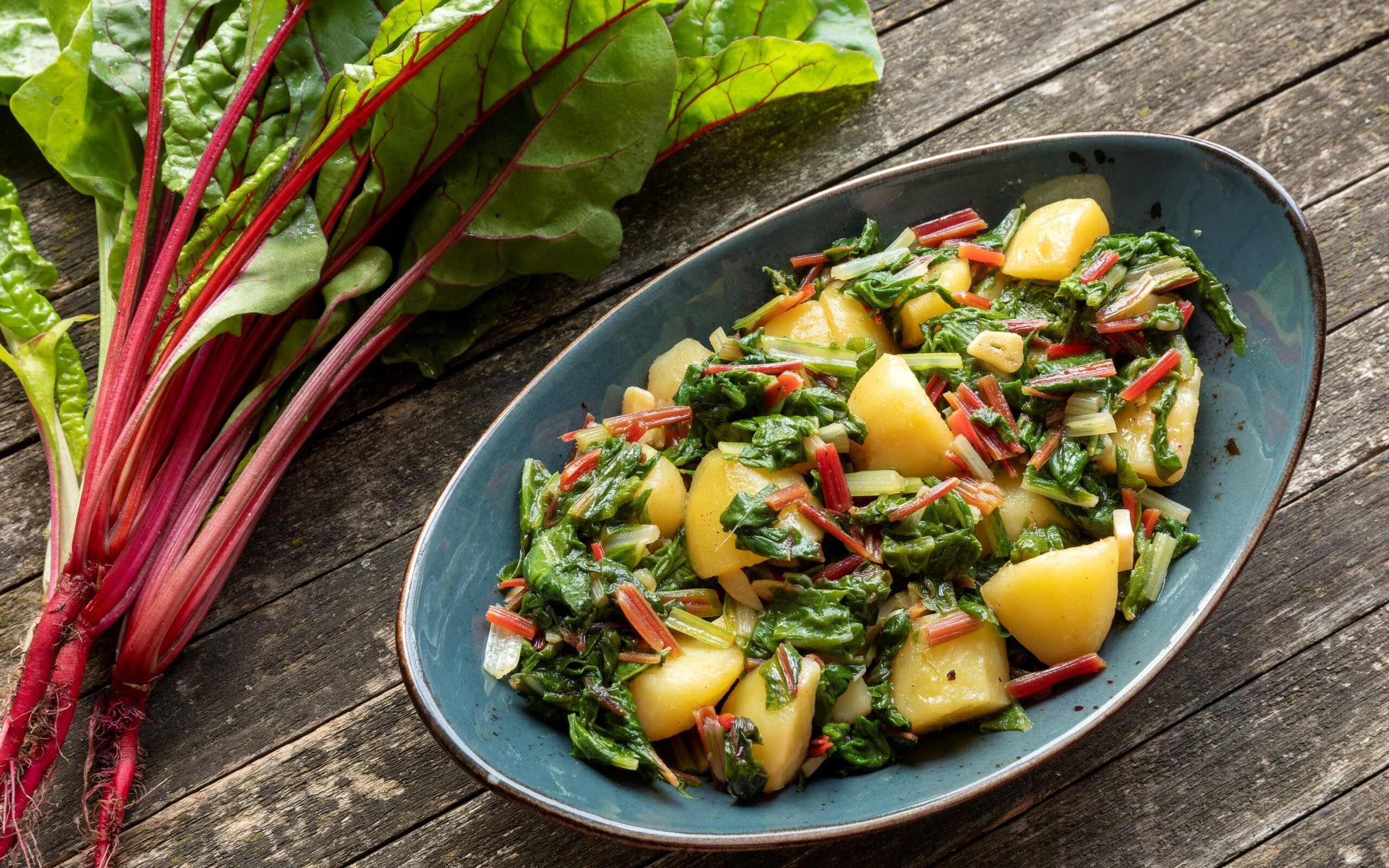
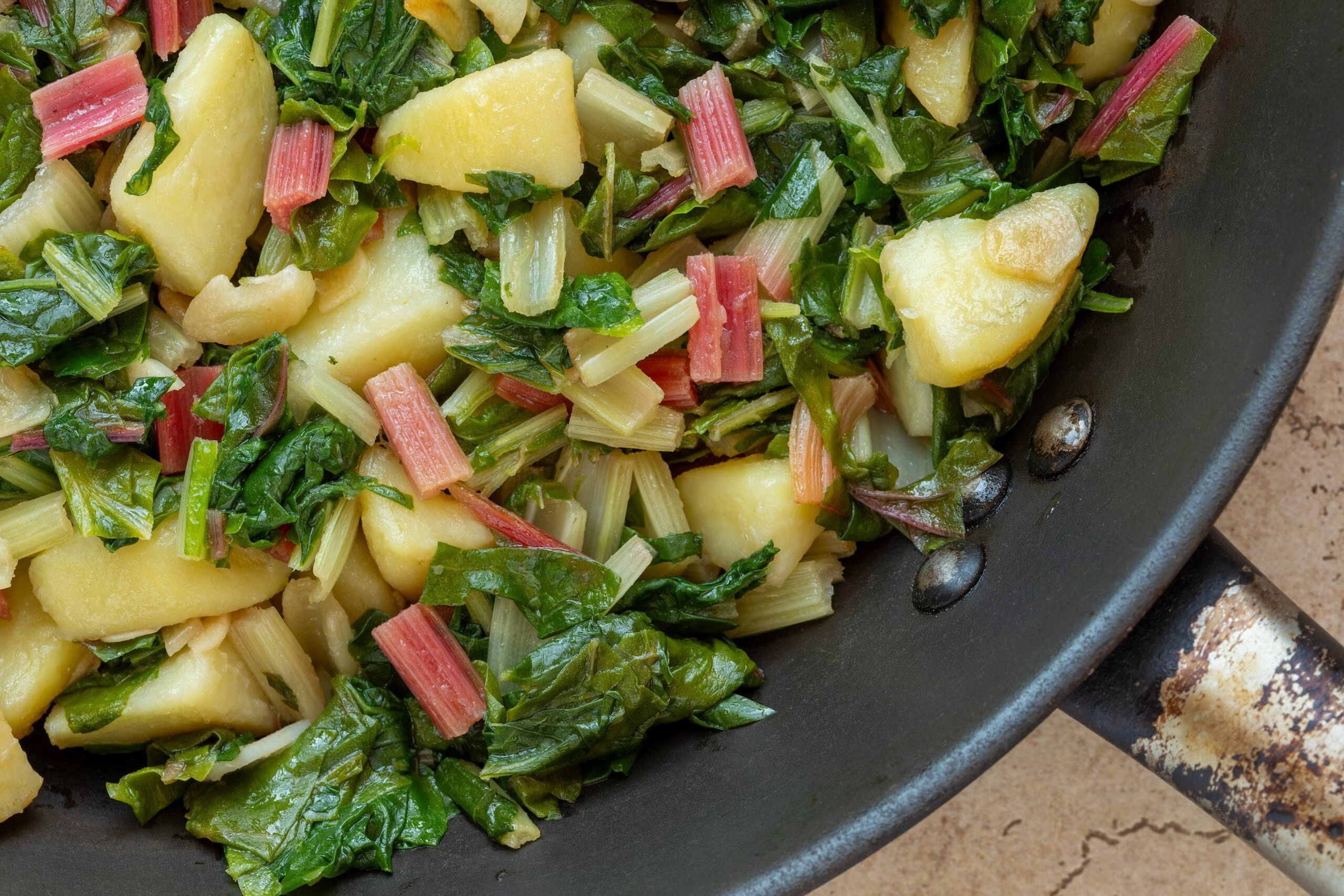
- The leaves can be used fresh in salads or cooked like spinach.
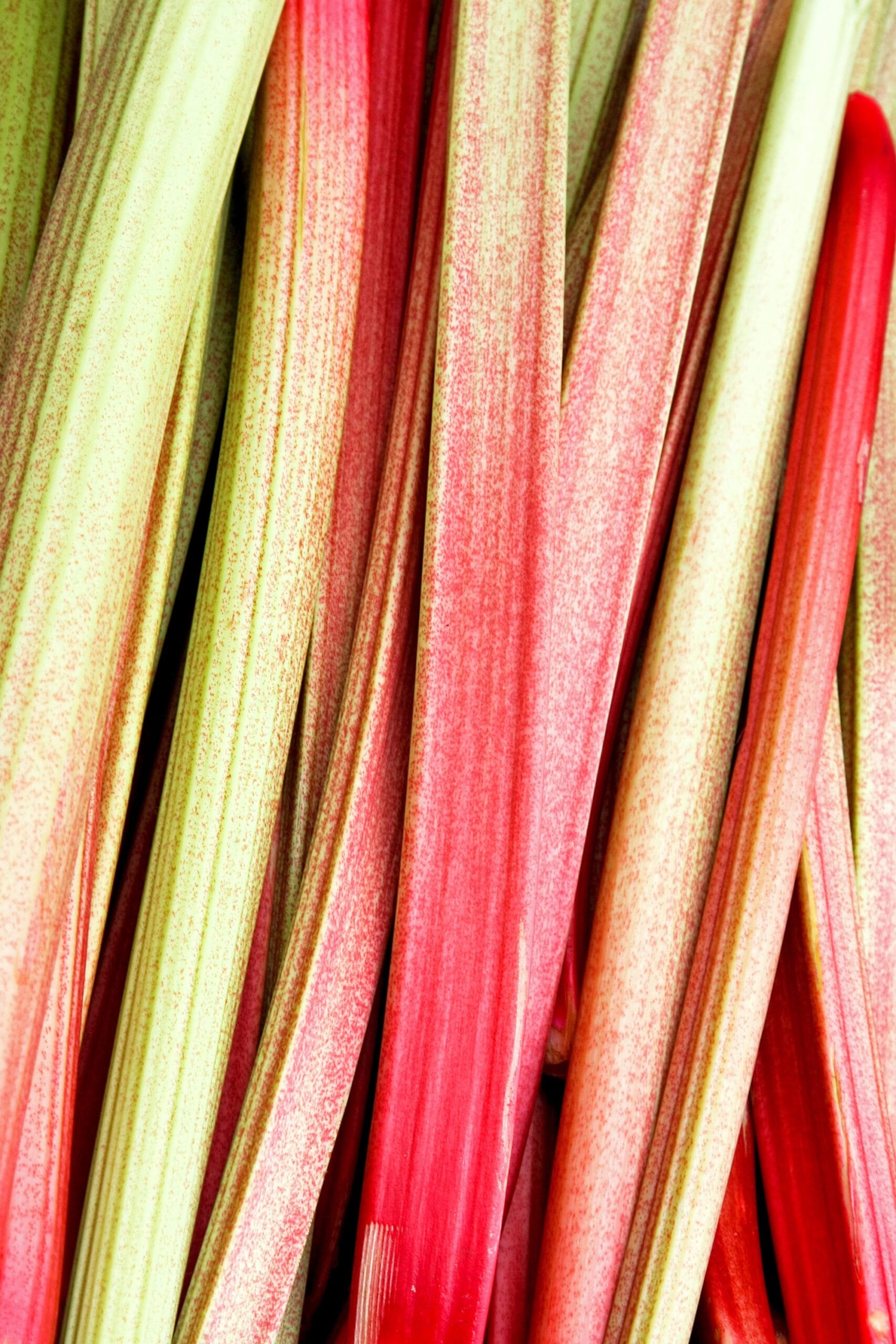
- The stalks are used in stews and risottos.
Common problems and solutions
| Problem | Possible cause | Solution |
| Yellow leaves | Nutrient deficiency | Add organic fertiliser or use smart soil |
| Weak growth | Overcrowded planting | Thin the plants |
| Damaged leaves | Slugs, caterpillars | Remove by hand, use natural repellents |
| Wilting | Lack of water | Keep the moisture even |
| Bitter taste | Older leaves | Pick young leaves for a milder flavour |
The difference between red and regular chard
- Red chard (Rhubarb chard): red stalks and veins, richer in antioxidants, decorative and nutritious.
- Regular chard (Beta vulgaris): green stalks, milder flavour, more common in traditional cooking.
How to store red chard
- In the fridge: keep fresh leaves in a plastic bag for 3–5 days.
- Freezing: wash, blanch and freeze the leaves.
- Best used fresh: as it quickly loses its crispness and aroma.
Conclusion
Red chard (Rhubarb chard) is not just an attractive plant but also a nutrient-rich food. It brings colour and health to the table, and with the SIMPLY and AURELIA smart gardens you can grow it all year round – fresh, crisp and ready for any meal.