







What is lamb’s lettuce, what is it good for and how do you grow it at home?
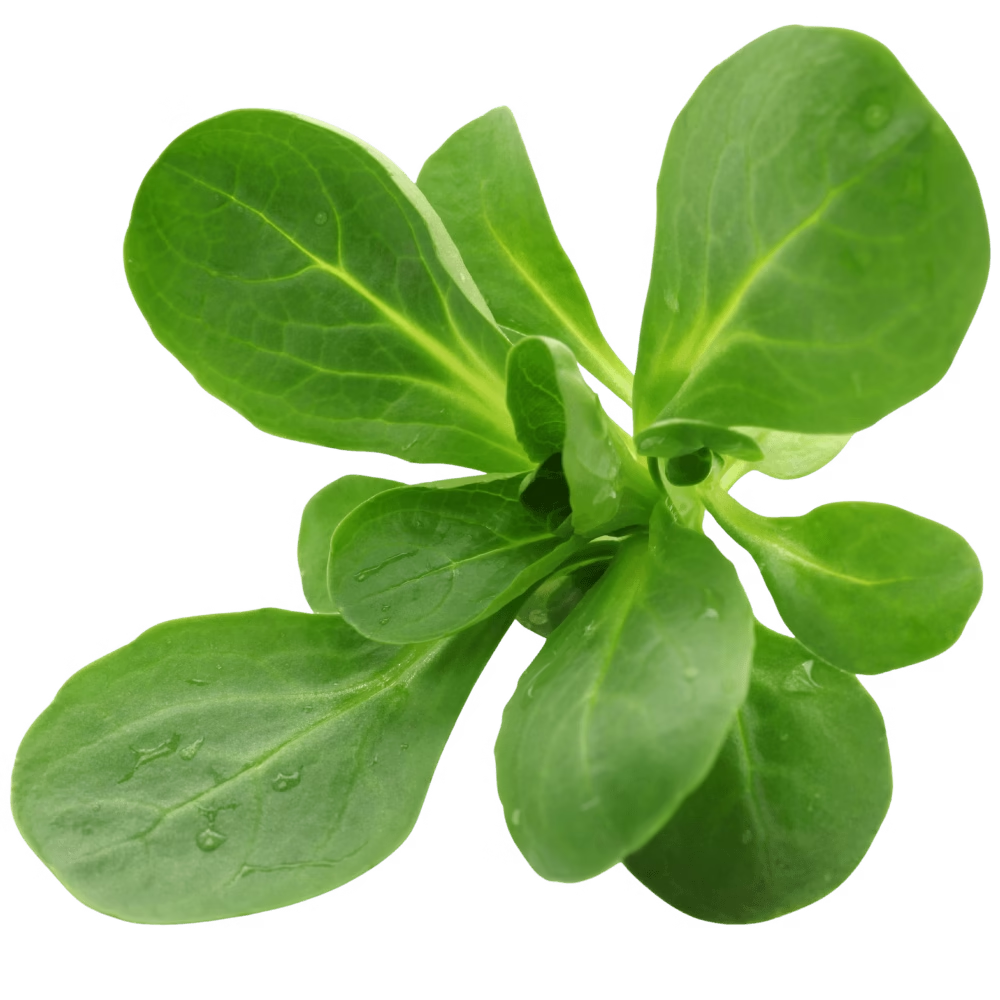
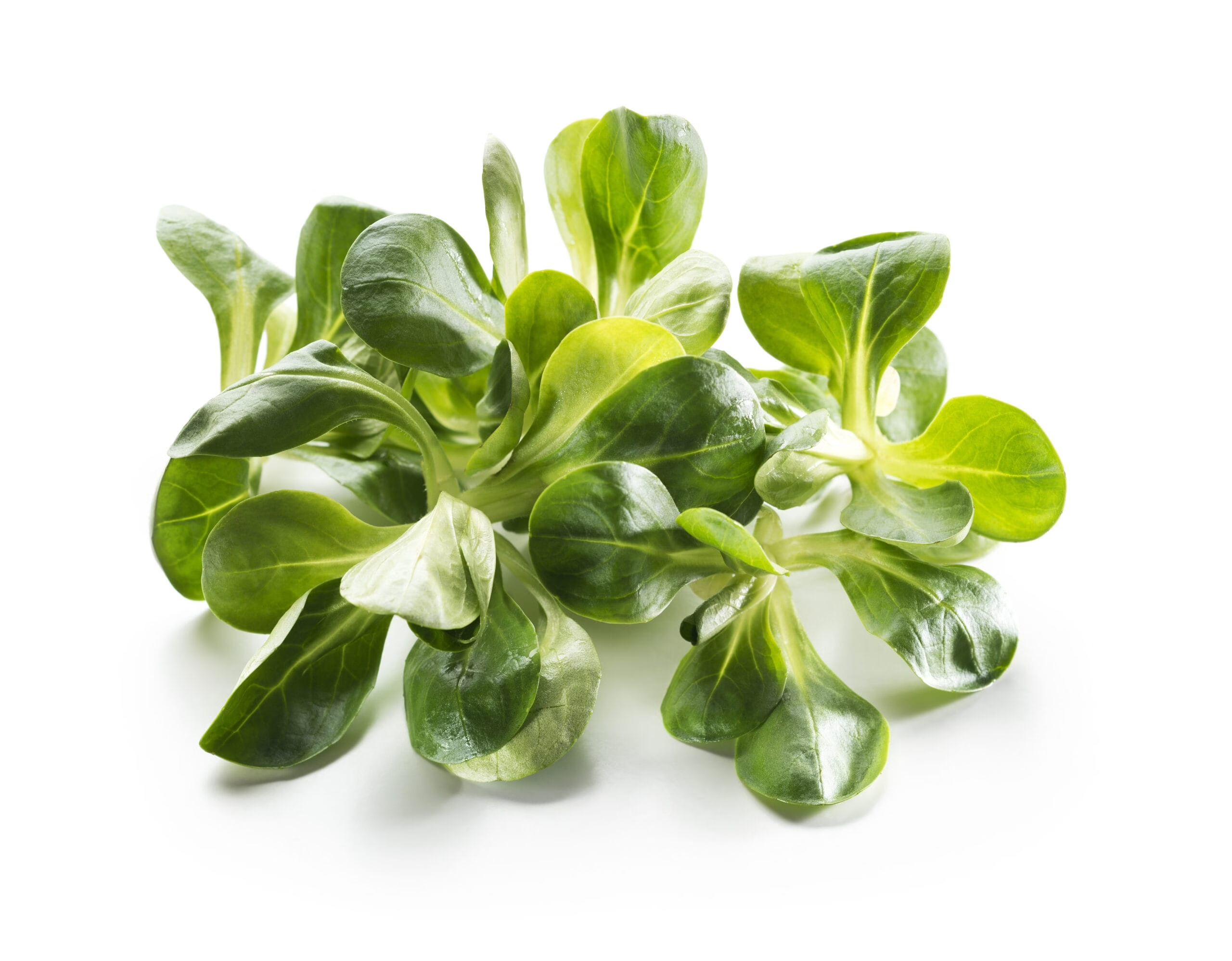
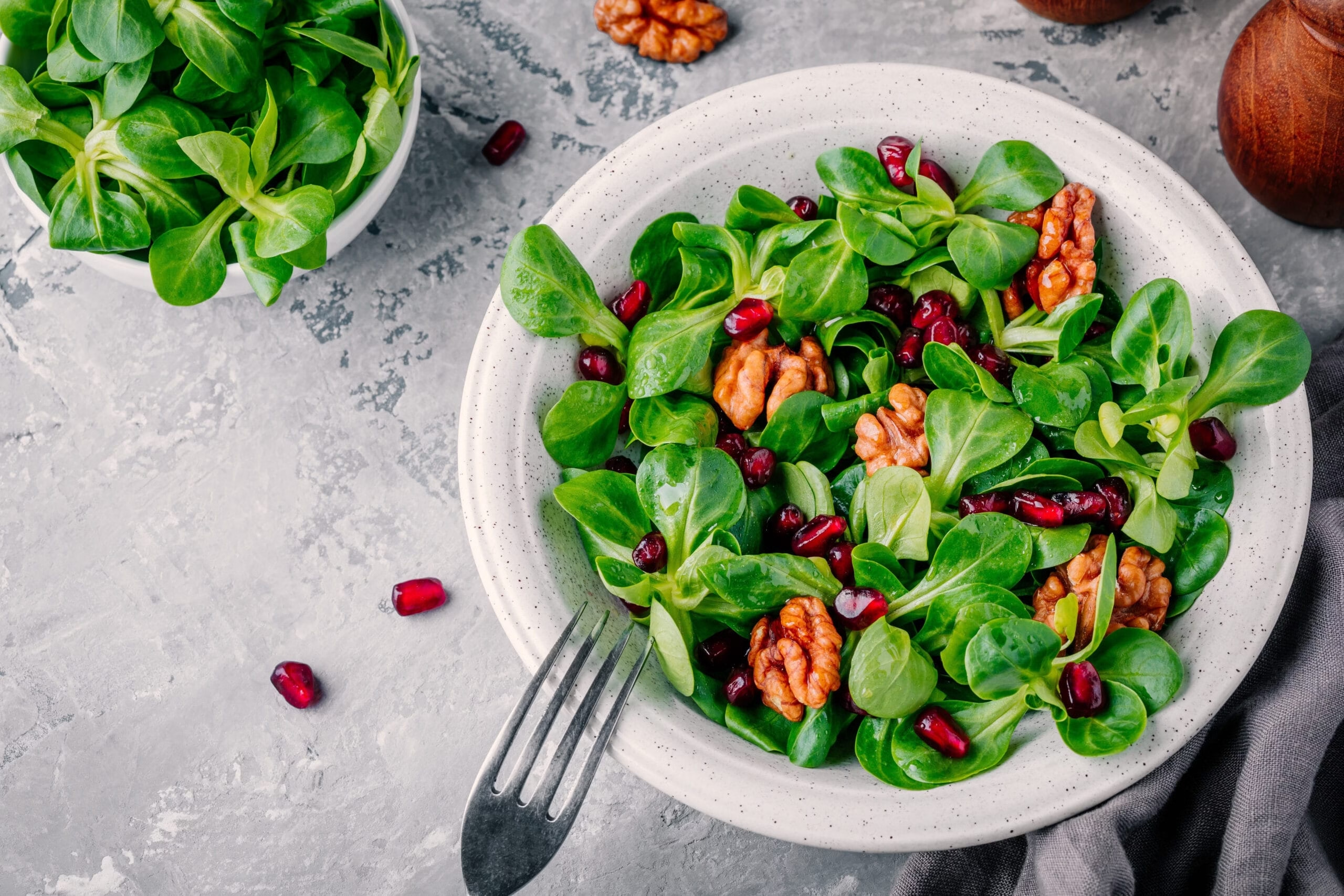
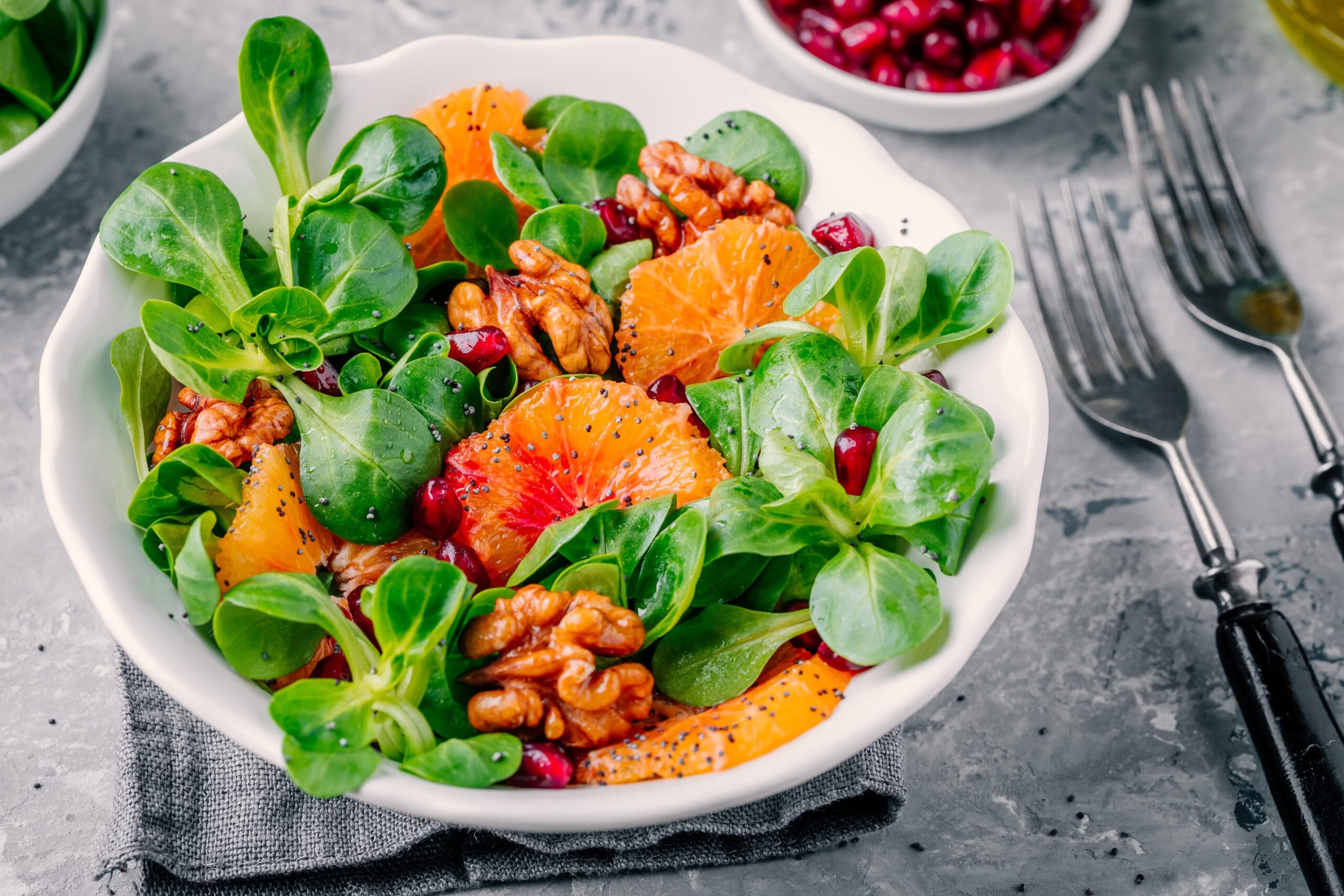
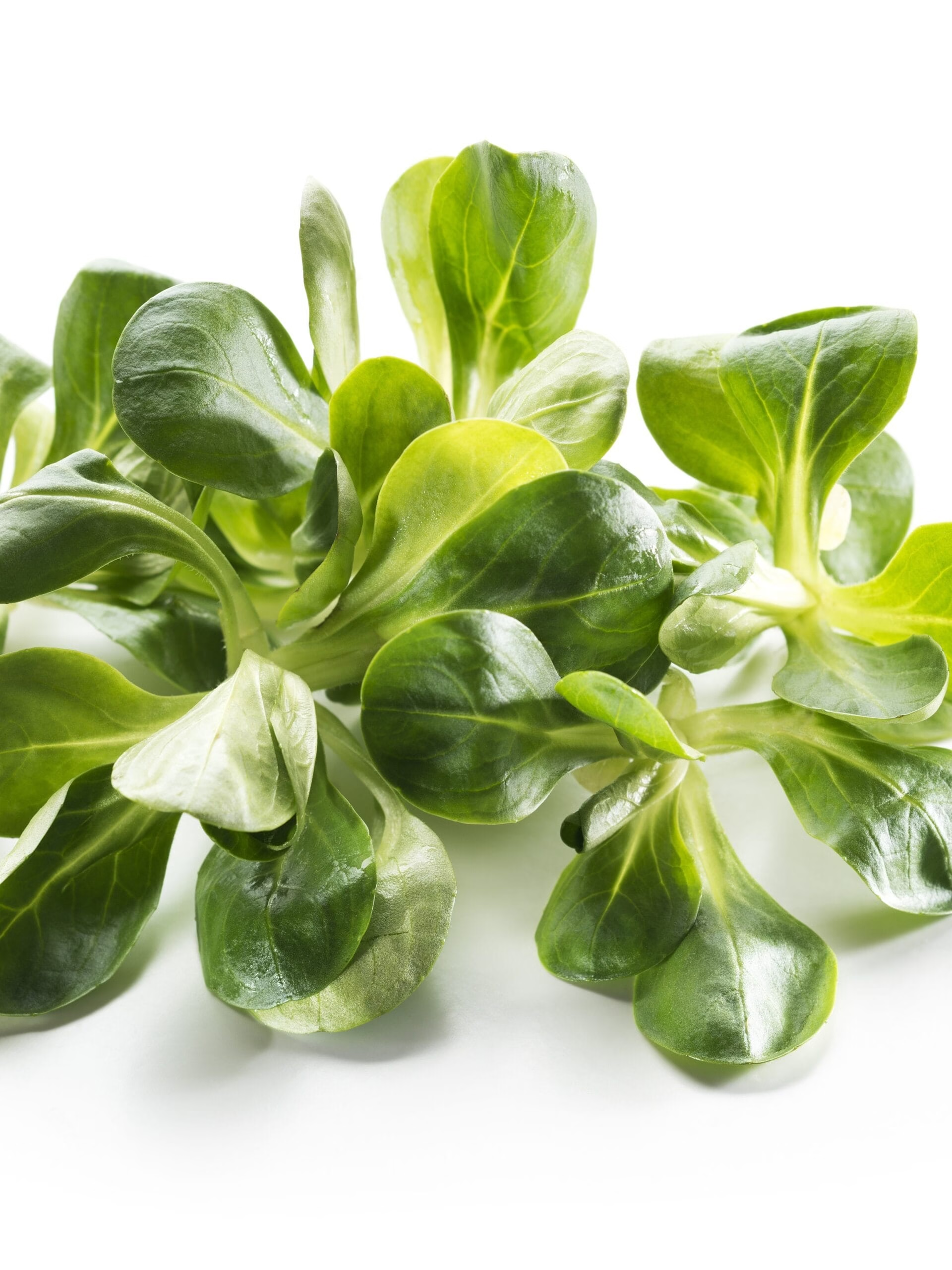
Lamb’s lettuce (Valerianella locusta) is also known as corn salad or winter lettuce. It is a nutrient-rich, low-calorie leafy vegetable most often used in salads. Its tender leaves have a mild, nutty flavour and are especially popular during the winter months, as the plant copes well with the cold.
Lamb’s lettuce is an excellent source of vitamins C, A and K, folic acid, iron and omega-3 fatty acids. That is why it is often recommended for strengthening immunity, supporting heart health and as natural support against anaemia.
Quick facts
- Germination time: 10–20 days
- Germination temperature: 10–18 °C
- Time to harvest: 60–80 days
- Primary effects: immune support, heart health, anaemia prevention
- Vitamins/minerals: A, C, K, folic acid, iron, omega-3 fatty acids
- Effects on the body: boosts circulation, improves the blood count, contributes to bone health
Growing lamb’s lettuce at home
Lamb’s lettuce is one of the most rewarding plants to grow, as it thrives even at lower temperatures. It can be planted in the garden, on the balcony or indoors all year round. It does best in the cooler months, from autumn to spring.
In smart gardens like SIMPLY and AURELIA, growing lamb’s lettuce is easy – automatic watering and optimal lighting ensure a constant supply of fresh leaves whatever the season.
Planting lamb’s lettuce from seed
- Sow the seeds shallowly (0.5 cm) in a loose growing medium or use smart soil pods with seeds.
- Keep the soil moist, but avoid standing water.
- Germination can take up to 3 weeks, so be patient.
- Once the seedlings emerge, thin the plants so they have enough room to grow.
Growing in Simply and Aurelia smart gardens
Our smart gardens let you grow lamb’s lettuce with no watering, transplanting or special care. That means you can enjoy fresh, crisp leaves rich in iron and omega-3 fatty acids all year round – even in winter.
How to harvest lamb’s lettuce so it keeps growing
- Cut the outer leaves or whole rosettes, leaving the young ones to keep growing.
- It is best harvested in the morning, when the leaves are richest in water and nutrients.
- Regular harvesting encourages new leaves to grow.
Common problems and solutions
| Problem | Possible cause | Solution |
| Slow germination | Low temperatures or old seed | Use fresh seed and wait patiently |
| Yellow leaves | Lack of nutrients | Add organic fertiliser or use smart soil pods |
| Overly bitter taste | Too much heat or older leaves | Pick younger leaves, grow in a cooler period |
| Pests | Slugs, aphids | Use natural repellents, protect the pots |
| Mould | Too much moisture | Improve ventilation, avoid watering from above |
The difference between lamb’s lettuce and other salad greens
- Lamb’s lettuce (Valerianella locusta): tender leaves, nutty flavour, rich in iron and omega-3.
- Green lettuce (Lactuca sativa): faster growth, larger leaves, less nutrient-dense.
- Endive (Cichorium endivia): more intense, more bitter flavour, well suited to winter salads.
How to store lamb’s lettuce
- In the fridge: keep it washed and well dried in a sealed container, for up to 5 days.
- Do not freeze: the leaves lose their structure and turn mushy.
- Prepare straight after harvest: it tastes best fresh, right after picking.
Conclusion
Lamb’s lettuce is a true winter superfood – light, nourishing and rich in iron and omega-3 fatty acids. It is ideal for salads, smoothies and as an addition to warm dishes. With SIMPLY and AURELIA smart gardens, you can grow it fresh and stress-free all year round.