
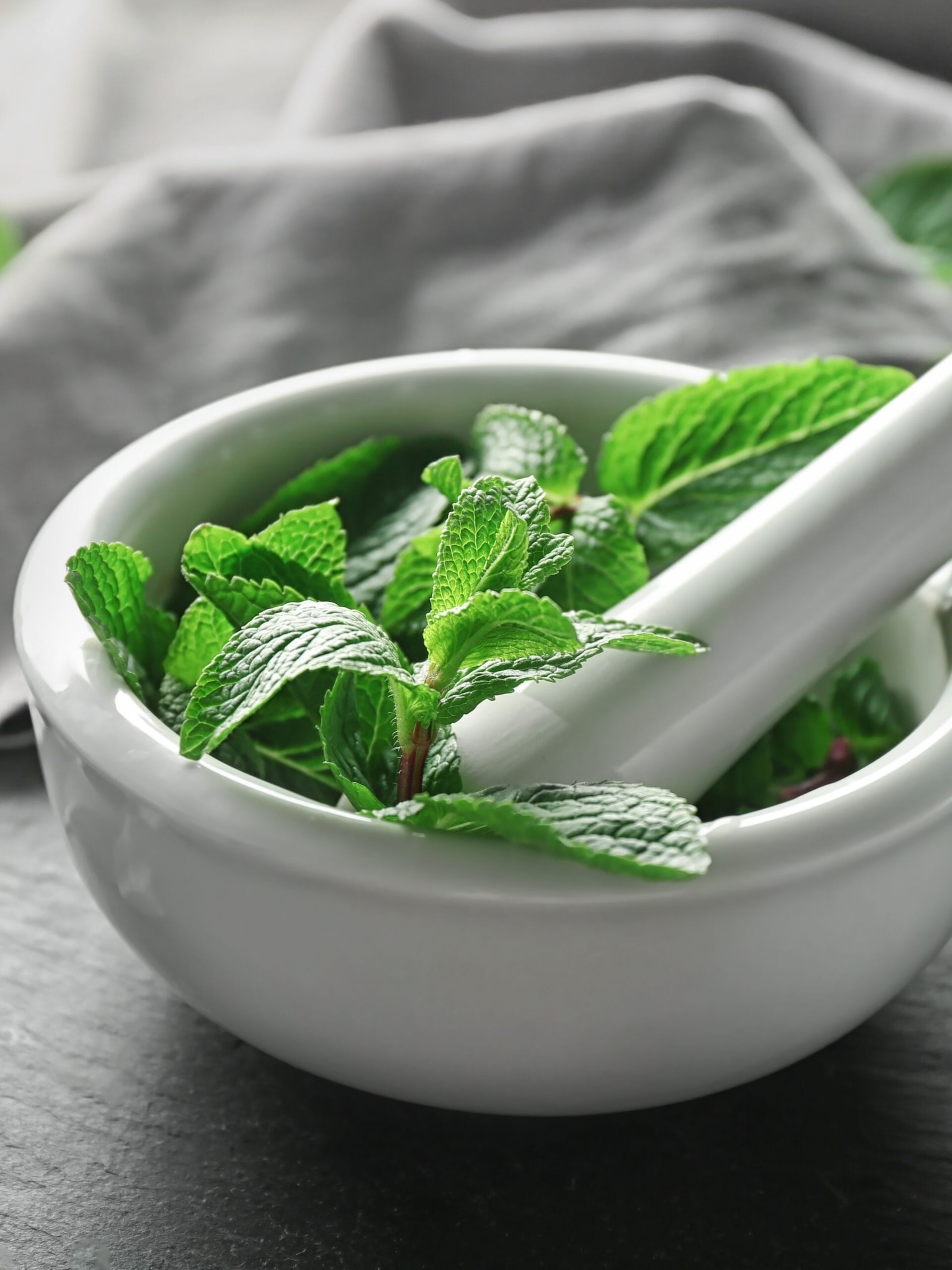





What is lemon balm, what is it good for and how do you grow it at home?
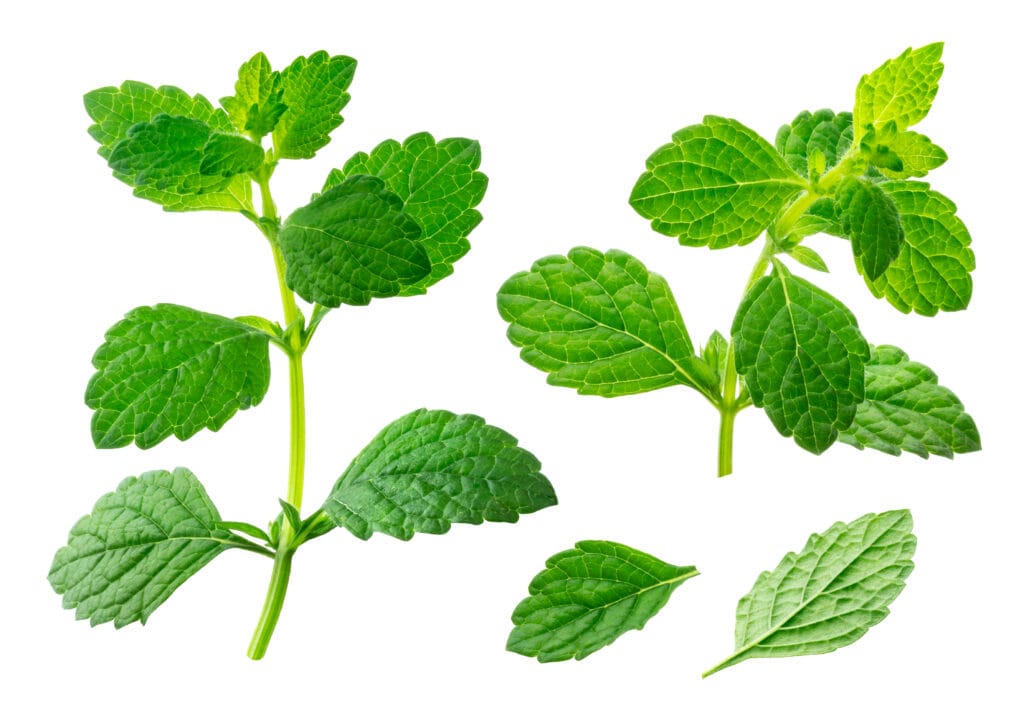
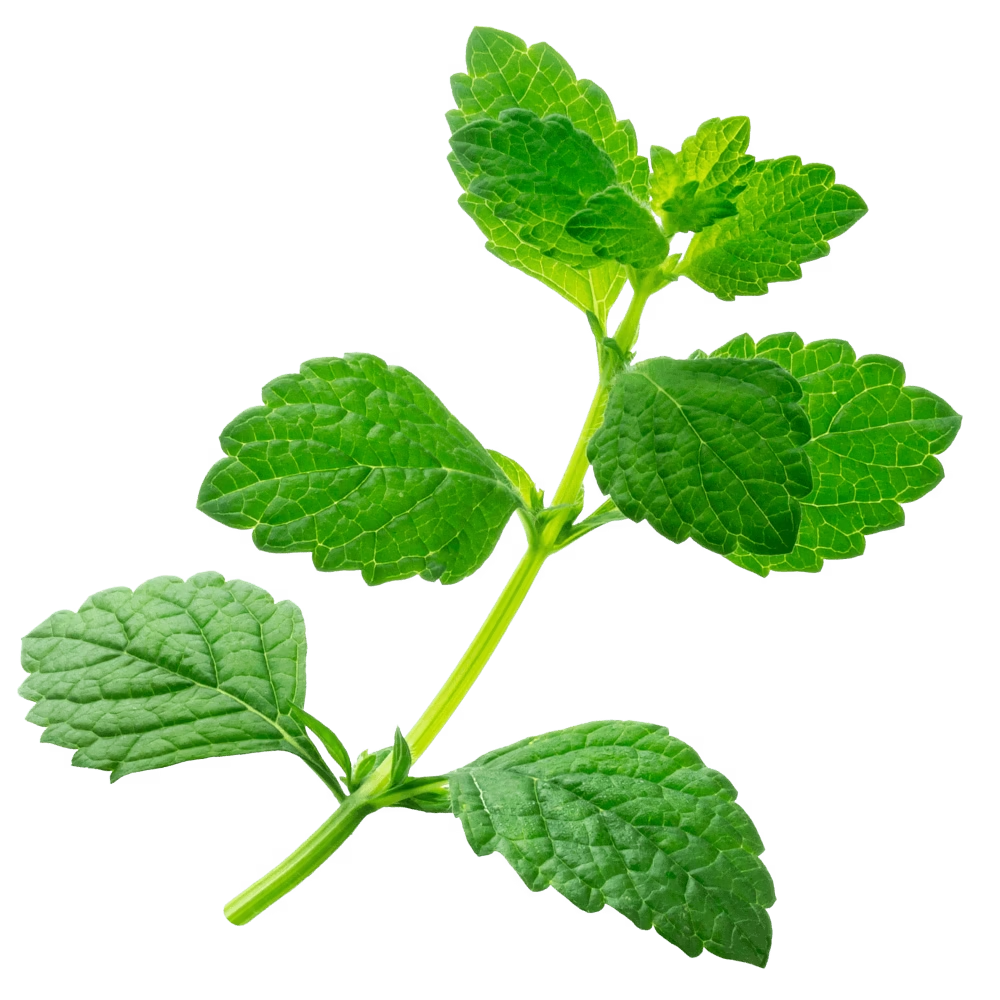
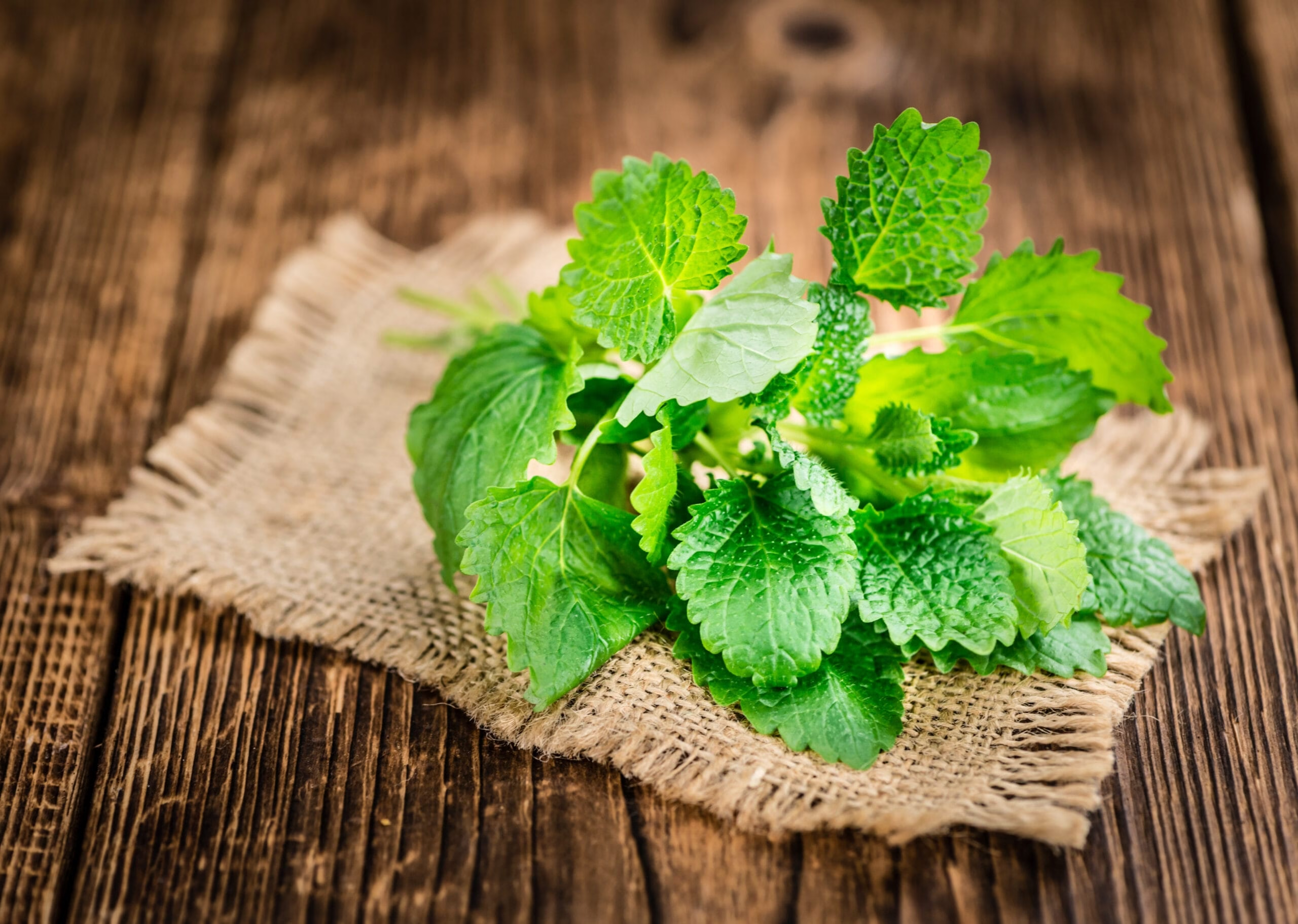
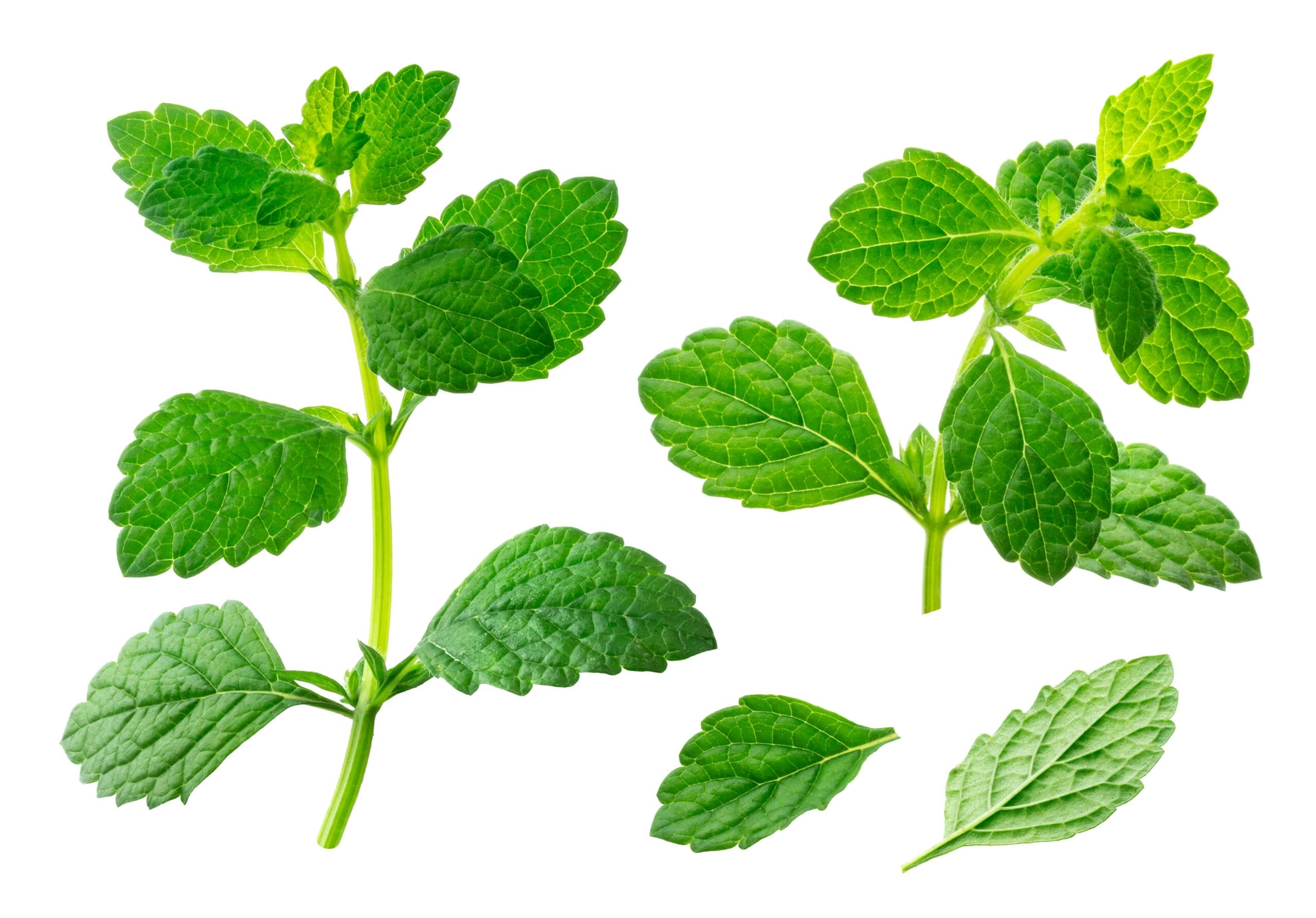
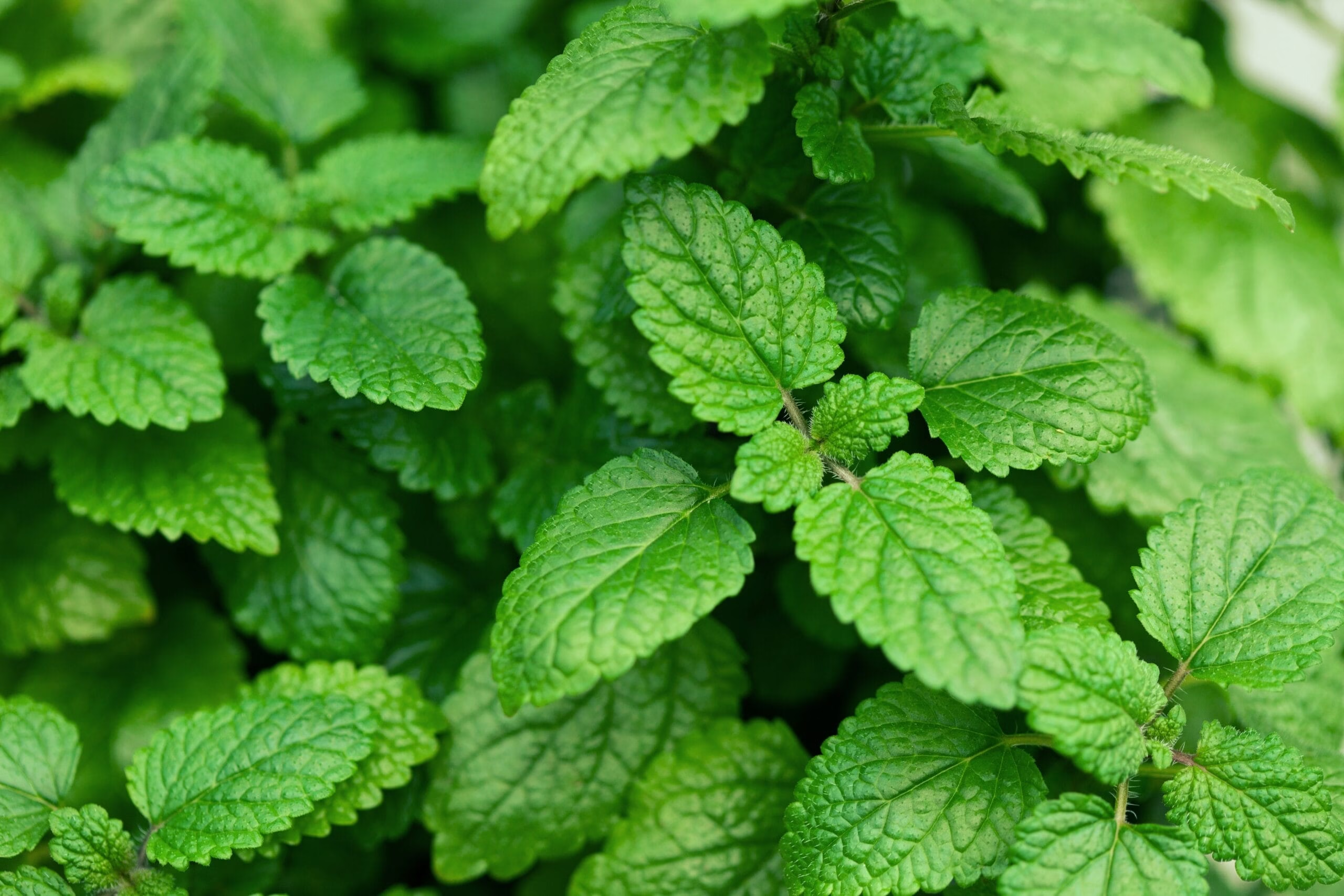
Lemon balm (Melissa officinalis) is also known as balm mint or common balm thanks to its mild citrus aroma. It has been used in folk medicine for centuries, and today it is especially valued in the world of wellbeing and longevity.
Lemon balm is rich in essential oils (citral, citronellal), flavonoids and polyphenols, which give it powerful calming, antioxidant and antibacterial properties. It is best known for reducing stress, easing insomnia and lifting the mood.
Quick facts
- Germination time: 10–14 days
- Germination temperature: 18–24 °C
- Time to harvest: 70–90 days
- Primary effects: calming, antioxidant, antibacterial
- Vitamins/minerals: A, C, manganese, calcium
- Effect on the body: reduces stress, improves sleep, supports immunity
Growing lemon balm at home
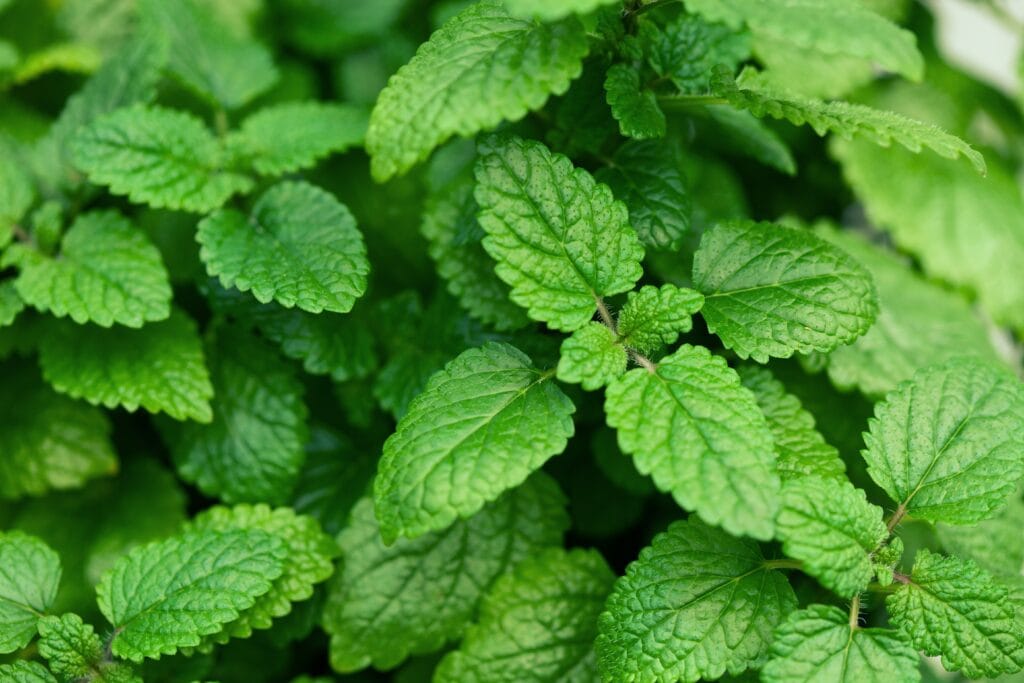
Lemon balm can be grown in the garden, on a balcony or indoors. It likes sunny to semi-shaded spots and moderate watering. In smart gardens and smart planters such as SIMPLY and AURELIA, growing is far simpler because the plant constantly receives the optimal amount of light and moisture.
Planting lemon balm from seed
- Sow the seeds shallowly (0.5 cm) in a light, well-draining growing medium or in smart soil with seeds.
- Keep it constantly moist, but avoid too much water.
- The first leaves appear within 1–2 weeks.
- In smart gardens it grows with no need to worry about watering.
Growing in the Simply and Aurelia smart gardens
Our smart gardens let lemon balm grow without stress, transplanting or daily care. Thanks to automatic light and water regulation, you can have fresh lemon balm leaves for tea or home preparations – all year round.
How to harvest lemon balm so it keeps growing
- Regularly pinch off the top leaves and young tips.
- Do not harvest whole stems – leave the plant enough leaves to regenerate.
- The aroma and essential oil content are at their peak in the morning, before strong sun.
Common problems and solutions
| Problem | Possible cause | Solution |
| Weak growth | Too little sun or overcrowding | Move the plant, thin out the planting |
| Yellow leaves | Too much moisture or a lack of nutrients | Reduce watering, add organic fertiliser |
| Dry leaves | Too little water | Water regularly or use smart soil |
| Pests | Aphids, whiteflies | Remove by hand, use natural repellents |
| Mould | Too much moisture, poor ventilation | Improve airflow and reduce moisture |
The difference between lemon balm and similar plants
- Lemon balm (Melissa officinalis): citrus aroma, calming effect.
- Mint (Mentha suaveolens): stronger menthol flavour, refreshing and stimulating.
- Lemongrass (Cymbopogon citratus): more intense citrus aroma, more often used in Asian cooking.
How to store lemon balm
- Fresh stems in water: can last several days.
- Freezing: chop and store in bags or in ice cubes.
- Drying: dry in the shade and keep in glass jars.
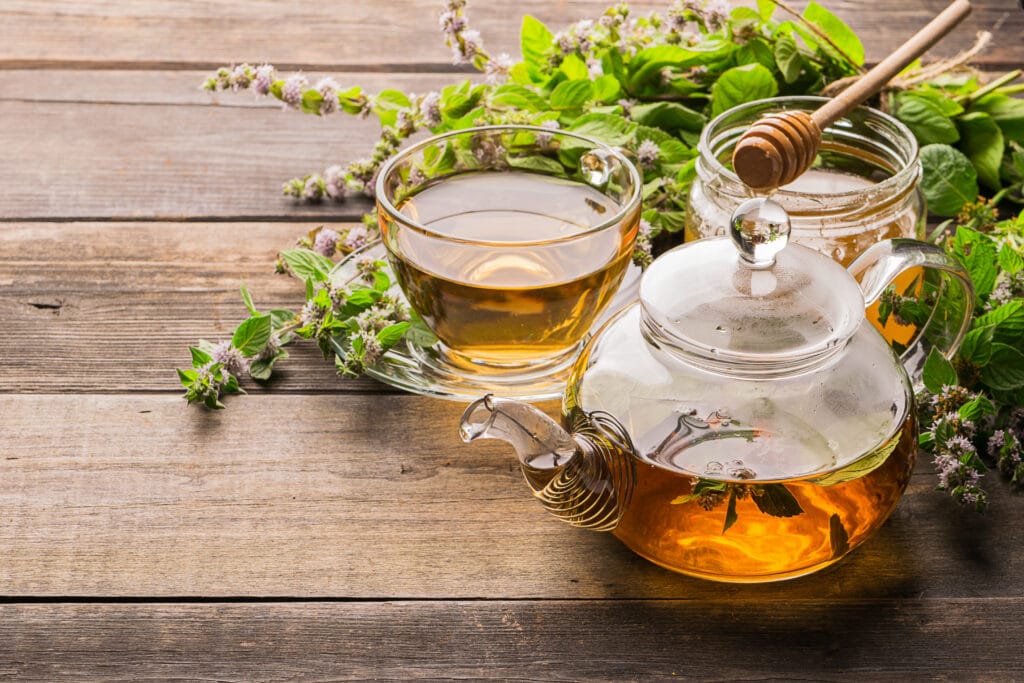
- Tincture or syrup: lemon balm leaves can be made into preparations for longer use.
Conclusion
Lemon balm is a plant that brings together aroma, health and wellbeing. Whether you use it for a calming tea, as an addition to meals or to scent your home, lemon balm brings relaxation and freshness. With the SIMPLY and AURELIA smart gardens, you can have it to hand all year round – fresh and always ready.