













What is rosemary, what is it good for and how do you grow it at home?
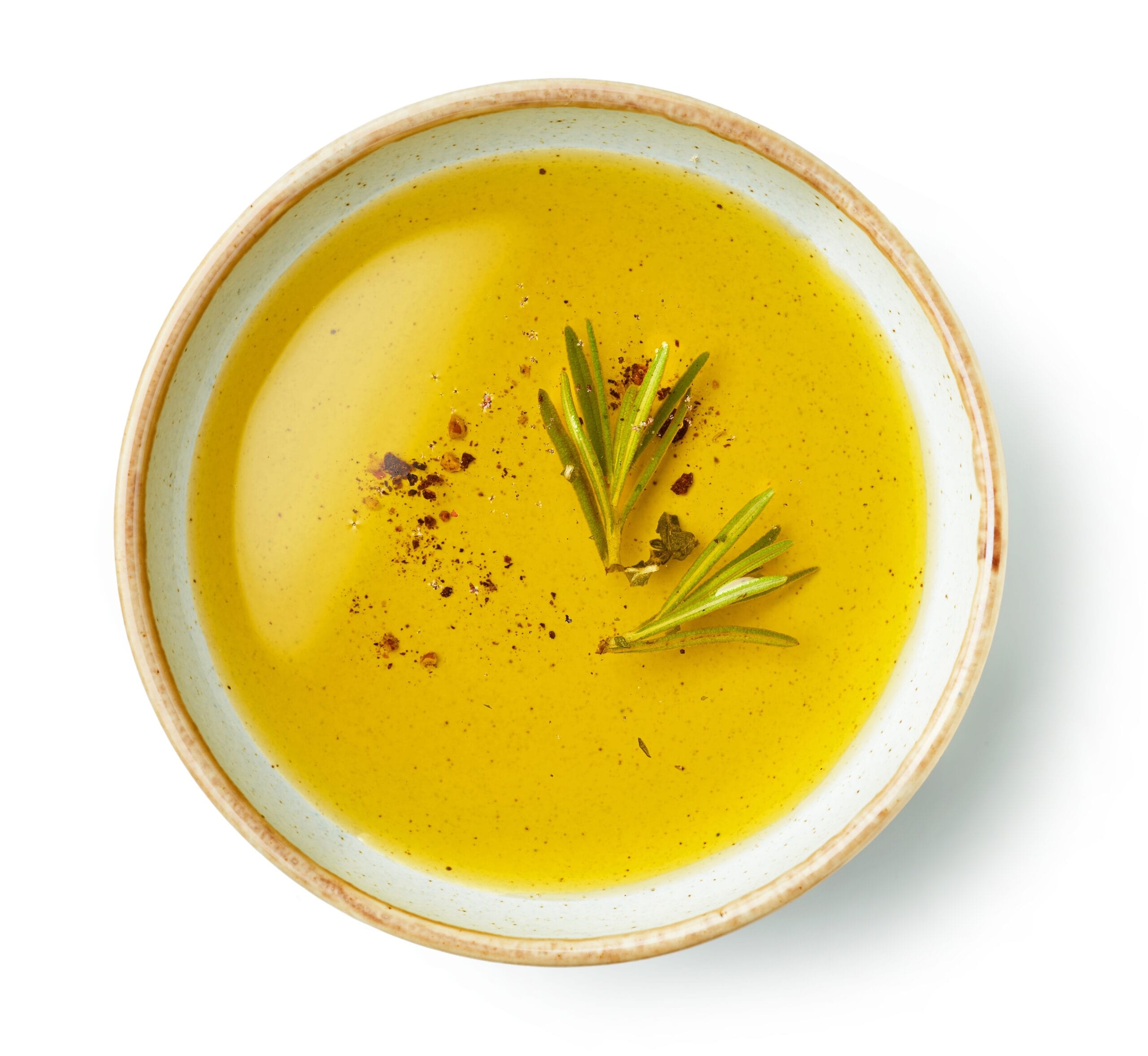
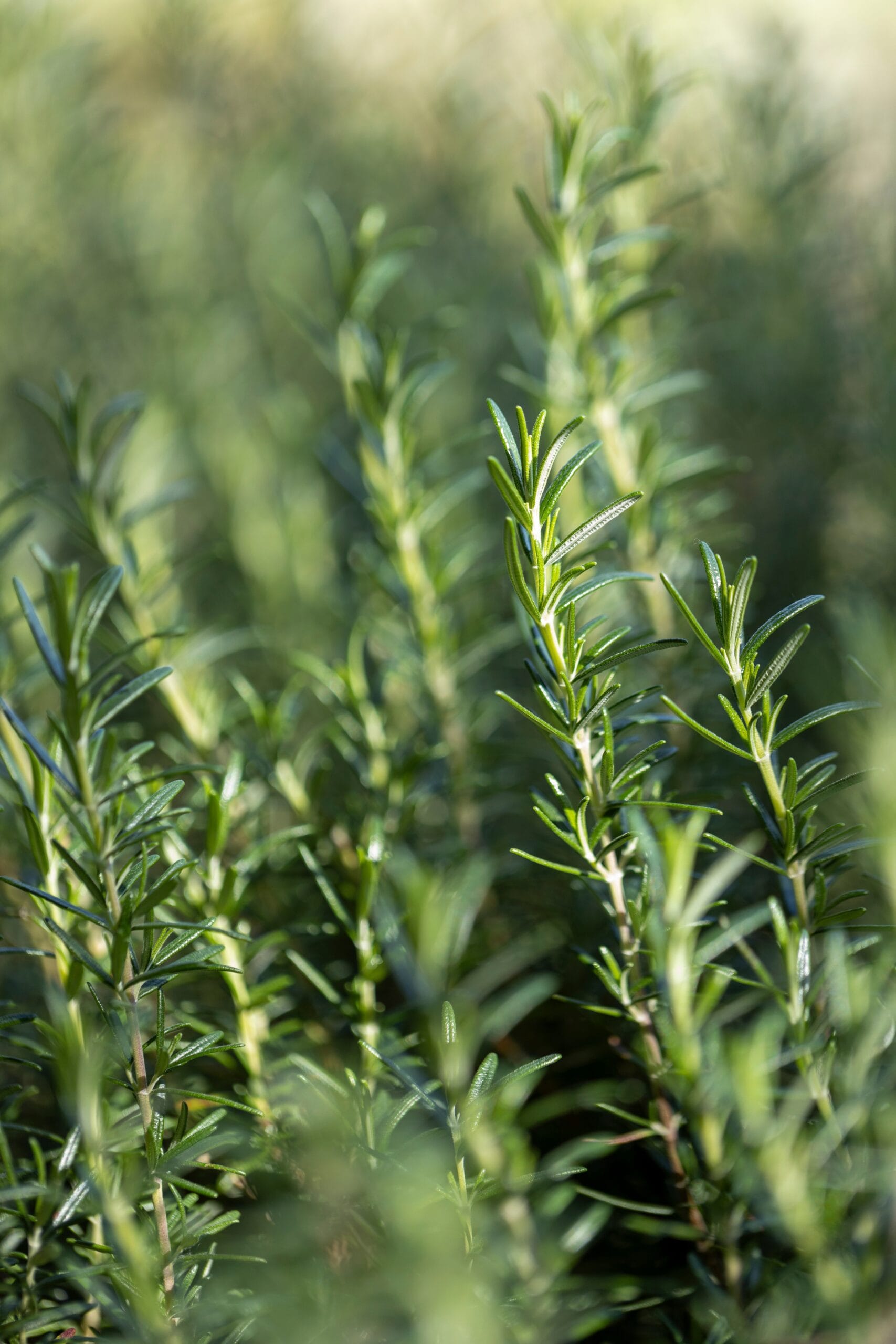
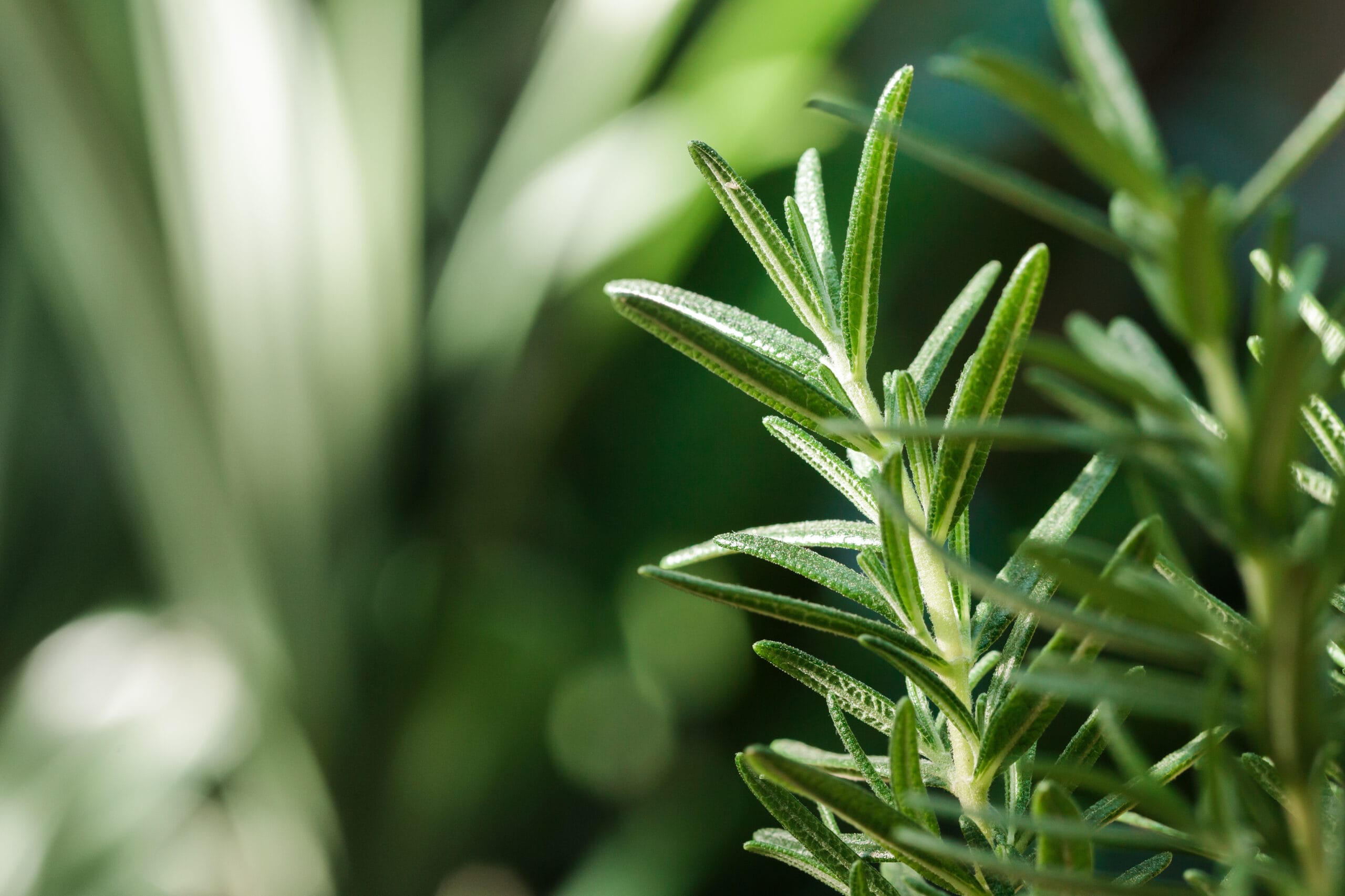
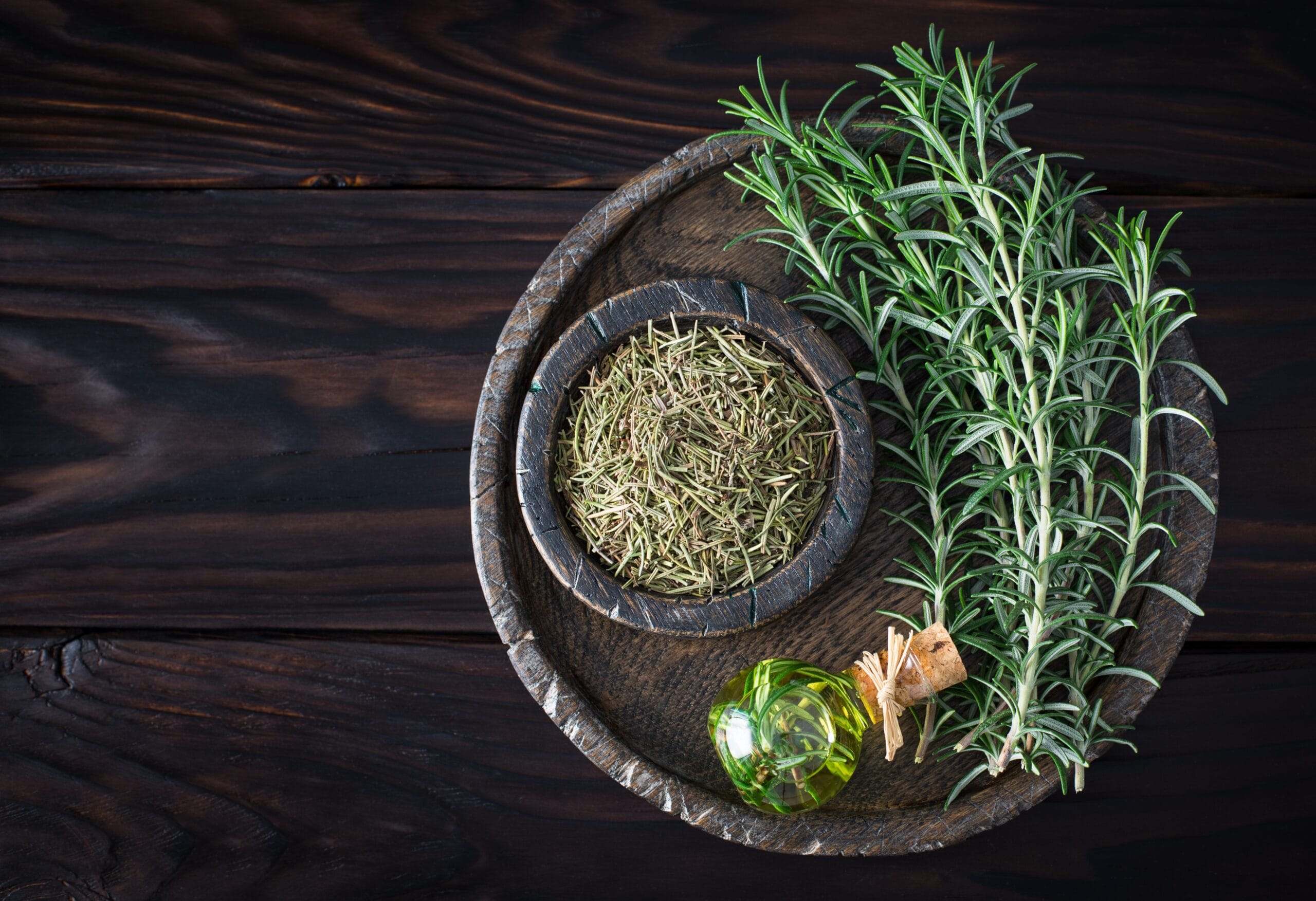
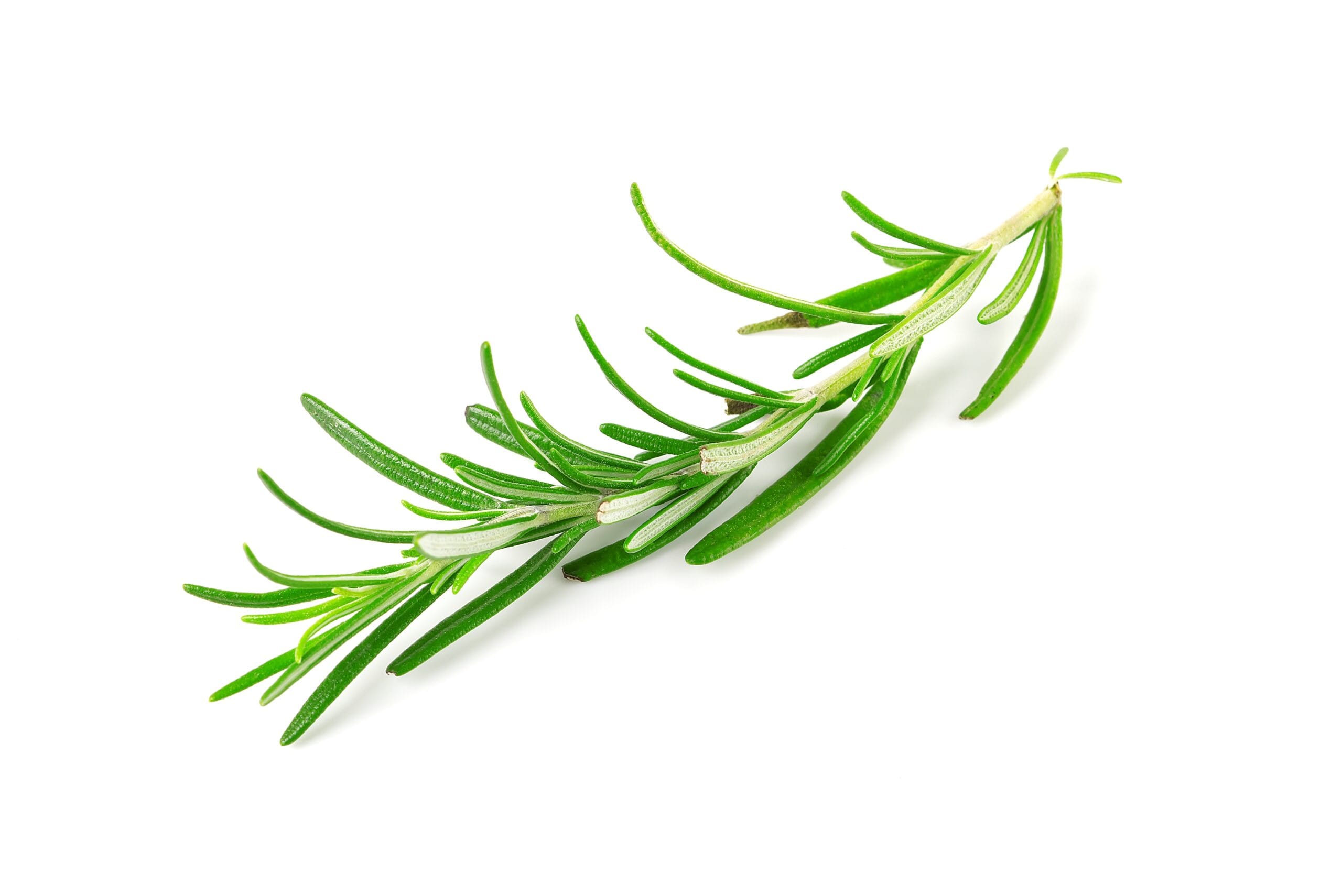
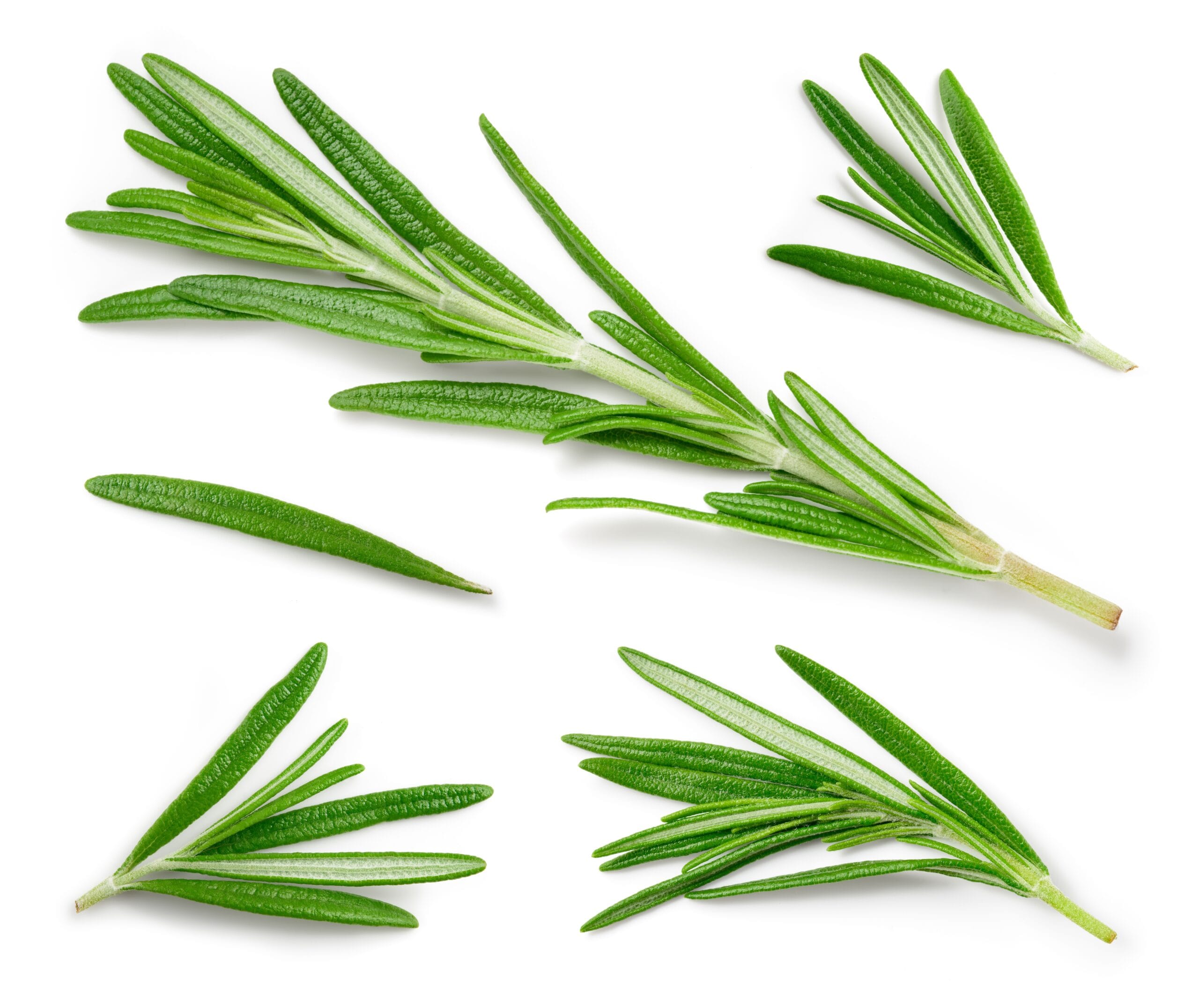
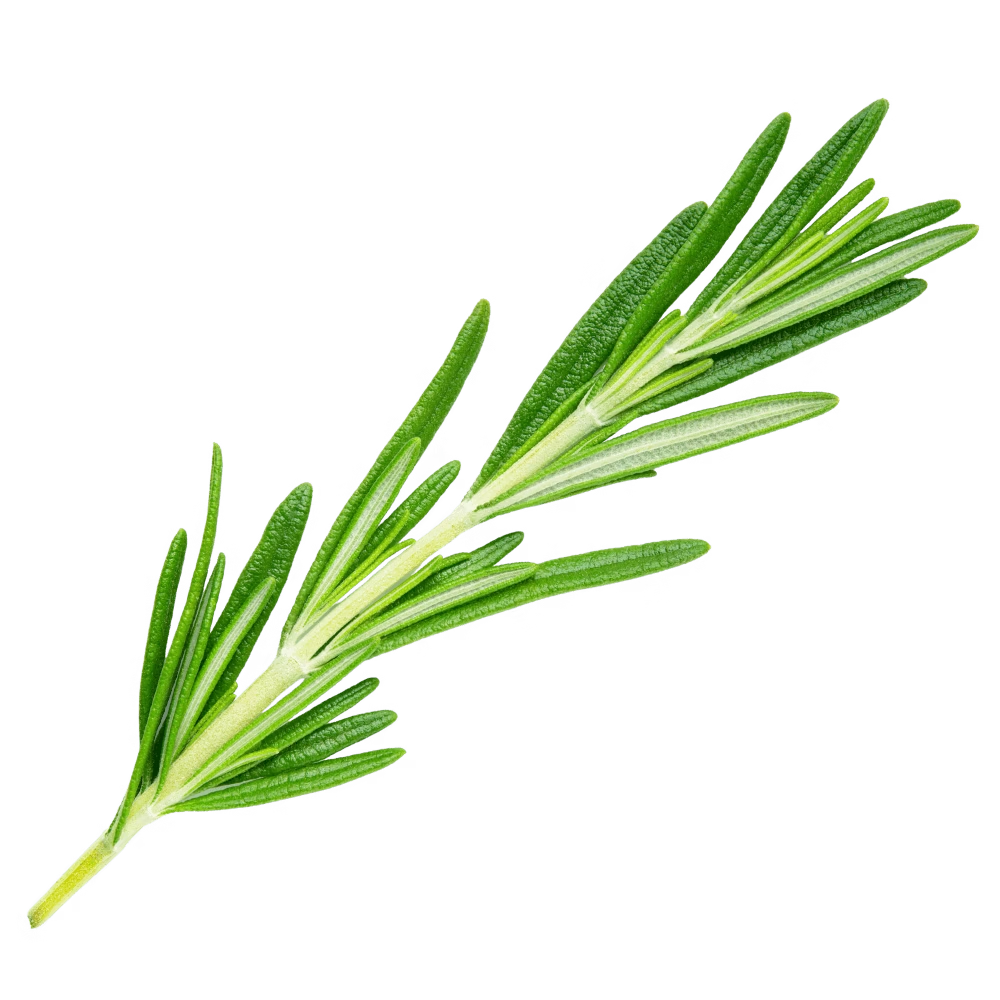
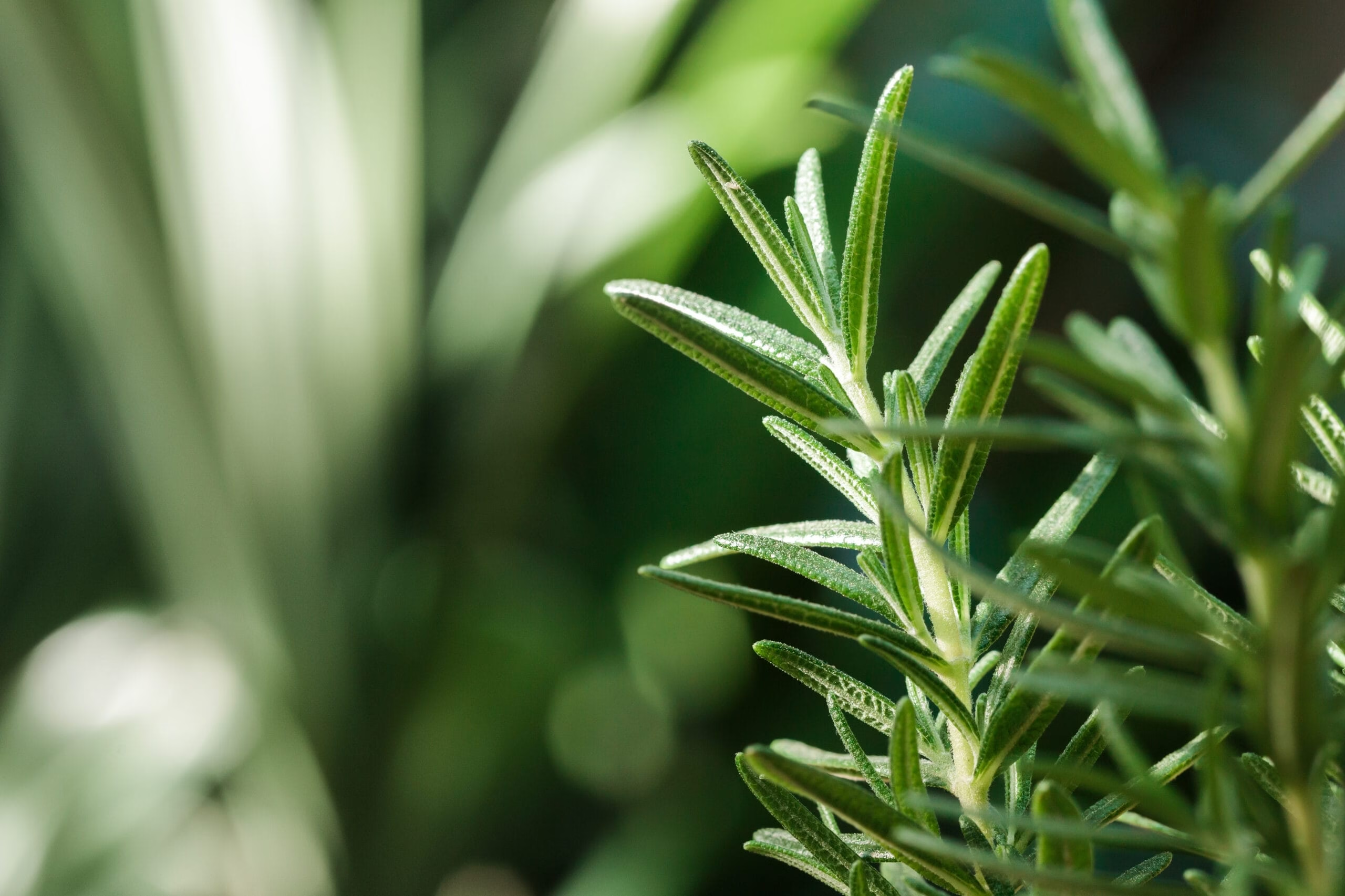
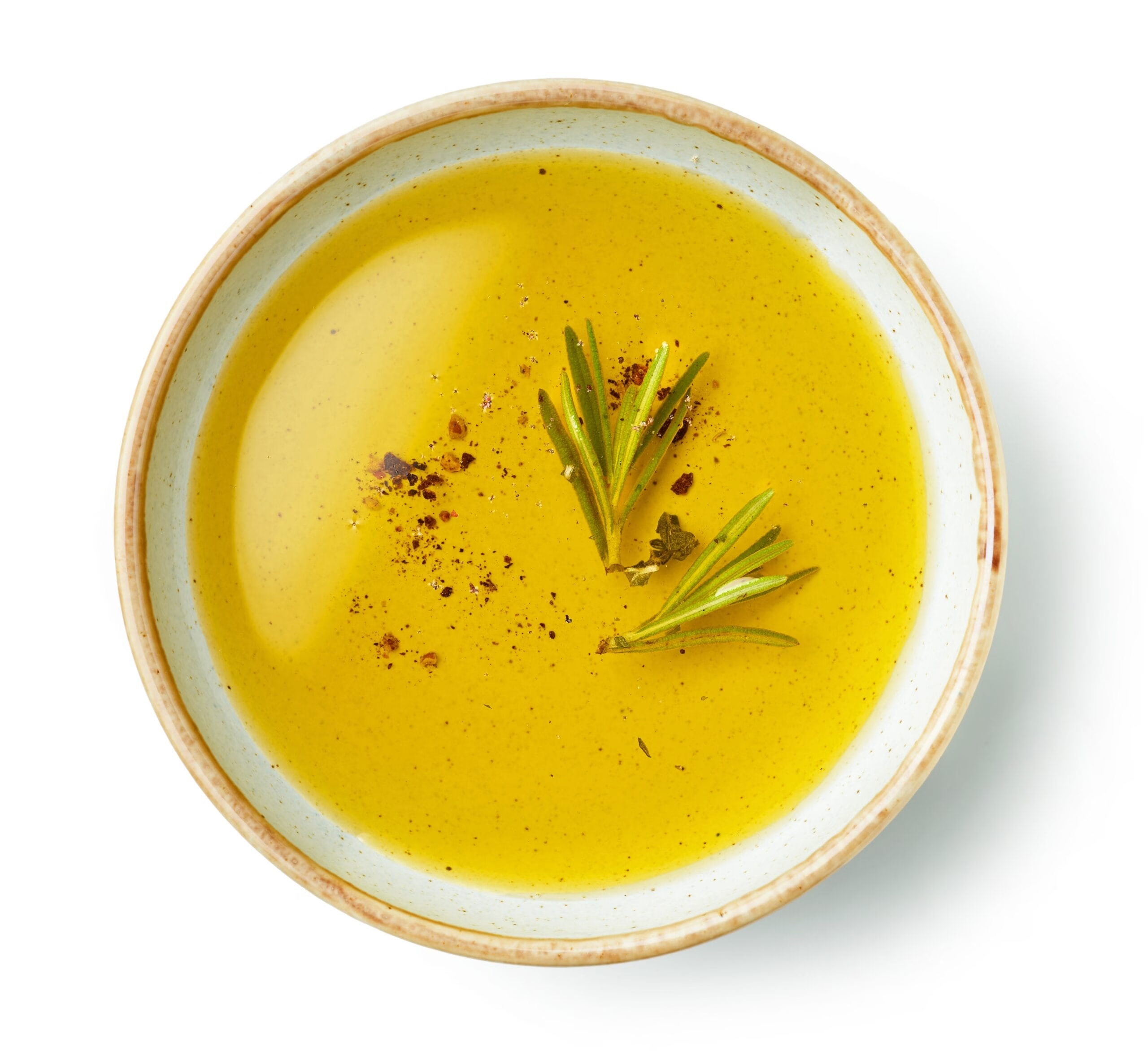
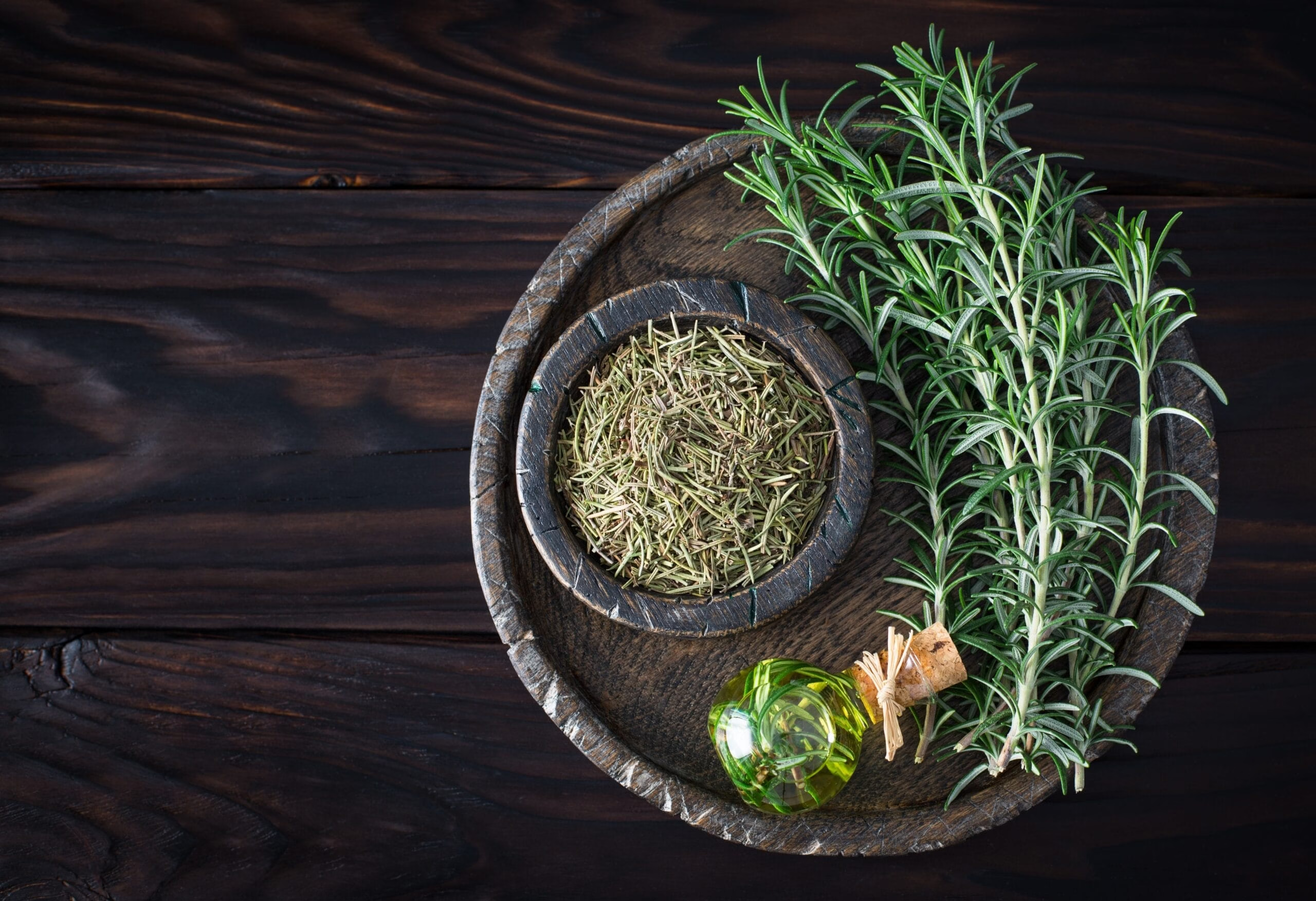
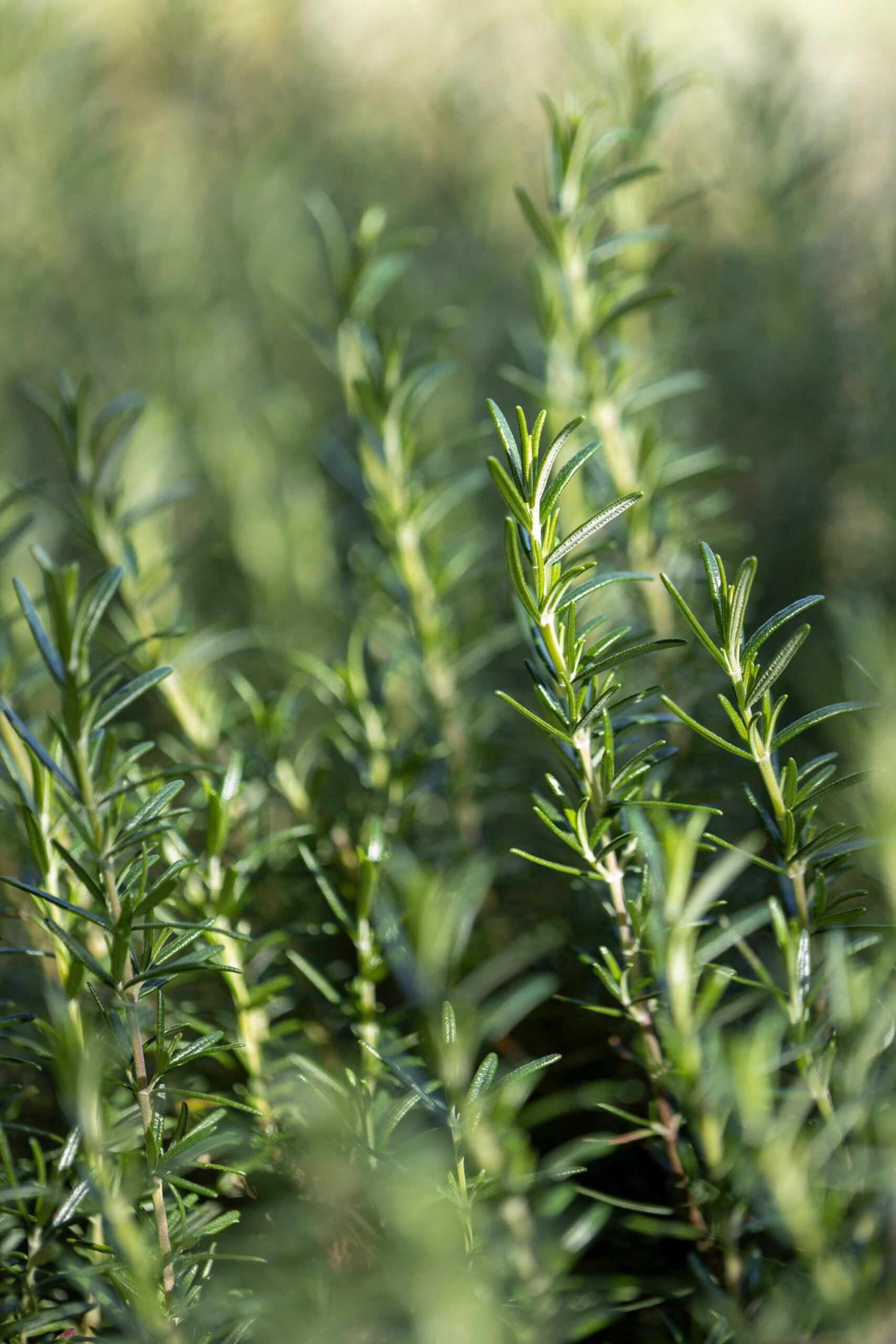
Rosemary (Rosmarinus officinalis) is a Mediterranean evergreen plant with needle-like leaves and an intense aroma. It is a favourite in the kitchen, used to season meat, potatoes, bread and olive oil, and is also valued in natural medicine for its healing properties.
Rosemary is rich in antioxidants and vitamins A, C and B6, as well as minerals such as calcium, iron and magnesium. Its essential oils (cineole, camphor, borneol) give it strong antibacterial, anti-inflammatory and stimulating effects.
Quick facts
- Germination time: 14–28 days
- Germination temperature: 20–25 °C
- Time to harvest: 80–100 days (young shoots earlier)
- Primary effect: antioxidant, antibacterial, stimulating
- Vitamins/minerals: A, C, B6, calcium, iron, magnesium, essential oils
- Effect on people: improves concentration and memory, boosts circulation, strengthens immunity
Growing rosemary at home
Rosemary loves sunny, warm spots and well-drained soil. It is very drought-tolerant and long-lived. It can be grown in the garden, on a balcony or in a container indoors.
In smart gardens such as SIMPLY and AURELIA, rosemary thrives stress-free – automatic watering and optimal light give it the conditions for lush growth all year round.
Planting rosemary from seed
- The seeds germinate slowly (14–28 days), so keep them constantly warm and moist.
- Sow shallowly, only lightly covered with growing medium.
- Once the plant grows stronger, provide plenty of light and enough space.
- In smart gardens, use smart soil with seeds for faster, easier growth.
Growing in SIMPLY and AURELIA smart gardens
Our smart gardens give rosemary perfect conditions with no worry – always optimal moisture and plenty of light. This means you can use fresh rosemary all year round – for cooking or natural preparations.
How to harvest rosemary so it keeps growing
- Cut young shoots 8–10 cm long – this encourages branching and new growth.
- The best aroma comes when the plant starts to flower.
- Harvest regularly, but never more than a third of the plant at once.
Common problems and solutions
| Problem | Possible cause | Solution |
| Weak growth | Too little light | Move to a sunny spot or use LED lighting |
| Yellow leaves | Too much moisture | Ensure drainage and reduce watering |
| Weak aroma | Lack of sun | Increase light exposure |
| Pests | Aphids, mites | Remove by hand, use natural repellents |
| Wilting | Dry air | Mist the leaves lightly, maintain humidity |
The difference between rosemary and lavender
- Rosemary (Rosmarinus officinalis): a culinary and medicinal herb, stimulates the body and is used in cooking.
- Lavender (Lavandula angustifolia): primarily an ornamental and aromatic plant, calming and used for relaxation.
How to store rosemary
- Fresh: keep sprigs in a glass of water or in the fridge wrapped in a damp cloth.
- Freezing: you can freeze sprigs or leaves whole.
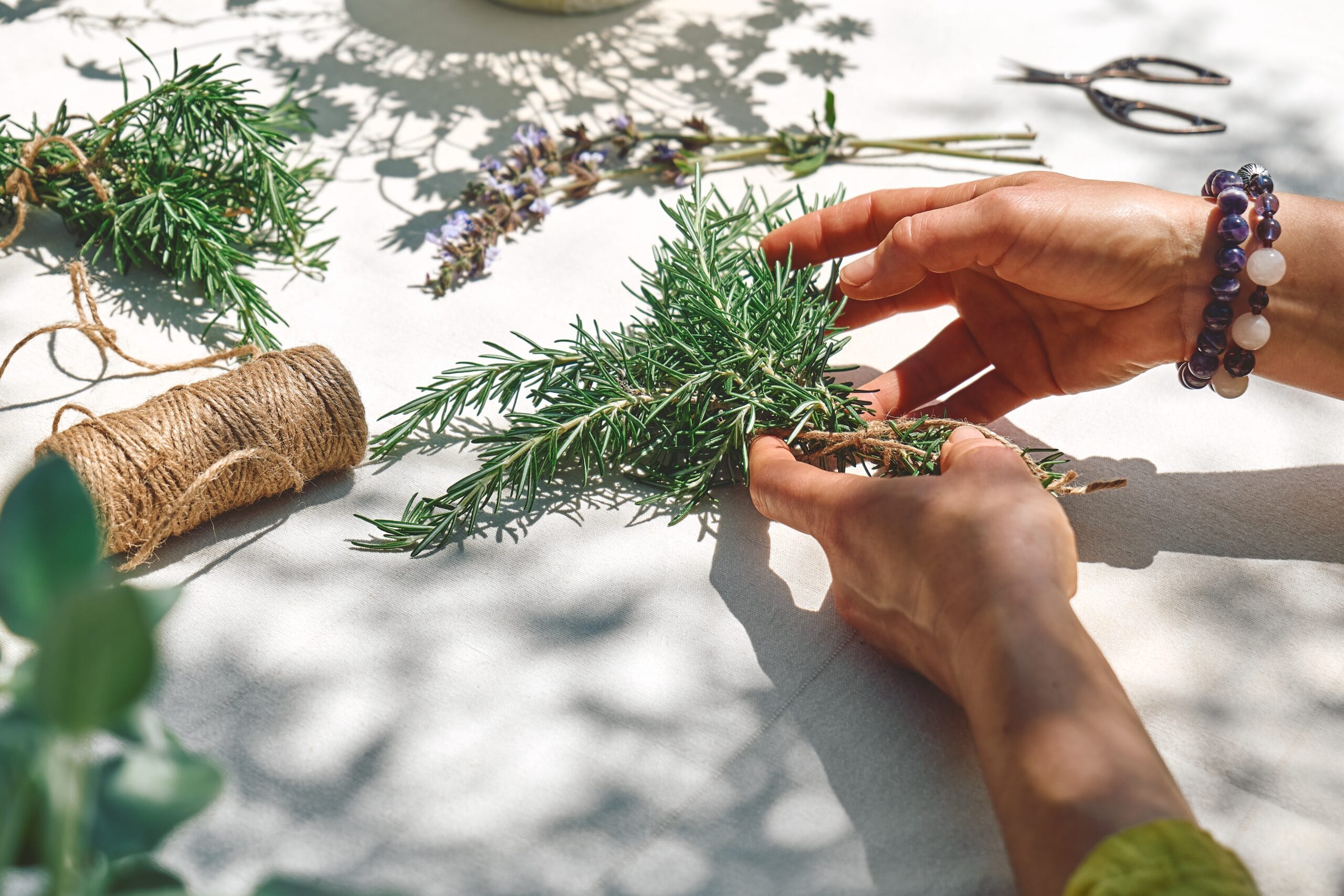
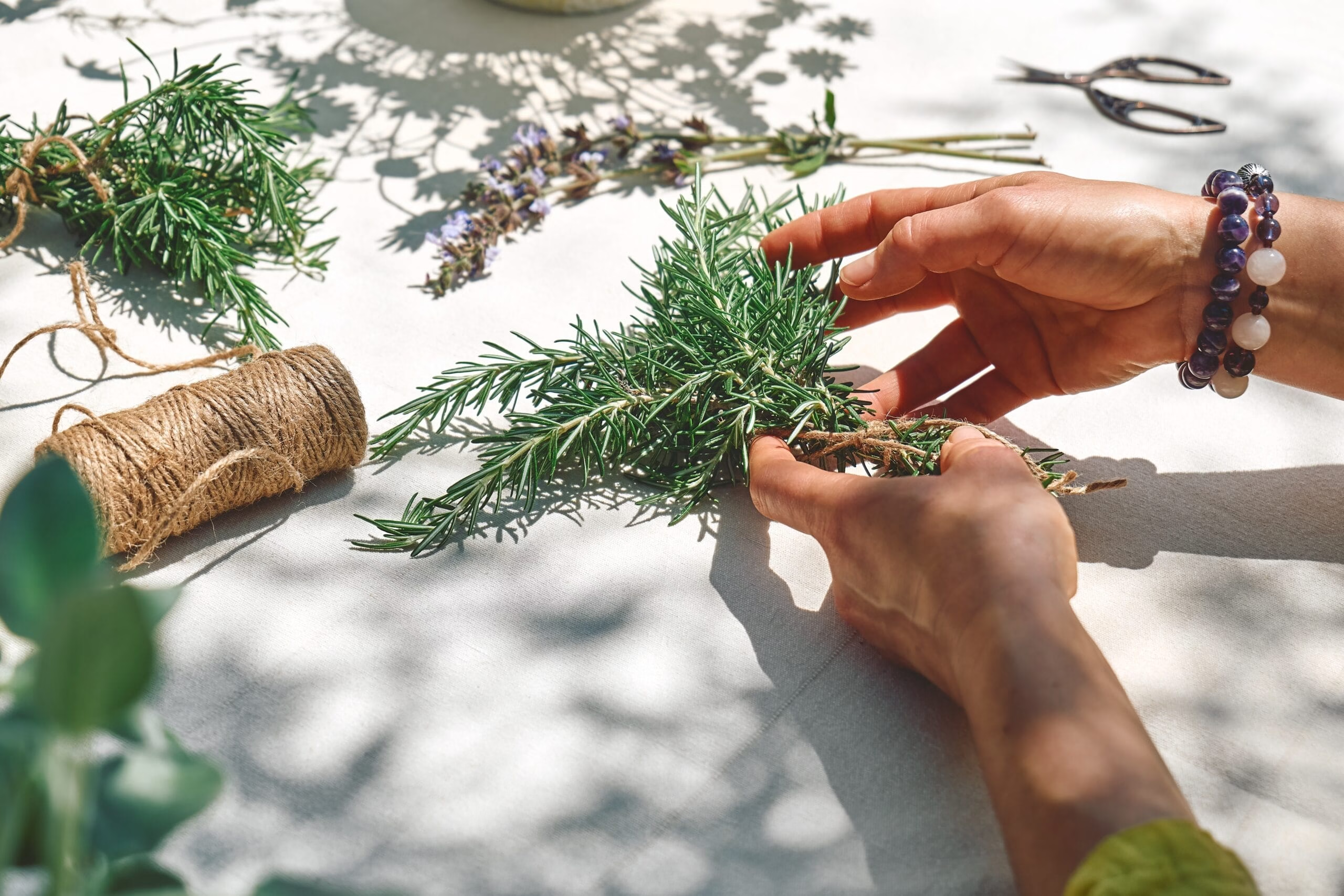
- Drying: cut sprigs and dry them in an airy place, then store them in jars.
Conclusion
Rosemary (Rosmarinus officinalis) is an essential Mediterranean plant – bringing flavour, aroma and numerous health benefits. Easy to grow, hardy and always useful. With the SIMPLY and AURELIA smart gardens, you can have it fresh all year round – always to hand, for the kitchen and your health.