






What is red lettuce, what is it good for and how do you grow it at home?
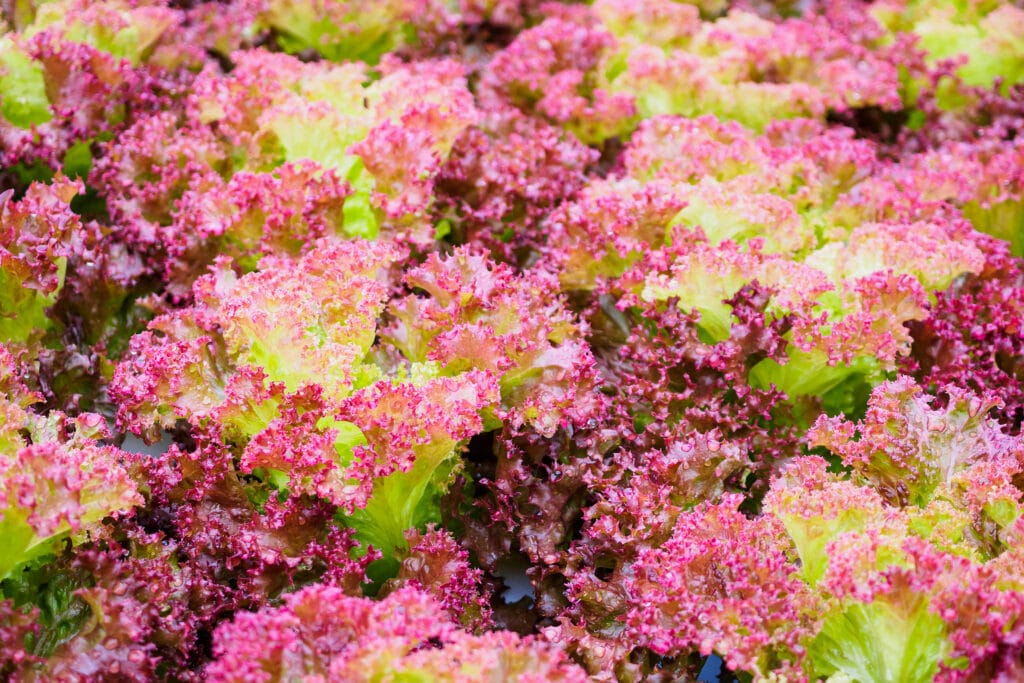
Red lettuce (Lactuca sativa var. crispa, Lollo Rossa variety) is easy to recognise by its curly red-purple leaves and decorative appearance. As well as looking attractive on the plate, this lettuce is nutritionally richer than classic green lettuce thanks to anthocyanin pigments – natural antioxidants.
Red lettuce contains vitamins A, C and K, folic acid, calcium and iron, and its antioxidants help protect cells from oxidative stress.
Quick facts
- Germination time: 7–12 days
- Germination temperature: 15–20 °C
- Time to harvest: 45–60 days
- Primary effects: antioxidant, immune support, bone health
- Vitamins/minerals: A, C, K, folic acid, calcium, iron
- Effect on people: strengthens the immune system, slows cell ageing, supports bone health
Growing red lettuce at home
Red lettuce is a fast-growing leafy plant, suitable for growing in the garden, on the balcony or indoors. It loves sunny spots and moderate moisture.
In smart gardens such as SIMPLY and AURELIA, red lettuce grows stress-free – automatically watered and lit, which means you can have fresh, crisp leaves all year round.
Planting red lettuce from seed
- Sow the seeds shallowly (0.5 cm) in a free-draining growing medium or use smart soils with seeds.
- Maintain constant moisture, but avoid too much water.
- The plants sprout within a week.
- Thin them out if the sowing is too dense so the leaves have room to develop.
Growing in the Simply and Aurelia smart gardens
Our smart gardens let red lettuce grow without daily watering and care. The optimal amount of water and light guarantees a constant supply of crisp leaves rich in antioxidants – ideal for fresh salads and healthy meals.
How to harvest red lettuce so it keeps growing
- Pick the outer leaves regularly, while the inner ones keep growing.
- Do not pull up the whole plant – that way you ensure a continuous supply.
- It is best to harvest in the morning, when the nutritional value is at its highest.
Common problems and solutions
| Problem | Possible cause | Solution |
| Weak growth | Too little light or sowing too dense | Move to a brighter spot, thin out the sowing |
| Yellow leaves | Lack of nutrients | Add organic fertiliser or use smart soils |
| Bitter taste | High temperatures | Grow indoors or in the cooler part of the day |
| Pests | Aphids, slugs | Remove by hand, use natural methods |
| Wilting | Lack of water | Maintain regular moisture or use automated growing |
The difference between red and green lettuce
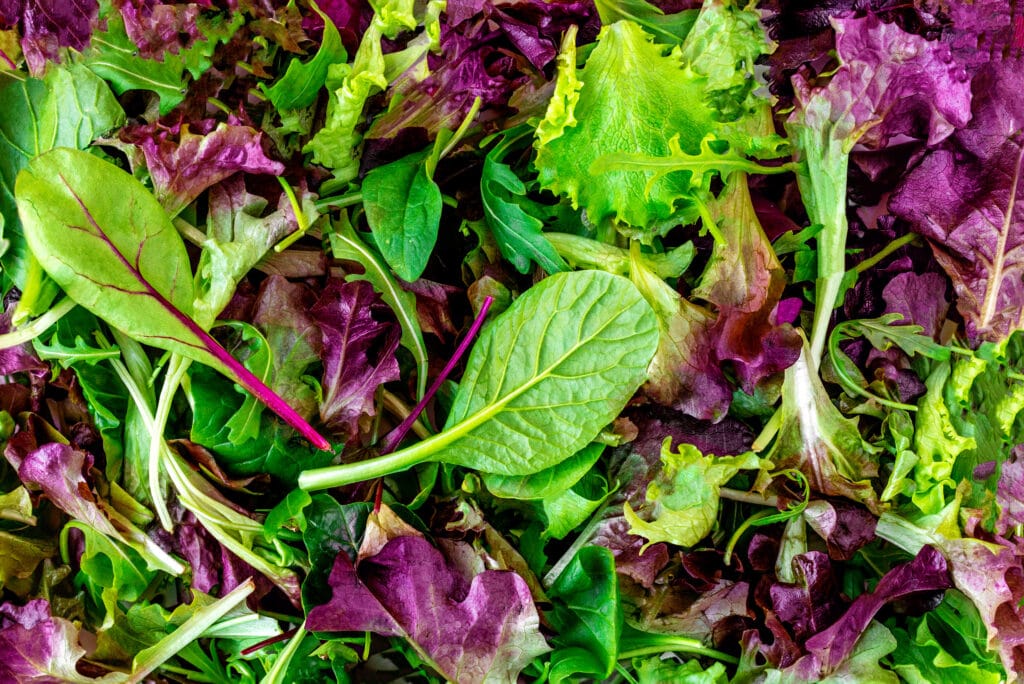
- Red lettuce (Lollo Rossa): decorative, rich in antioxidants, slightly bitter flavour.
- Green lettuce (Lento): milder flavour, softer leaves, faster growth.
- Iceberg: firm head, crisp texture, milder flavour.
How to store red lettuce
- In the fridge: keep in a bag or container for 3–5 days.
- Do not wash before storing: it lasts longer if it stays dry.
- Best used fresh: soon after harvest, as it loses colour and crispness.
Conclusion
Red lettuce is a blend of flavour, health and aesthetics. As well as enriching every meal, its antioxidants make it a powerful ally for your health. With the SIMPLY and AURELIA smart gardens, fresh and crisp red lettuce leaves can always be close at hand – hassle-free, all year round.