


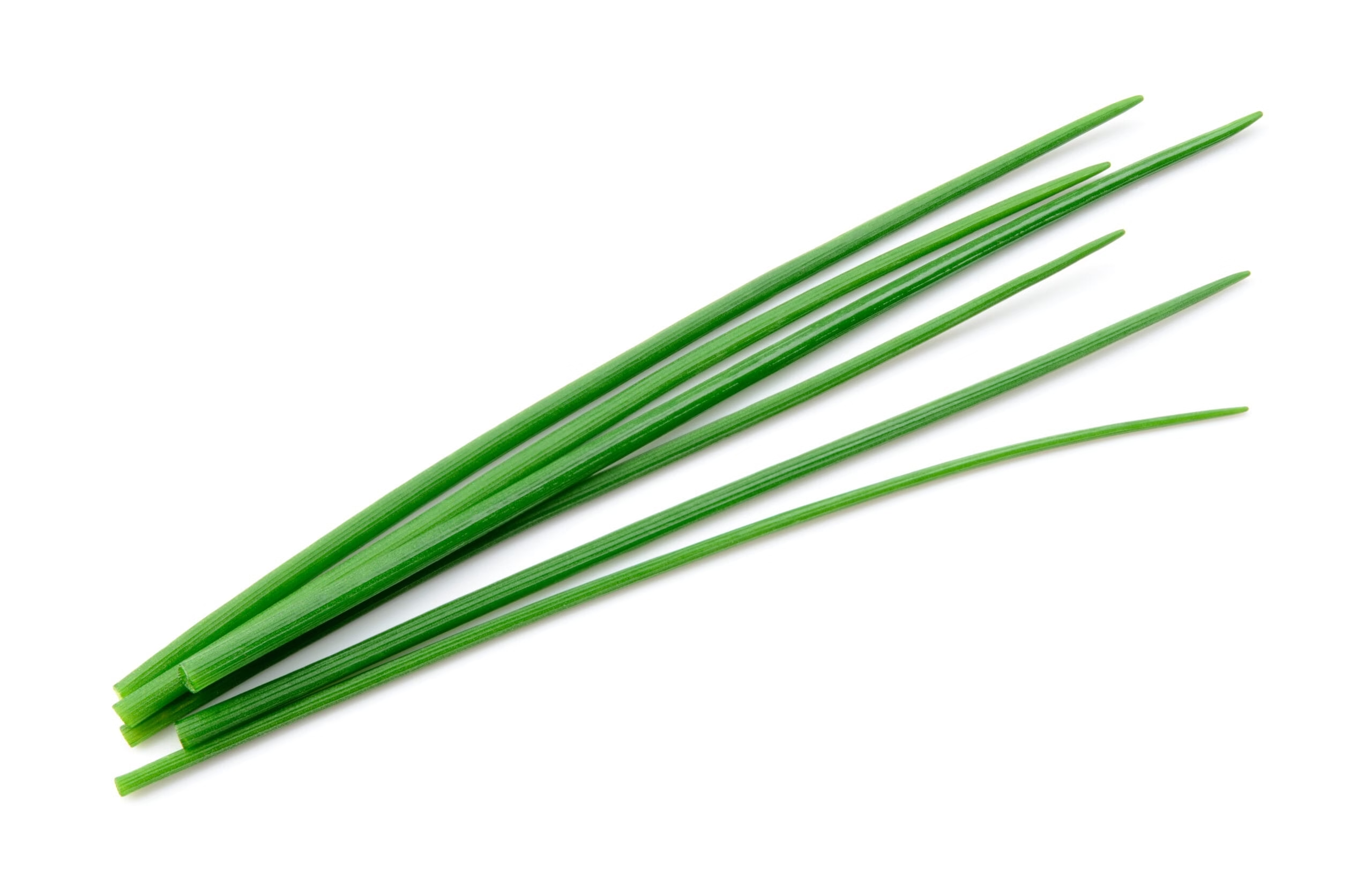










What are chives (Allium schoenoprasum), what are they good for and how do you grow them at home?
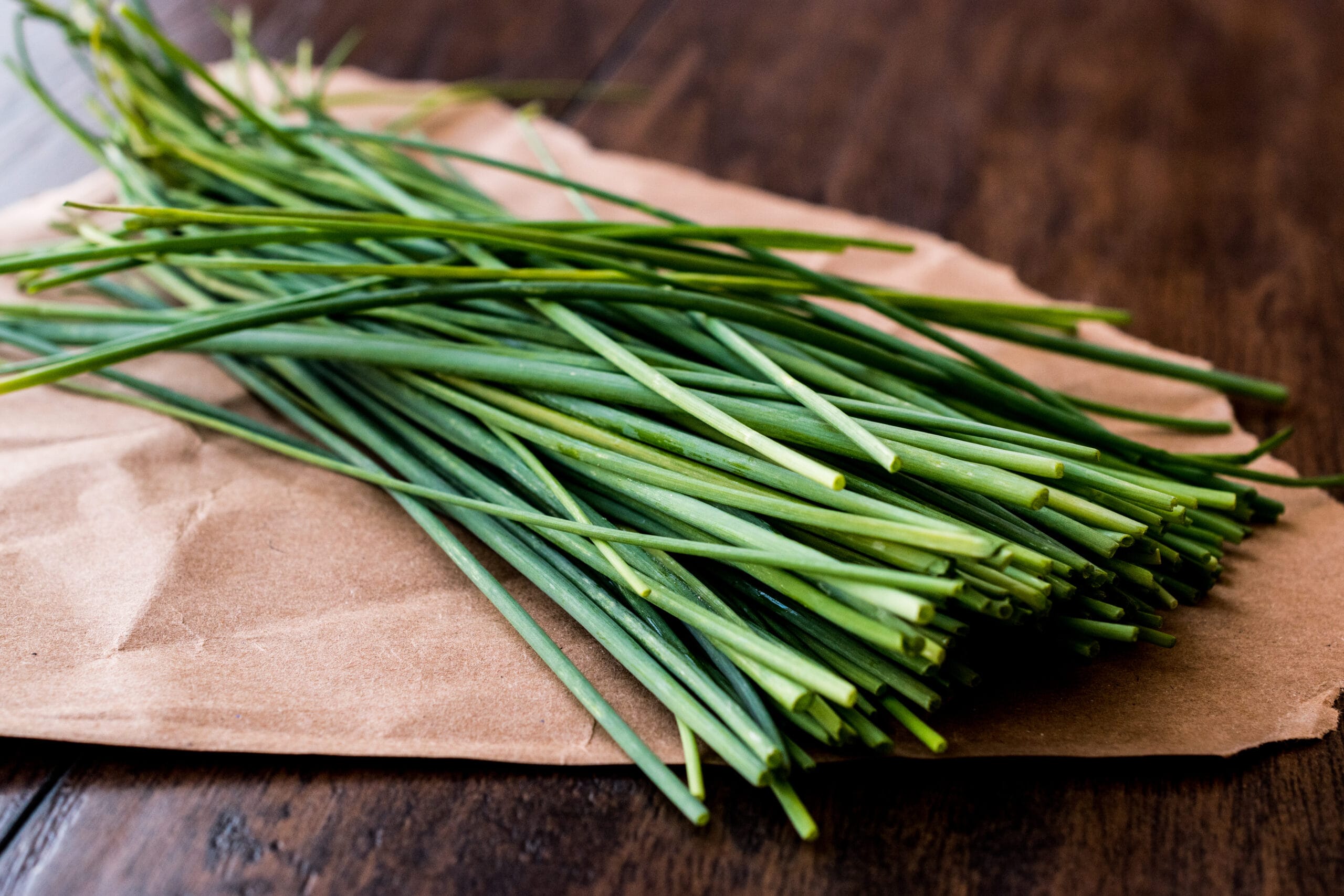
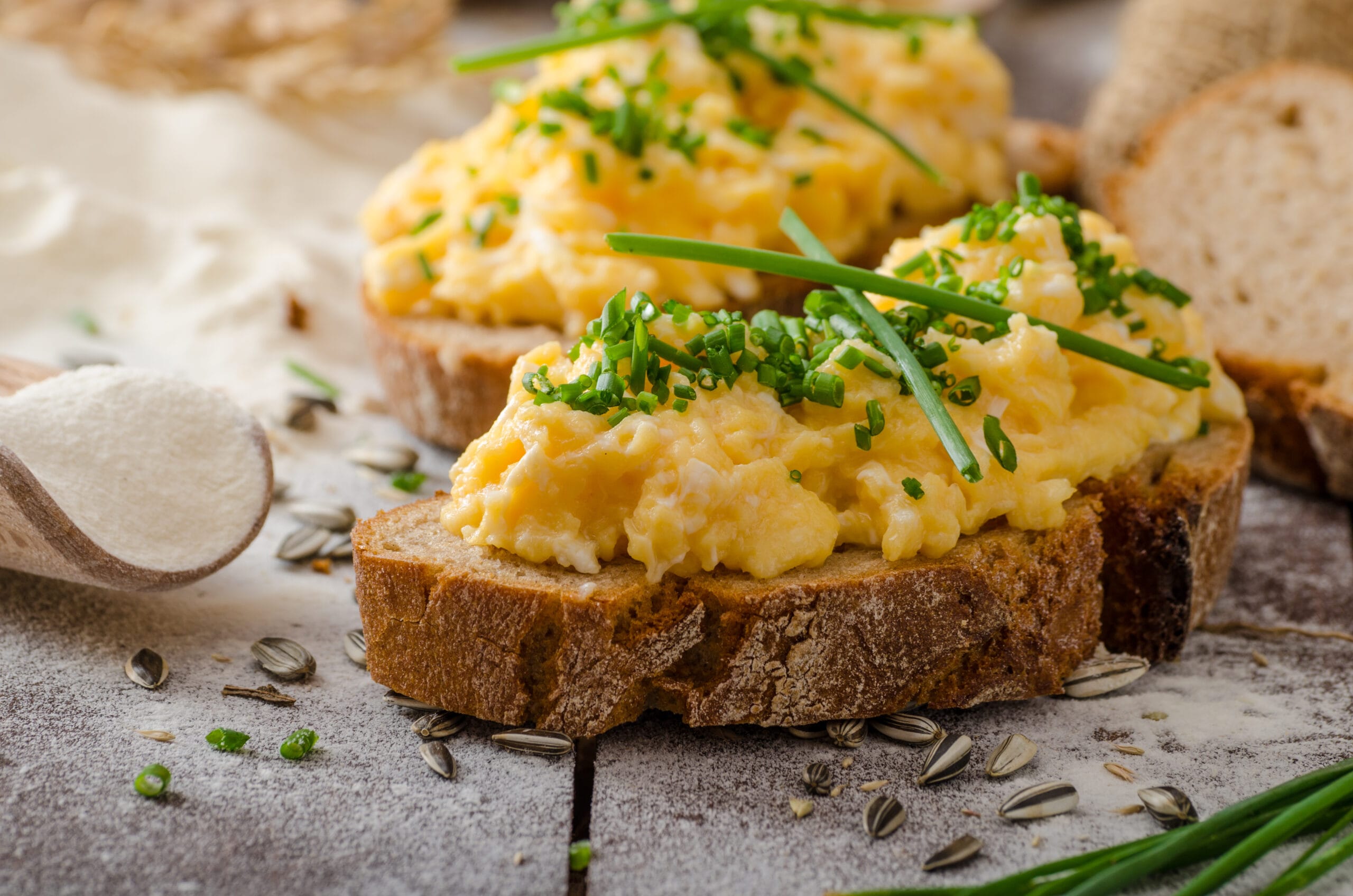
Chives are an aromatic herb from the onion family (Alliaceae), known for their thin, tubular leaves and mild flavour reminiscent of a blend of onion and garlic. They are often used fresh to season salads, soups, sauces and potato dishes, and beyond their culinary role, chives also offer plenty of health benefits.
Nutritionally, they are rich in vitamins A, C and K, as well as minerals such as calcium, iron and magnesium. Eaten regularly, they contribute to heart health, a stronger immune system and better digestion.
Quick facts
- Germination time: 7–14 days
- Germination temperature: 15–20 °C
- Time to harvest: 60–80 days
- Primary use: cooking, seasoning, nutritional health support
- Vitamins/minerals: A, C, K, calcium, iron, magnesium
- Effects on the body: strengthens immunity, supports digestion, contributes to heart health
Growing chives at home
Chives are a rewarding plant that thrives in the garden, on the balcony or in pots indoors. They like sunny spots and well-drained, moderately moist soil. They are cold-hardy, so they can be grown for most of the year.
In smart gardens like SIMPLY and AURELIA, chives grow effortlessly – automated systems take care of water and light while you enjoy fresh leaves all year round.
Planting chives from seed
- Sow the seeds shallowly in a light growing medium or use smart soil pods with seeds.
- Germination takes 7–14 days with optimal moisture.
- Once it grows, trim the outer leaves regularly – this encourages new growth.
- In SIMPLY and AURELIA smart gardens the process is even simpler – no transplanting, with automatic watering and light.
Growing in Simply and Aurelia smart gardens
Our smart gardens make sure you always have fresh chives to hand – no fuss and no worrying about watering. The plant grows continuously and delivers a steady harvest.
How to harvest and use chives
- Cut the leaves regularly with scissors, but not too close to the soil (leave at least 2–3 cm).
- Add them fresh – they lose their aroma when cooked.
- Ideal for salads, soups, potatoes, sauces and spreads.
Common problems and solutions
| Problem | Possible cause | Solution |
| Weak growth | Too little light | Move to a sunny spot or use LED lighting |
| Yellow leaves | Lack of nutrients | Add organic fertiliser or use smart soil pods |
| Wilting too quickly | Too little water | Keep the soil consistently moist |
| Pests (aphids, thrips) | Poor ventilation | Ensure air circulation, use natural repellents |
| Weak aroma | Old leaves | Trim regularly to encourage new, more aromatic growth |
The difference between chives and spring onions
- Chives (Allium schoenoprasum): thinner, tubular leaves, milder flavour, used fresh.
- Spring onion (Allium cepa): stronger flavour, used both cooked and fresh, thicker leaves and stalk.
How to store chives
- In the fridge: fresh chives keep for 5–7 days in a bag or container.
- Freezing: chop and freeze for long-term use.
- Drying: they lose their aroma, so freezing is the better option.
Conclusion
Chives (Allium schoenoprasum) are a kitchen essential – easy to grow, packed with nutrients and always ready to lift your dish. With SIMPLY and AURELIA smart gardens, you can have fresh chives to hand all year round – no stress and no effort.