








What is rainbow chard, what is it good for and how do you grow it at home?
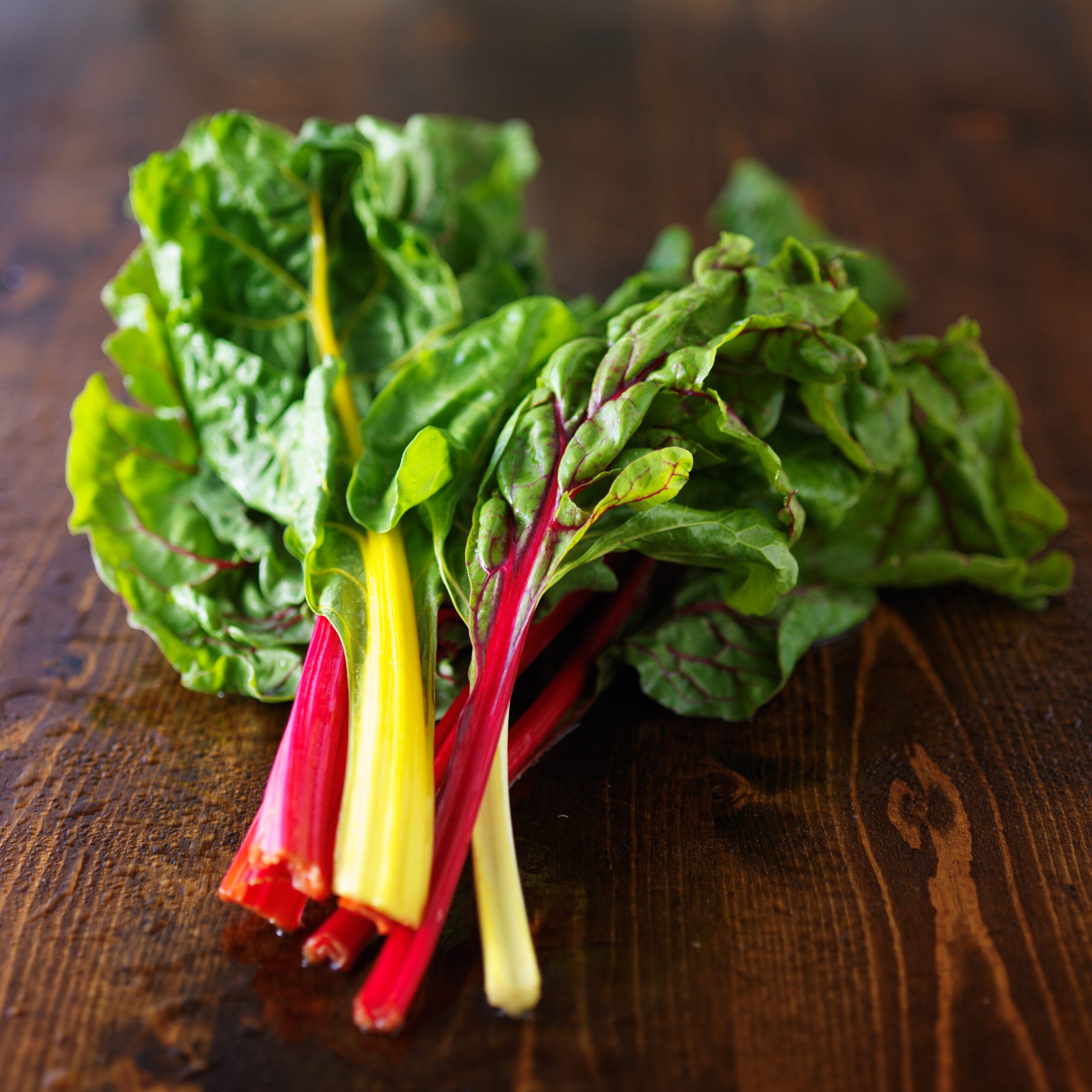
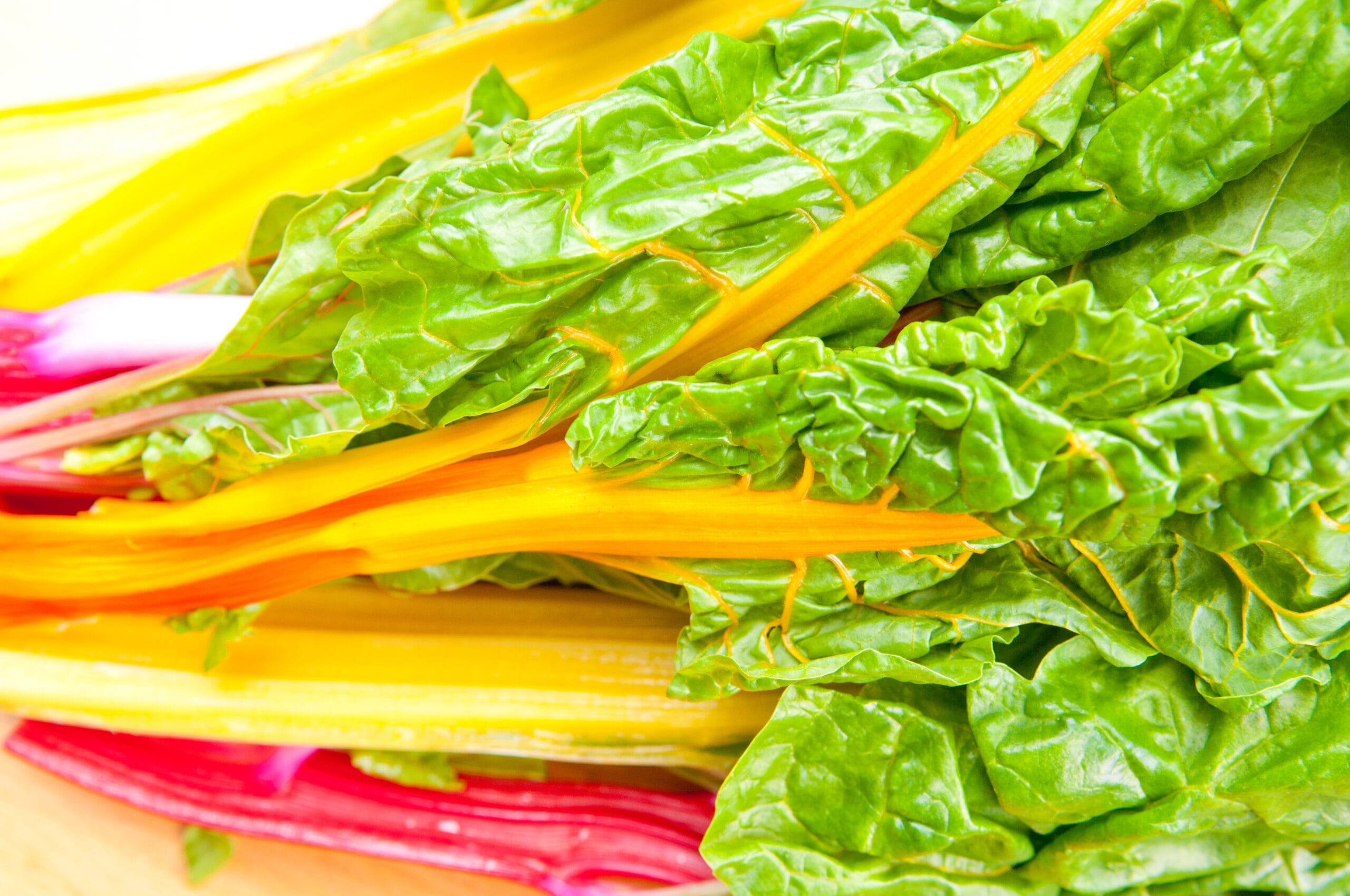
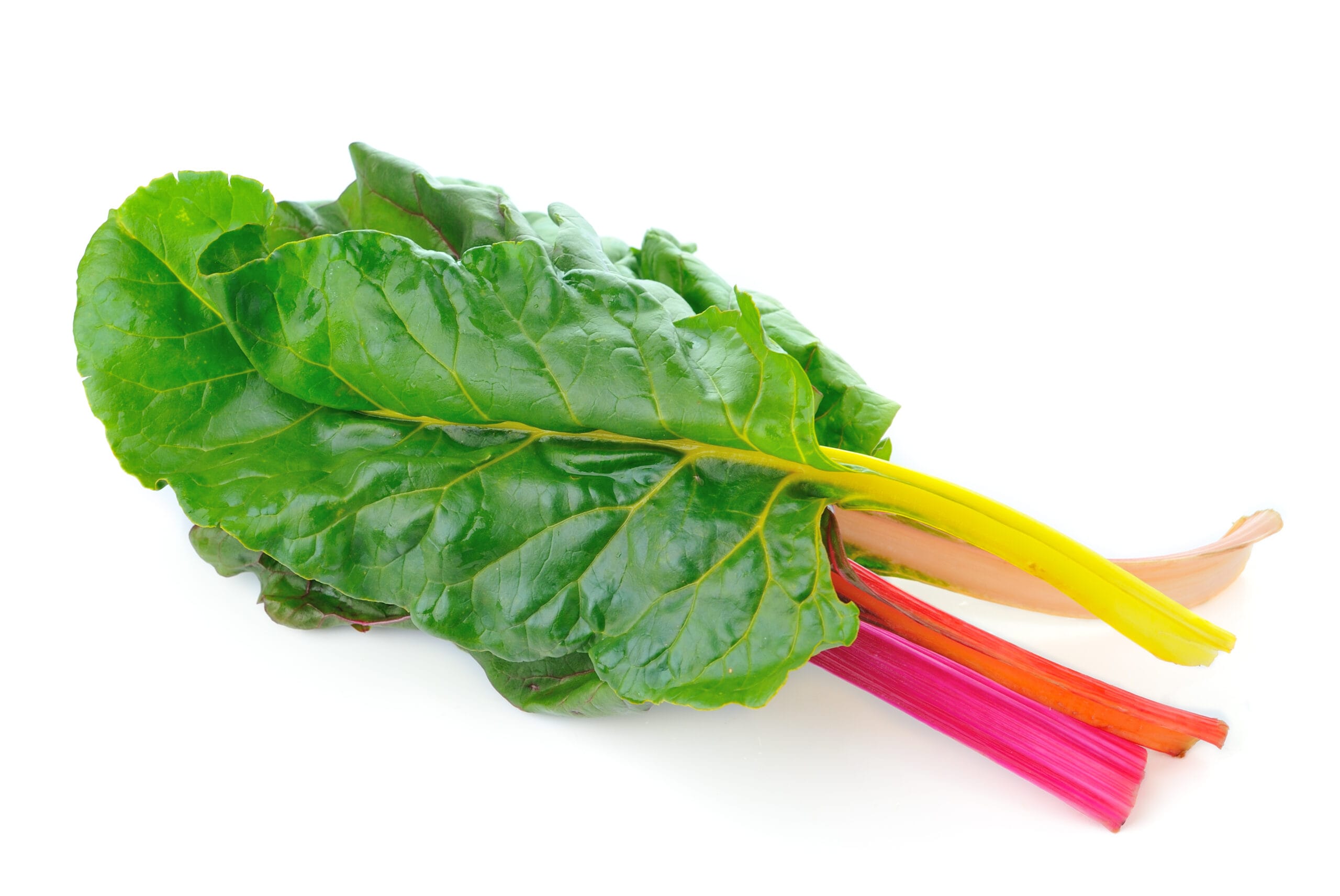
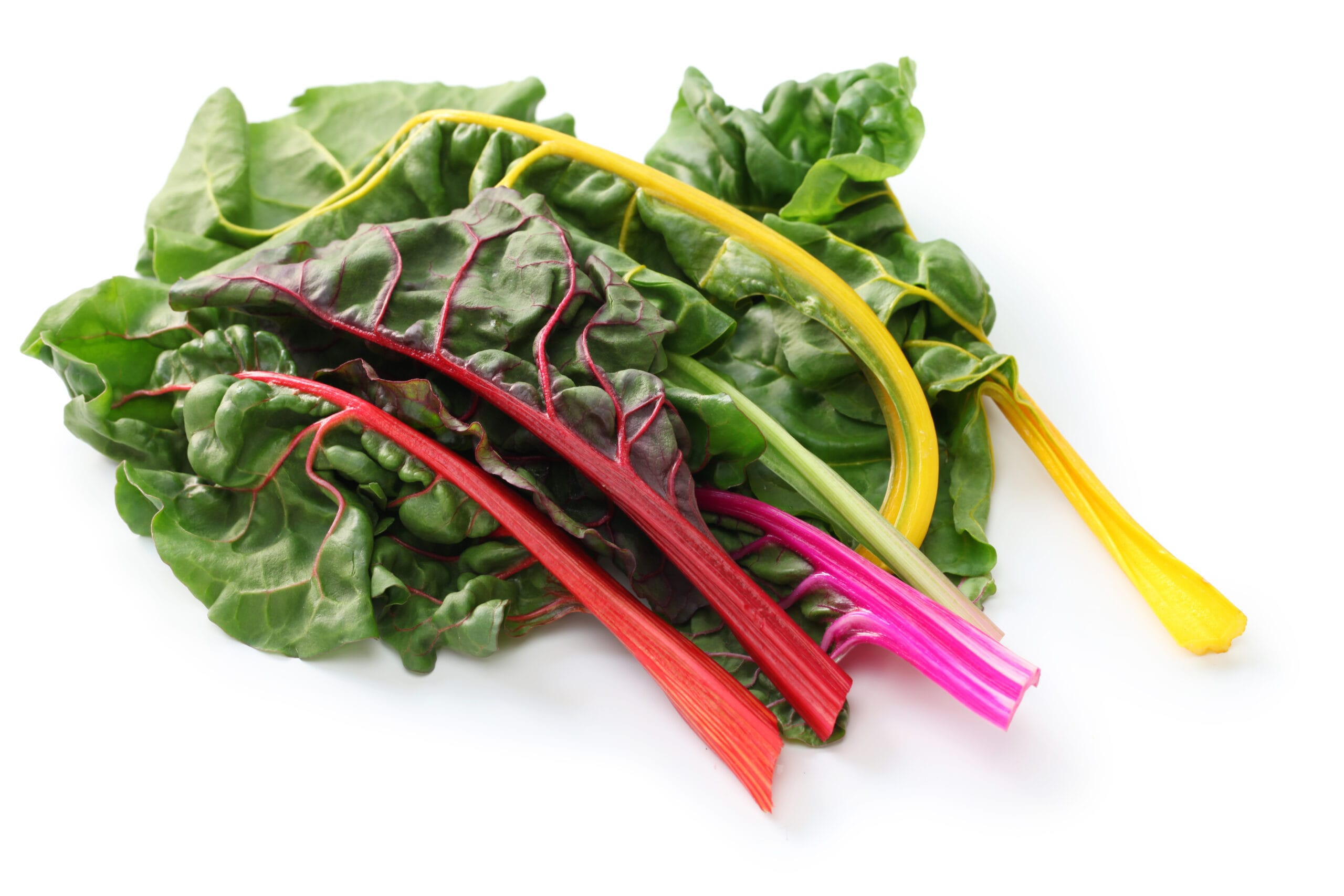
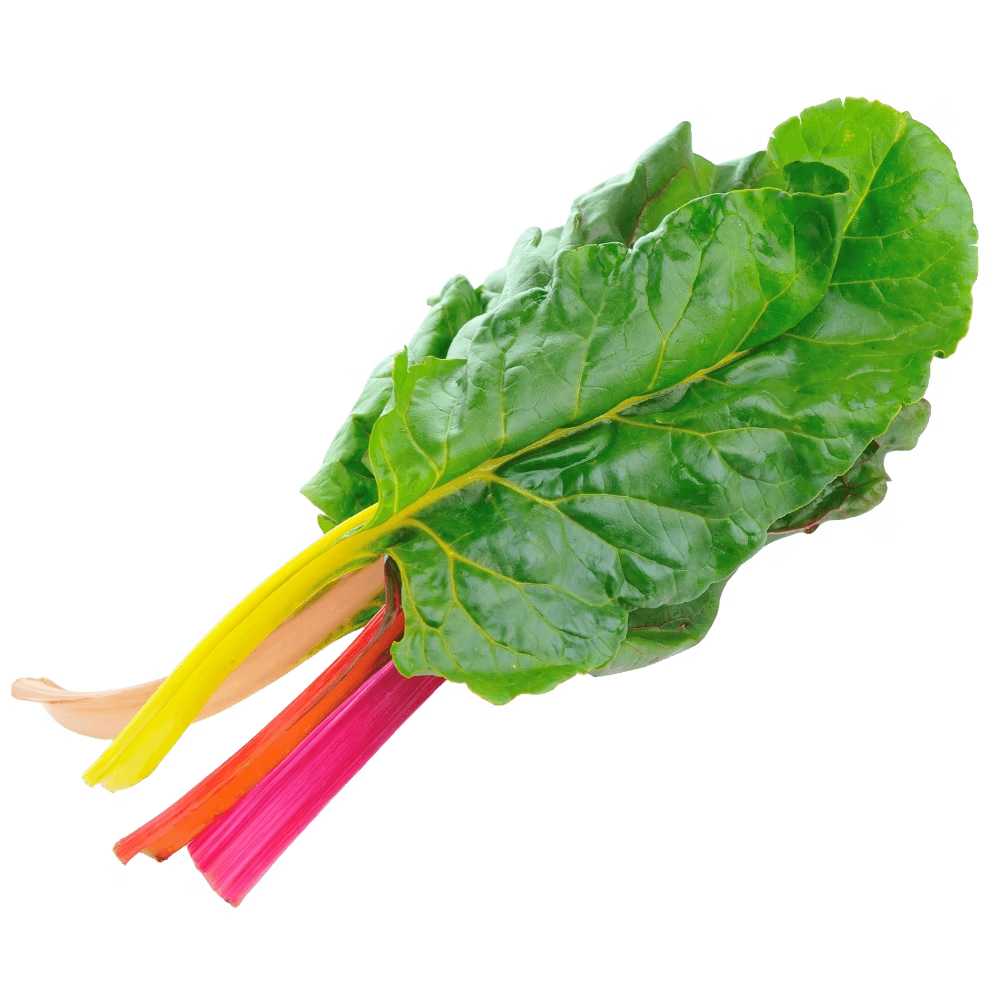
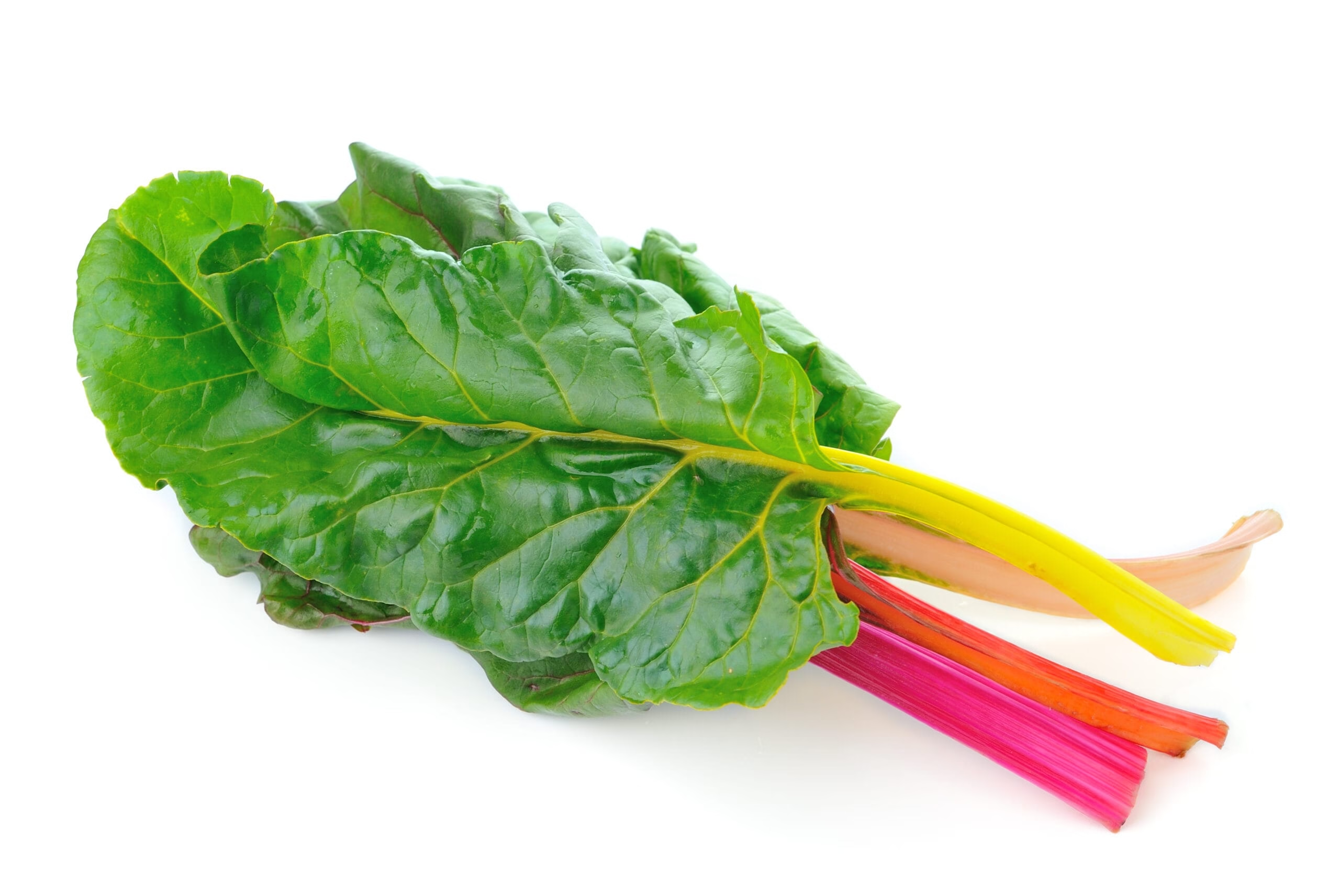
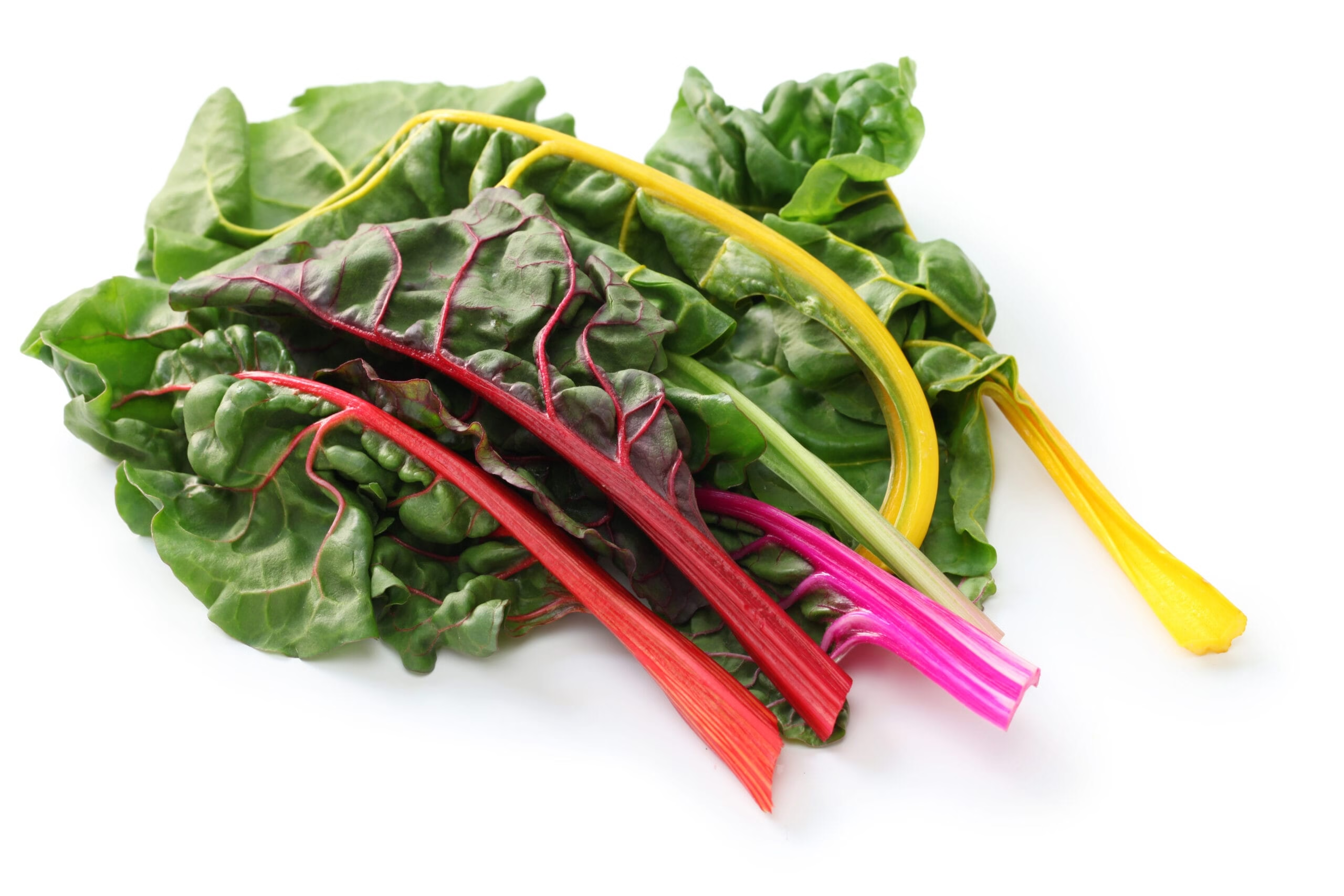
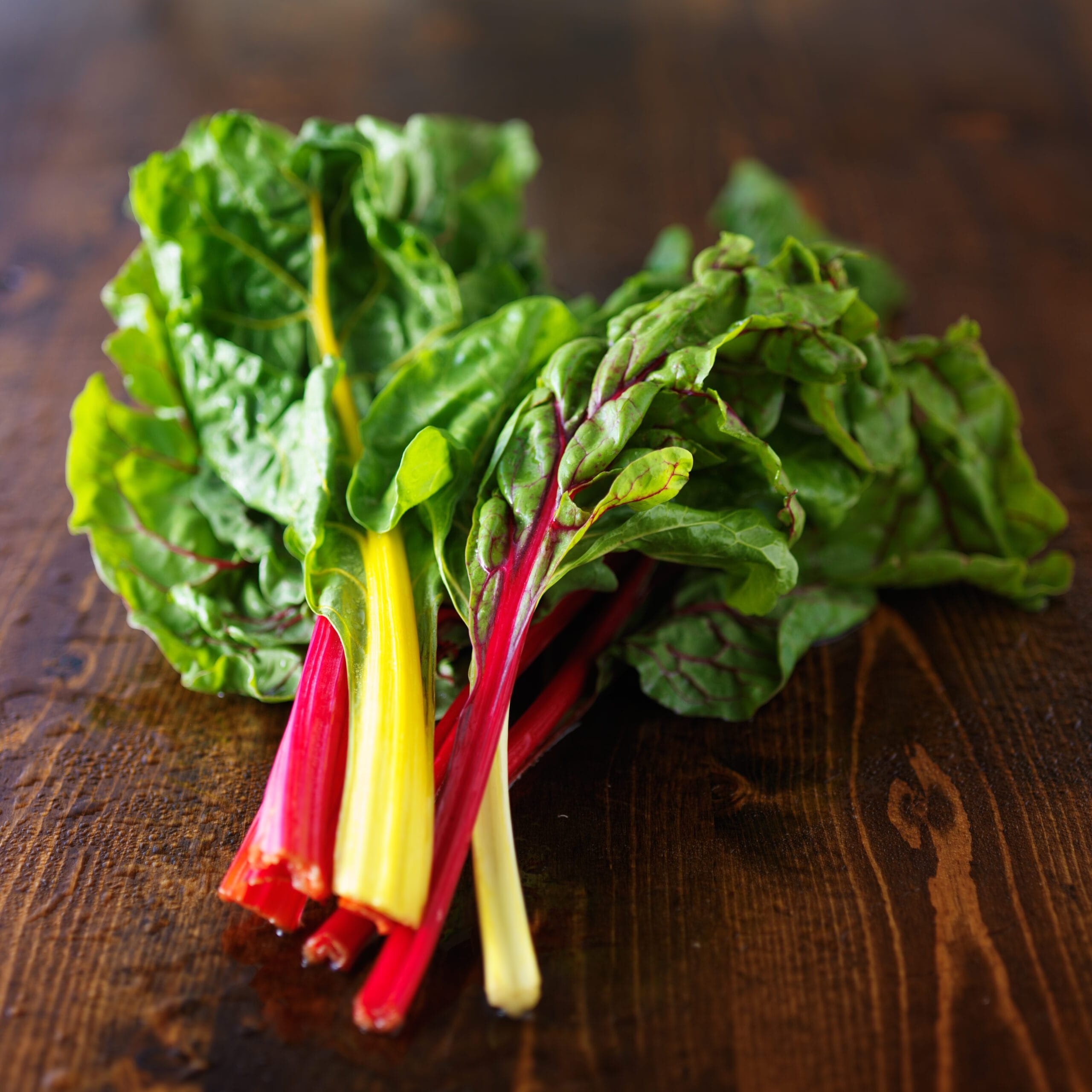
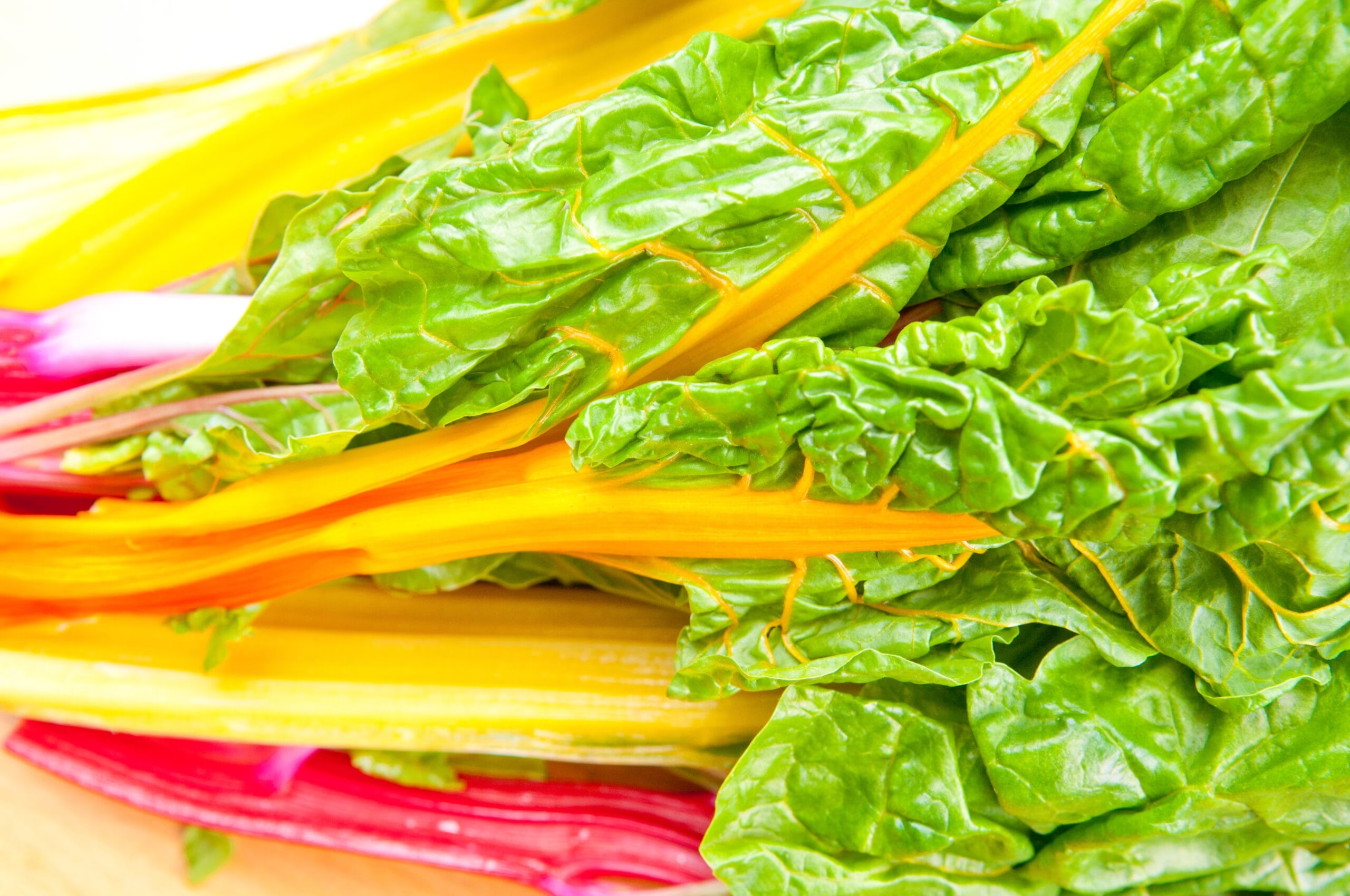
Rainbow chard (Beta vulgaris var. cicla), also known as Swiss Chard Mixed, is a vegetable that delights not only with its nutritional value but also with its looks – with stems in vivid colours such as red, orange and yellow. As well as bringing colour to the garden and the kitchen, rainbow chard is rich in vitamins and minerals that matter for good health.
It is a rich source of vitamins A, C and K, iron, calcium, magnesium and fibre. As well as strengthening immunity and bones, rainbow chard helps regulate digestion and supports the body’s detoxification.
Quick facts
- Germination time: 7–14 days
- Germination temperature: 16–22 °C
- Time to harvest: 50–60 days
- Primary effects: antioxidant, immune support, digestion
- Vitamins/minerals: A, C, K, iron, calcium, magnesium, fibre
- Effects on the body: strengthens immunity, supports bone health, aids digestion
Growing rainbow chard at home
Rainbow chard does best in a sunny spot, but it also tolerates partial shade. It likes well-drained, nutrient-rich soil and regular watering. It is ideal for gardens, balconies and indoor containers.
In smart gardens such as SIMPLY and AURELIA, rainbow chard grows with ease – automatic irrigation and optimal lighting ensure continuous growth and abundant leaves all year round.
Planting rainbow chard from seed
- Sow the seeds in a light growing medium or use smart soil with seeds.
- Keep the medium moist until the seedlings emerge (7–14 days).
- Once the plants grow stronger, thin them out so they have enough room to grow.
- Harvest the outer leaves so the plant keeps growing.
Growing in SIMPLY and AURELIA smart gardens
Our smart gardens make growing rainbow chard worry-free – water, light and nutrients adjust automatically to the plant’s needs. That means you can always have fresh, colourful leaves rich in vitamins and minerals.
How to harvest rainbow chard so it keeps growing
- Pick the outer leaves while the centre keeps growing.
- Regular harvesting encourages new growth.
- It is best to harvest in the morning, when the nutritional value is at its highest.
Common problems and solutions
| Problem | Possible cause | Solution |
| Yellow leaves | Nitrogen deficiency | Add fertiliser or use smart soil |
| Weak growth | Overcrowded planting | Thin out the plants |
| Wilting | Lack of water | Water regularly, keep the soil moist |
| Pests | Slugs, aphids | Remove by hand, use natural control methods |
| Bitter leaves | Older leaves | Pick younger leaves for a milder taste |
The difference between rainbow and regular chard
- Rainbow chard: decorative multicoloured stems, rich in vitamins, used as both an ornamental and an edible plant.
- Regular chard: green leaves and white stems, classic taste, more common in cooking.
How to store rainbow chard
- In the fridge: keep in a bag for 2–3 days.
- Blanching and freezing: briefly boil the leaves and store them in the freezer.
- Using fresh leaves: best straight after harvesting for maximum nutritional value.
Conclusion
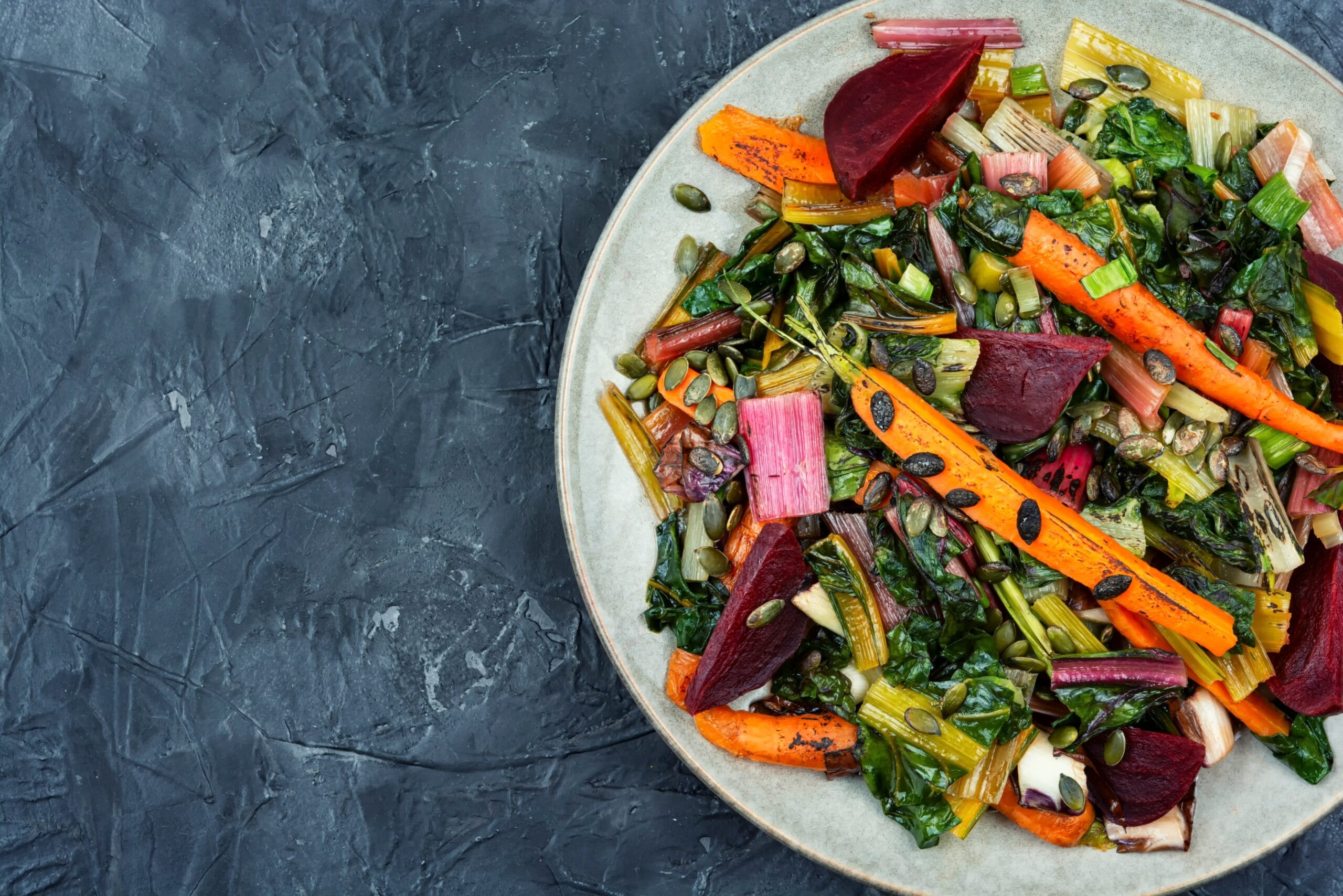
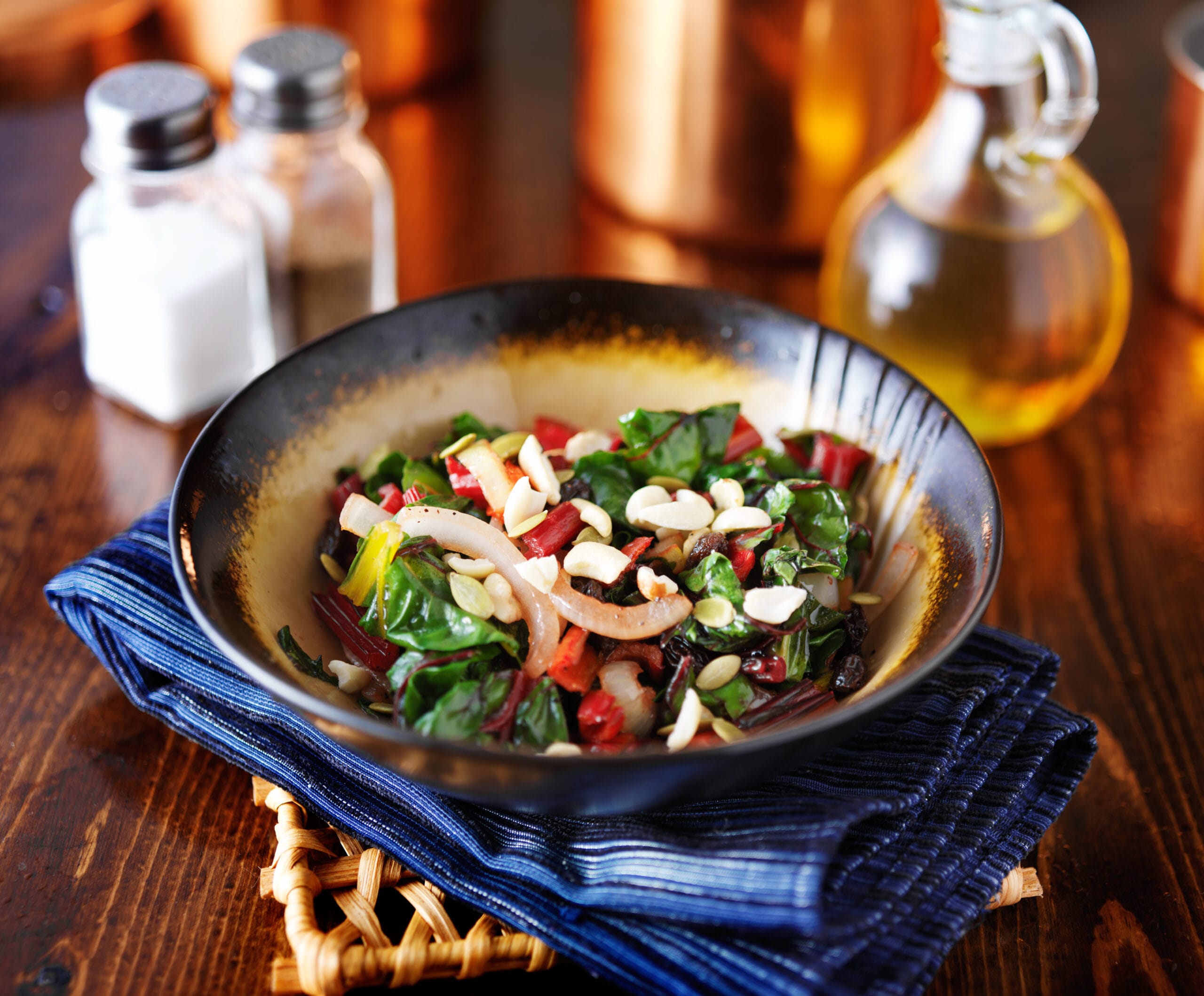
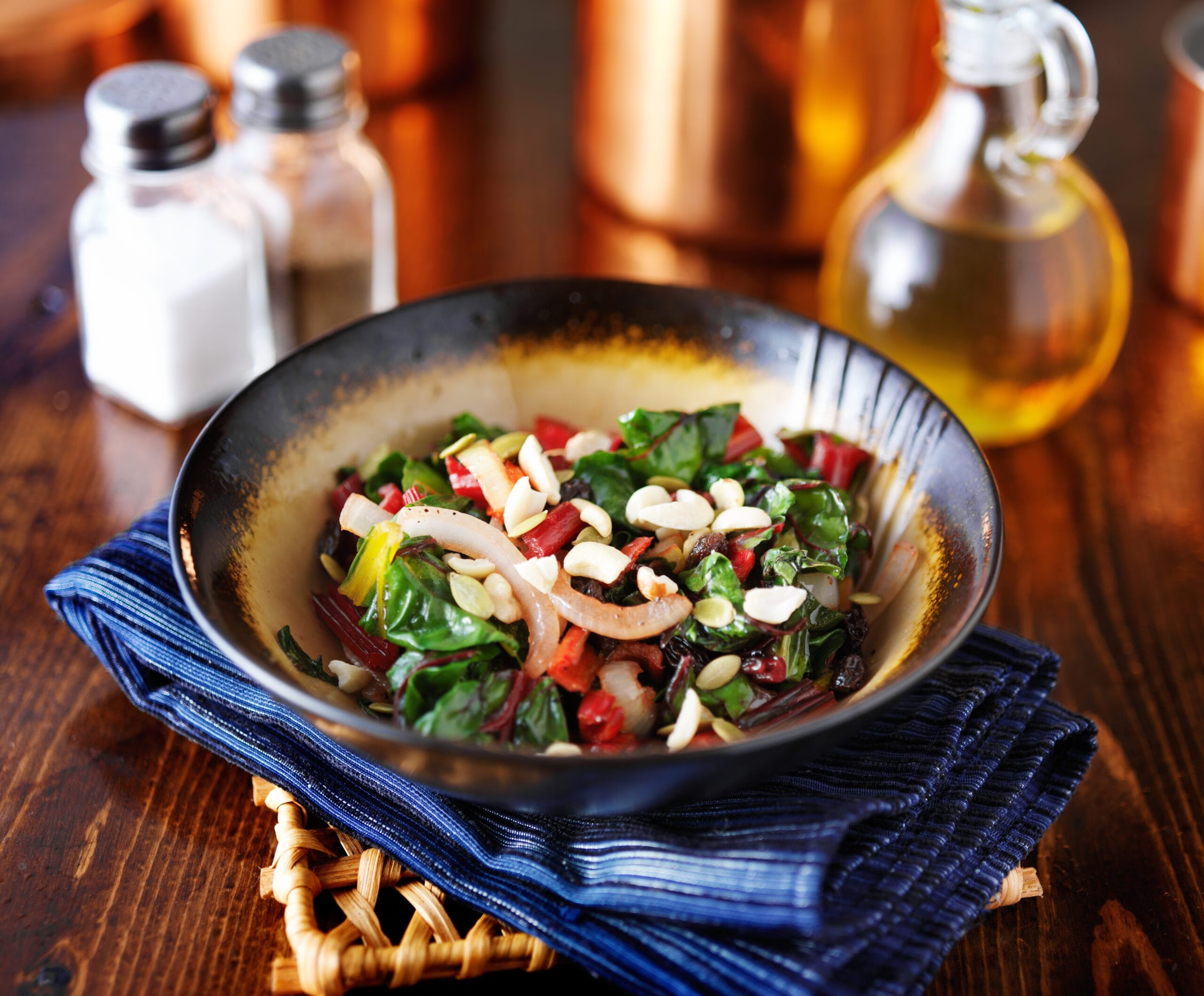
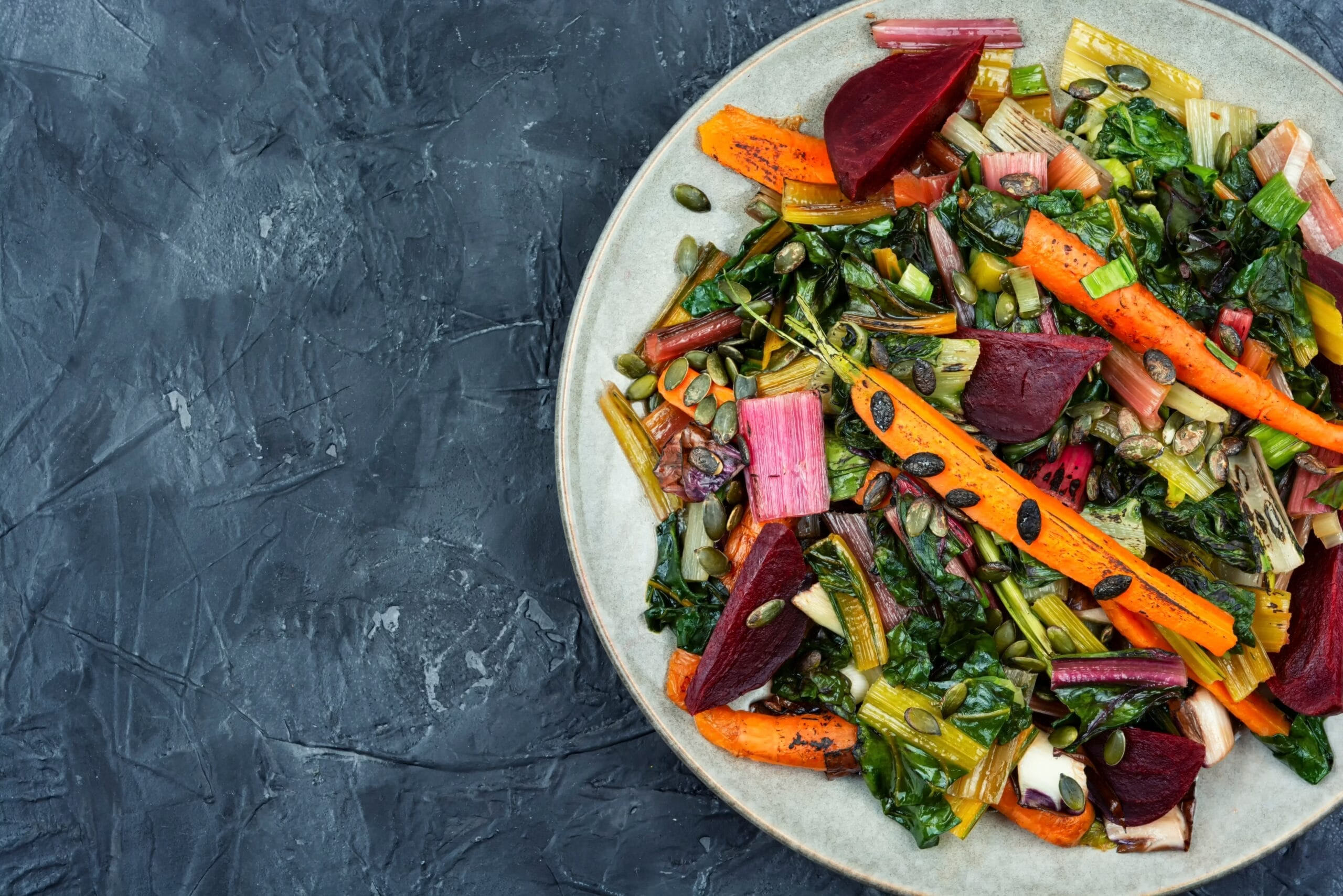
Rainbow chard (Beta vulgaris var. cicla, Swiss Chard Mixed) is not only nutritionally rich but also a strikingly attractive plant that enhances both your space and your menu. Whether you prepare it in salads, soups or in the pan, it brings colour and health to every meal. With the SIMPLY and AURELIA smart gardens, you can have fresh rainbow chard all year round – easily, stress-free and always close at hand.