
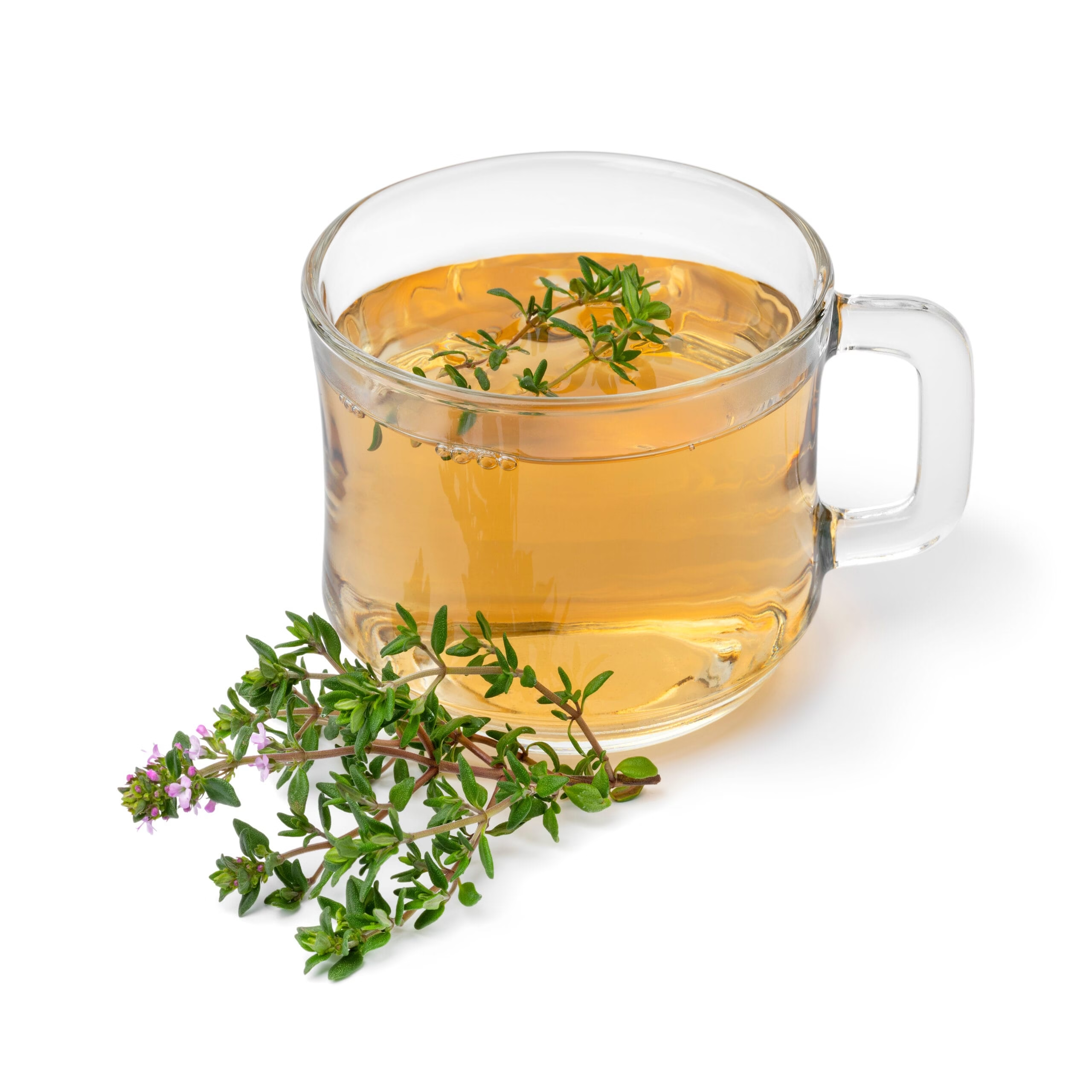


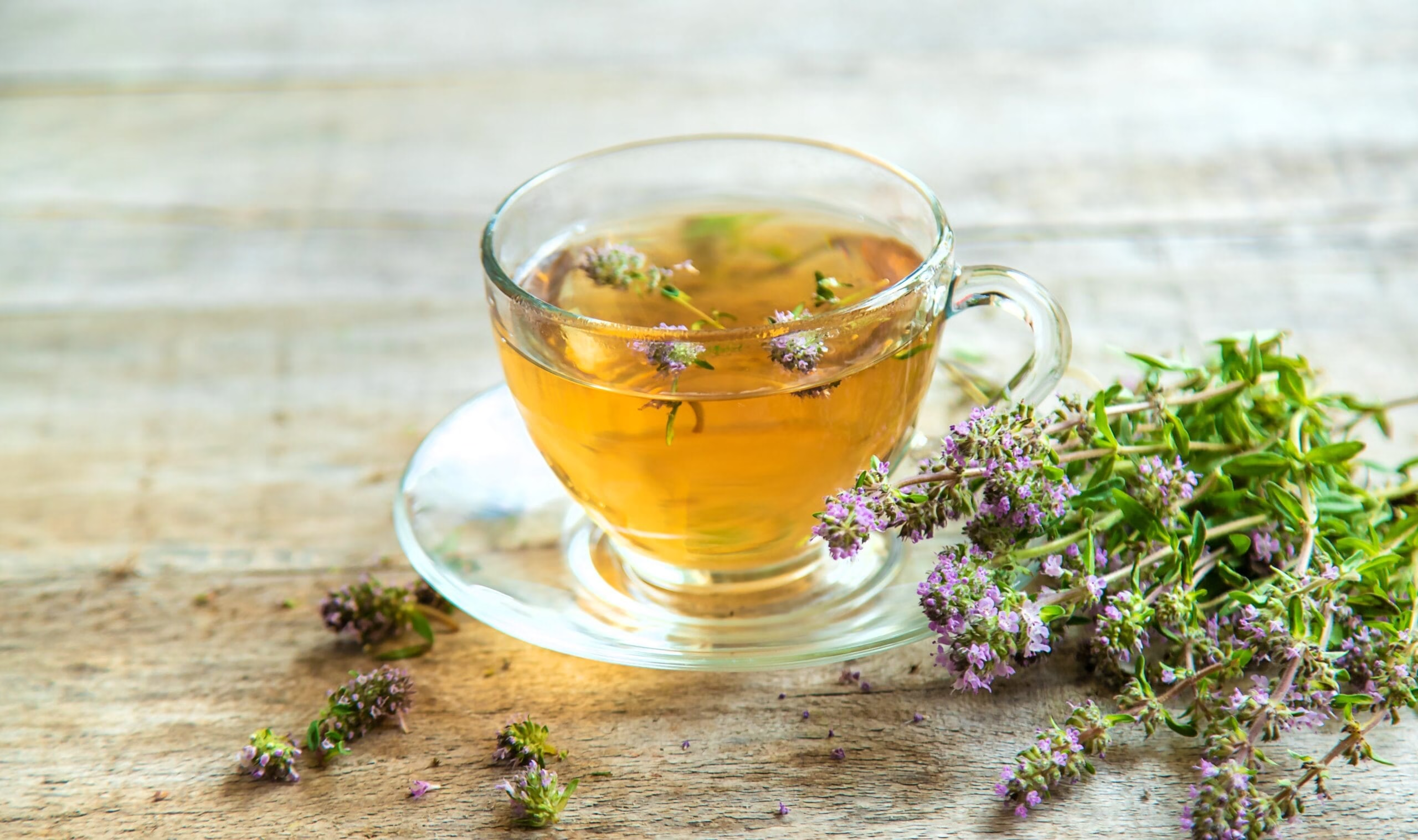


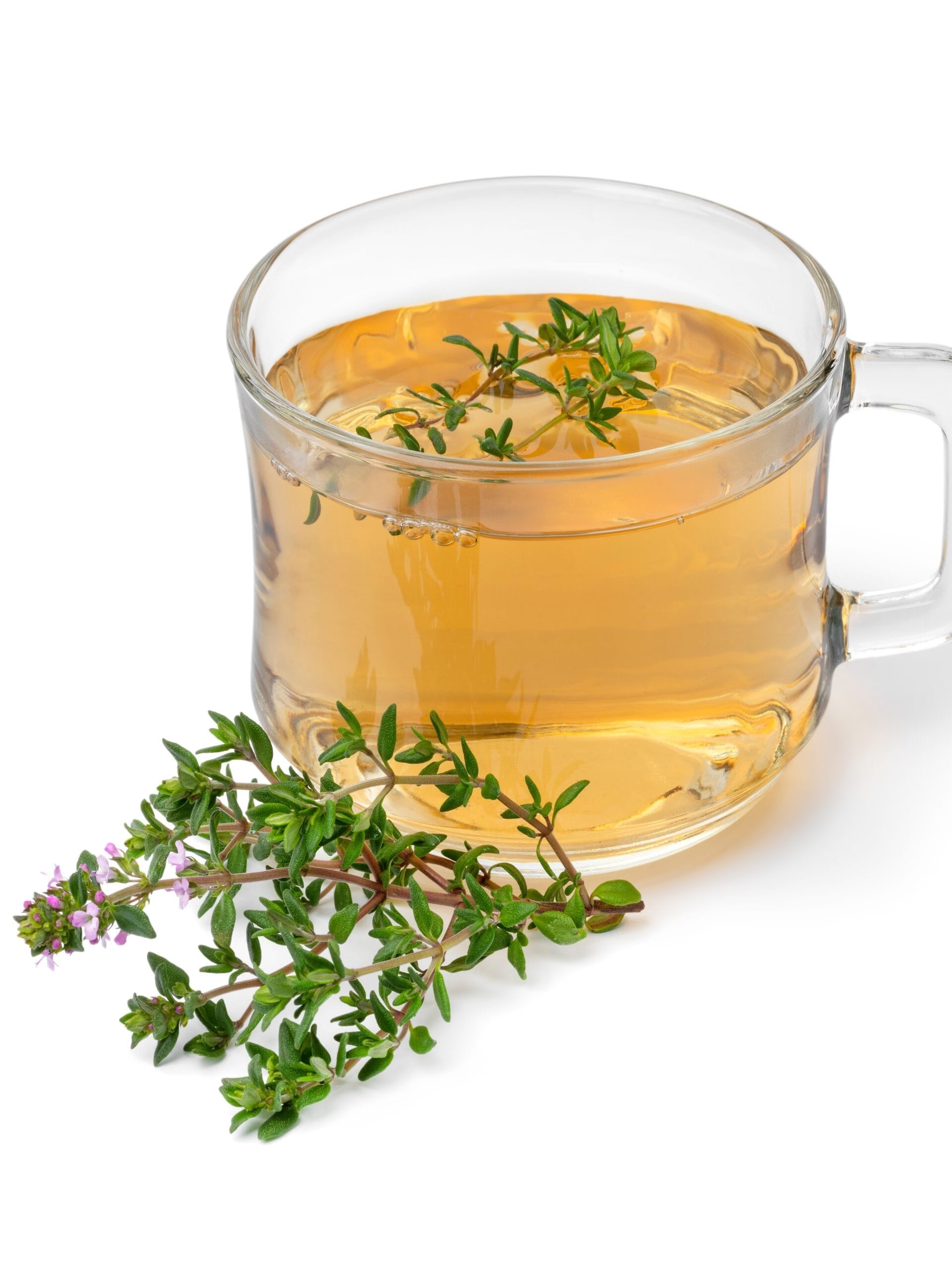





What is thyme (Thymus vulgaris), what is it good for and how do you grow it at home?
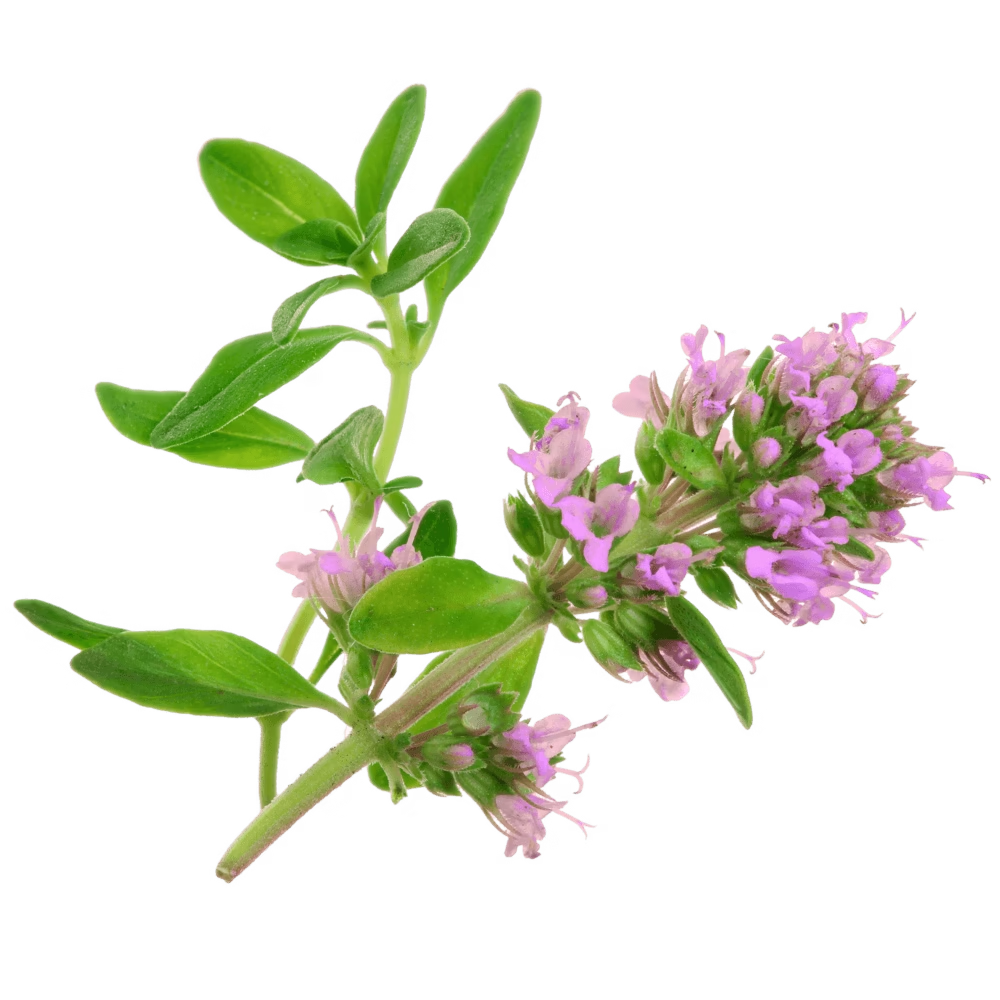
Thyme (Thymus vulgaris), also known as common thyme, is an aromatic, medicinal and indispensable culinary herb. It has been used for centuries in Mediterranean cooking, natural medicine and aromatherapy. Its tiny leaves contain essential oils rich in thymol and carvacrol, compounds with powerful antibacterial and antiseptic properties.
Thyme is also prized for its antioxidant and anti-inflammatory effects, and it is a favourite seasoning for meat dishes, soups and sauces.
Quick facts
- Germination time: 14–28 days
- Germination temperature: 15–20 °C
- Time to harvest: 70–90 days
- Primary use: cooking, medicinal use, aromatherapy
- Vitamins/minerals: vitamin C, vitamin A, iron, manganese, calcium
- Effect on the body: antibacterial, antiseptic and anti-inflammatory action, immune system support
Growing thyme at home
Thyme grows best in sunny positions and in a well-draining growing medium. It is very drought-tolerant and ideal for growing in pots on balconies, windowsills and terraces.
In smart gardens such as SIMPLY and AURELIA, thyme can be grown all year round – automatically watered and optimally lit, it always stays fresh and fragrant.
Planting thyme from seed
- Sow the seeds shallowly in a light, well-drained growing medium or use smart soil with seeds.
- Keep the medium moist until germination (14–28 days).
- Once seedlings appear, thin them out and provide plenty of sunlight.
- In the SIMPLY and AURELIA smart gardens – with no transplanting and with automatic water regulation – thyme grows faster and healthier.
Growing in the Simply and Aurelia smart gardens
Our smart gardens let thyme grow in ideal conditions all year round. That means you will always have a fresh herb to hand for cooking and natural preparations, with no worries about watering or growing conditions.
How to harvest and care for thyme
- Harvest the leafy tips once the plant reaches 10–15 cm.
- Regular harvesting encourages branching and new growth.
- The leaves reach their most intense fragrance and medicinal potency at flowering time.
Common problems and solutions
| Problem | Possible cause | Solution |
| Weak growth | Too little light | Move to a sunny spot or use LED lighting |
| Yellow leaves | Too much water, poor drainage | Use a well-draining growing medium and reduce watering |
| Weak fragrance | Lack of light | Provide at least 6 h of direct light or an LED lamp |
| Pests | Aphids, spider mites | Remove by hand or use natural preparations |
| Wilting | Too much moisture or too little warmth | Adjust watering and keep the plant in a warmer spot |
The difference between thyme and oregano
- Thyme (Thymus vulgaris): tiny aromatic leaves, an intense and slightly peppery flavour, used in soups, meat dishes and teas.
- Oregano (Origanum vulgare): broader leaves, a milder and warmer flavour, often used on pizzas and in Italian cooking.
How to store thyme
- Fresh: keep it in a glass of water or wrapped in a damp cloth in the fridge.
- Drying: tie the sprigs into small bunches and dry in an airy place.
- Freezing: freeze the leaves whole or chopped in olive oil.
Conclusion
Thyme (Thymus vulgaris) combines culinary value with medicinal benefits. It brings rich flavour to dishes, supports immunity and refreshes your home with its scent. With the SIMPLY and AURELIA smart gardens, you can have it fresh at all times – in the kitchen, on the table or in your tea, all year round.