


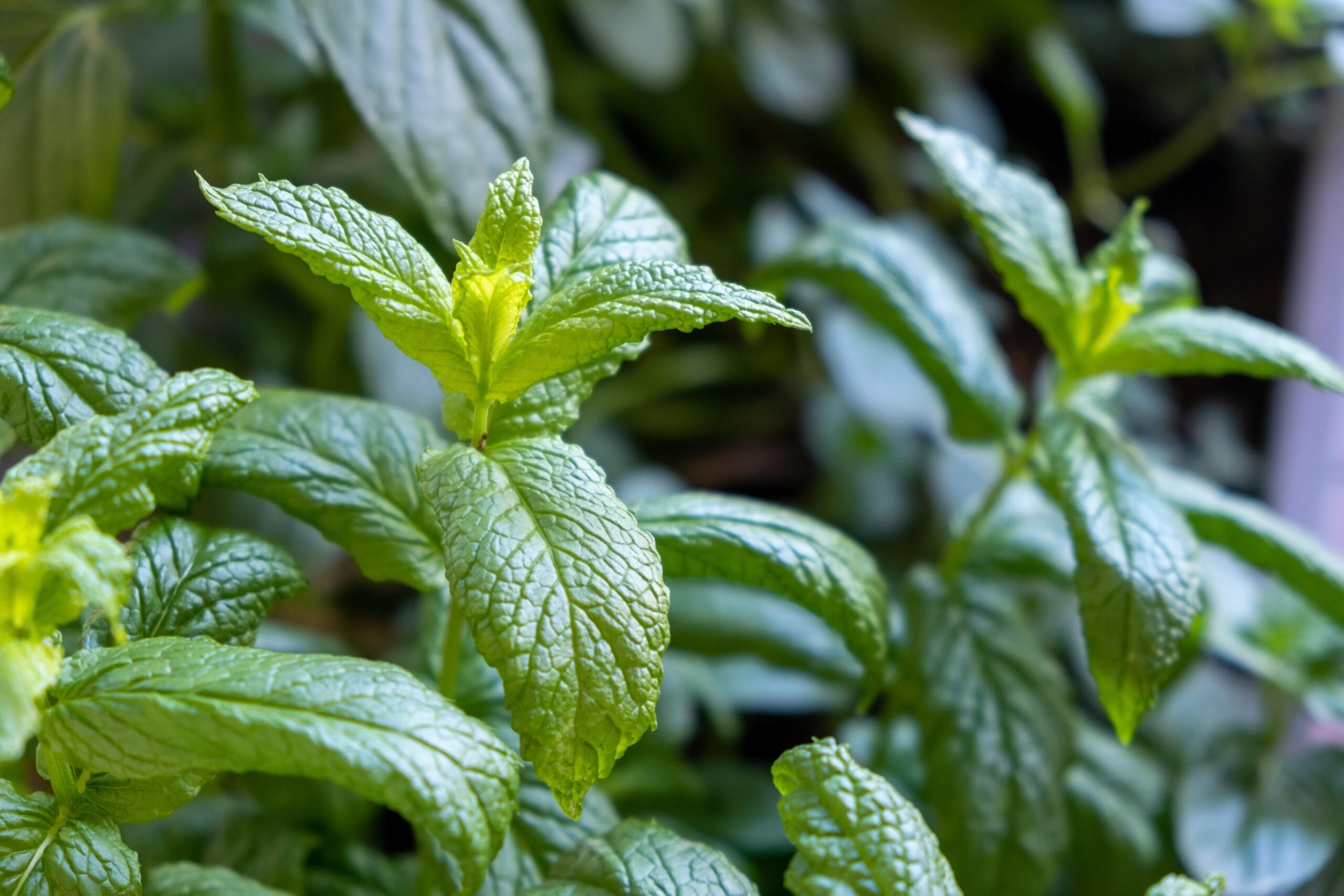







What is spearmint (garden mint), what is it good for and how to grow it at home?
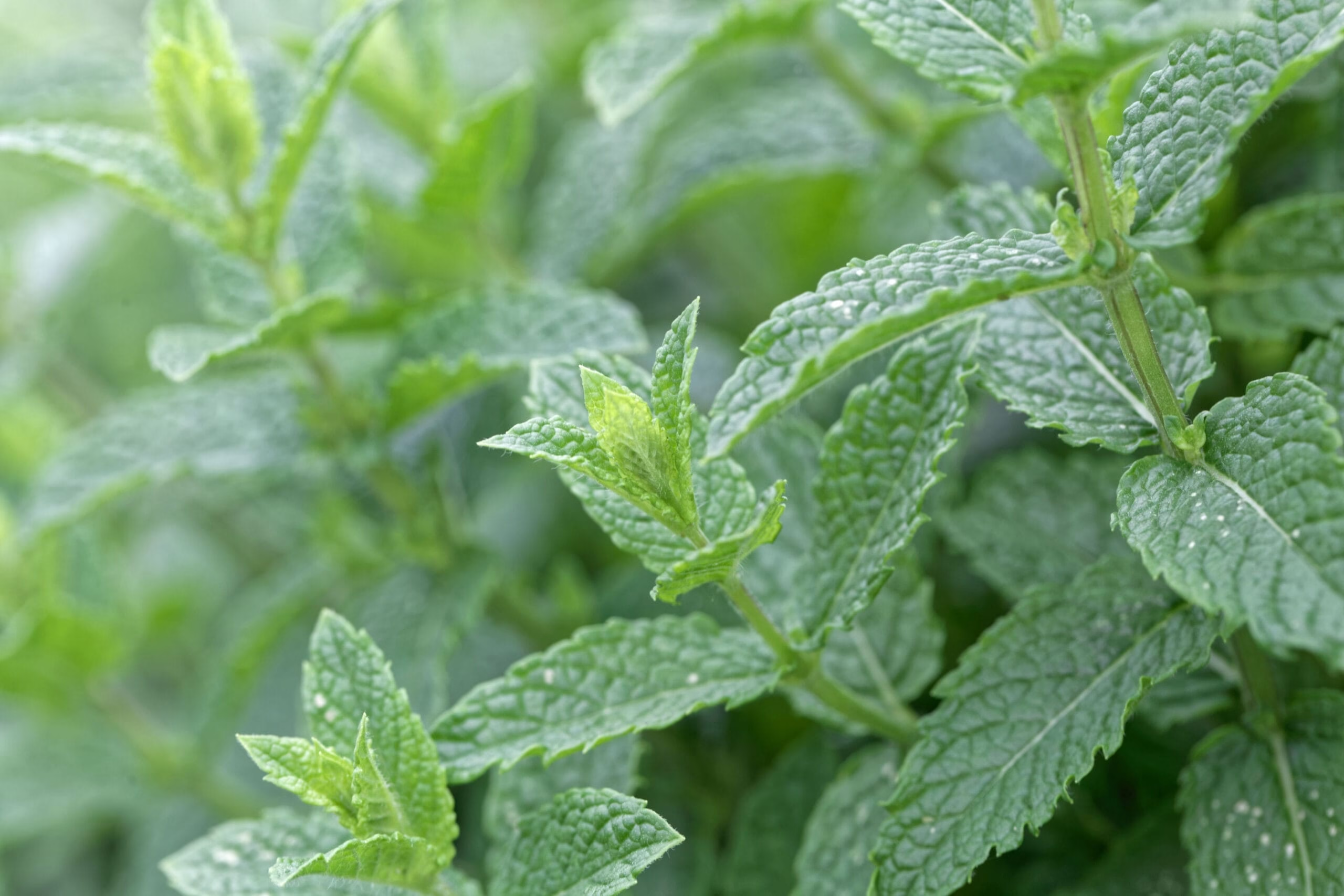
Spearmint (Mentha spicata), also known as garden mint or green tea mint, is one of the oldest and most widespread plants in the mint family. It has a milder, sweeter taste than peppermint, which makes it especially popular in cooking, drinks and natural medicine.
Spearmint is rich in vitamins A and C, potassium, iron and flavonoids, and because it contains carvone instead of menthol it has a gentler effect on the body. It is best known for easing digestion, calming the nervous system and freshening the breath.
Quick facts
- Germination time: 10–15 days
- Germination temperature: 18–24 °C
- Time to harvest: 60–80 days
- Primary effects: digestive, refreshing, calming
- Vitamins/minerals: A, C, potassium, iron
- Effects on the body: aids digestion, reduces stress, brings a feeling of freshness
Growing spearmint at home
Spearmint can be grown in the garden, on the balcony or indoors all year round. It likes semi-shaded spots and regular moisture. It is a very rewarding plant that spreads quickly, so it is best planted in pots.
In smart gardens and smart planters such as SIMPLY and AURELIA, growing spearmint is even easier – the plant gets optimal moisture and light without daily effort.
Planting spearmint from seed or cuttings
- Sow the seeds shallowly in a light substrate or use smart soil pods with seeds.
- Keep the substrate moist and provide plenty of light.
- Spearmint is easy to propagate from cuttings – simply root the stems in water.
- Harvest regularly to encourage new growth.
Growing in Simply and Aurelia smart gardens
Our SIMPLY and AURELIA smart gardens let spearmint grow hassle-free, with automatic watering and perfect light conditions.
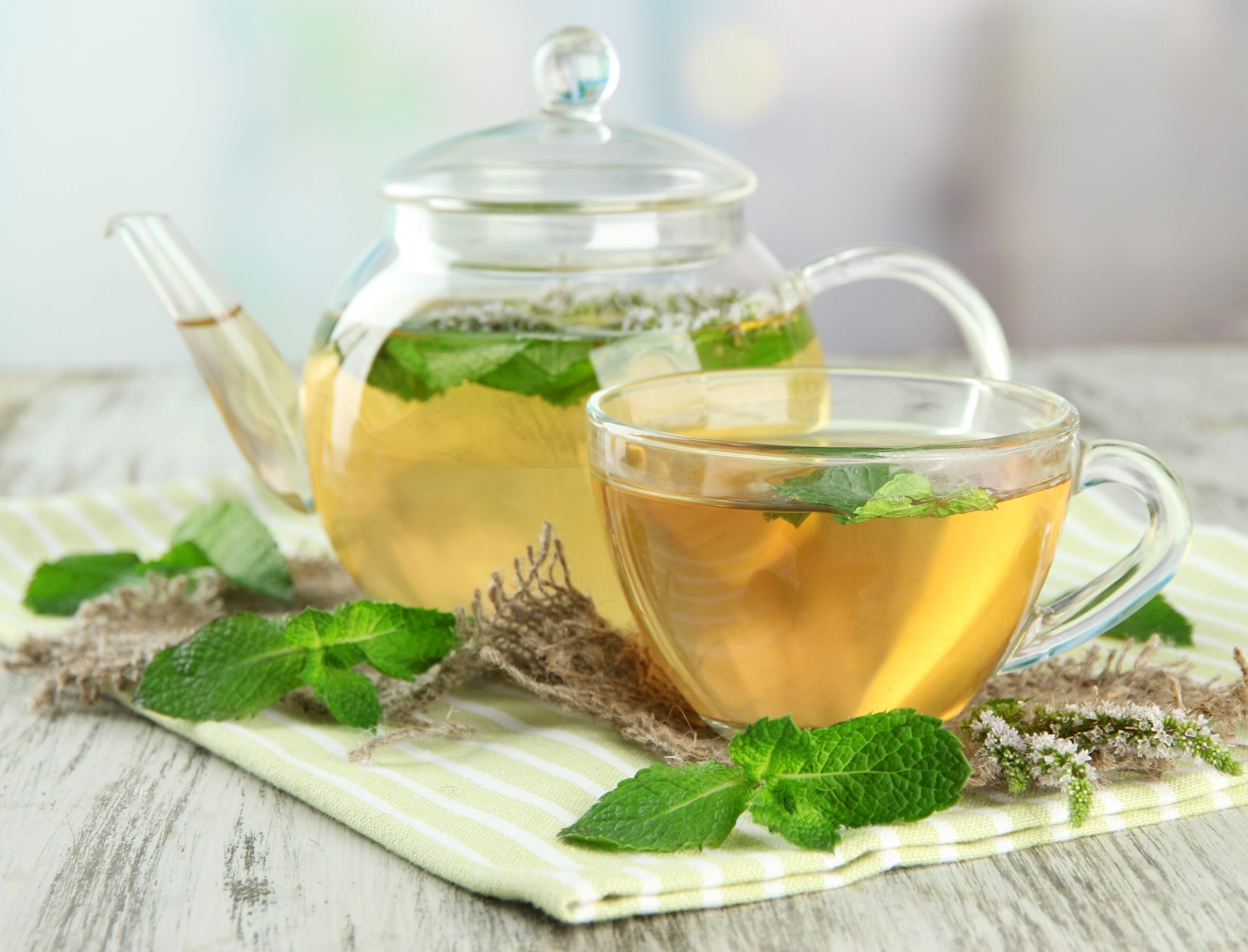
This means you can have fresh spearmint leaves all year round – ideal for teas, cocktails, smoothies and dishes.
How to harvest spearmint so it keeps growing
- Regularly pinch off the tops of the plant.
- Leave the lower leaves so the plant can continue photosynthesis.
- The best time to harvest is in the morning, before strong sunlight.
Common problems and solutions
| Problem | Possible cause | Solution |
| Weak growth | Too little light or planting too densely | Move the plant, thin out the planting |
| Yellow leaves | Too much water | Reduce watering, use a better substrate |
| Loss of aroma | Lack of sunlight | Move to a brighter spot |
| Pests | Aphids, mites | Use natural repellents |
| Mould | Too much moisture, poor ventilation | Improve air flow |
The difference between spearmint and other mints
- Spearmint (Mentha spicata): milder taste, less menthol, ideal for cooking and drinks.
- Peppermint (Mentha × piperita): stronger, more mentholated, more common in teas and medicine.
- Lemon Balm (Melissa officinalis): citrus aroma, sedative effect.
How to store spearmint
- Fresh stems in water: short-term storage for a few days.
- Freezing: chop the leaves and freeze in bags or in ice cubes.
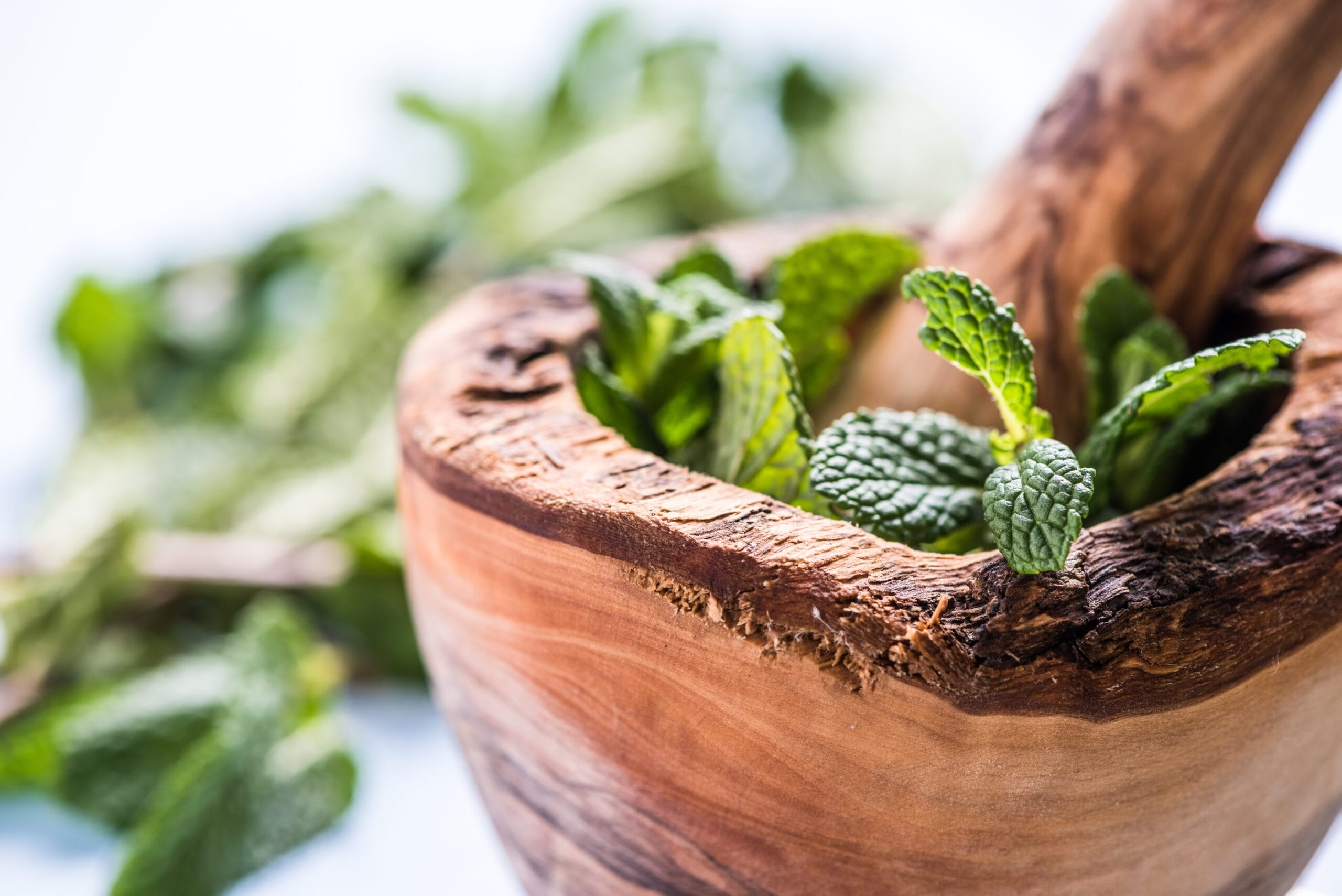
- Drying: dry the leaves in the shade and store in airtight containers.
- Spearmint syrup: make a concentrated syrup for cocktails and drinks.
Conclusion
Spearmint is a versatile and rewarding plant that brings freshness and health to every home. With the SIMPLY and AURELIA smart gardens, you can have it close at hand at all times – for tea, cocktails, salads or as a natural ally against stress and digestive troubles.