







What is basil, what is it good for and how do you grow it at home?
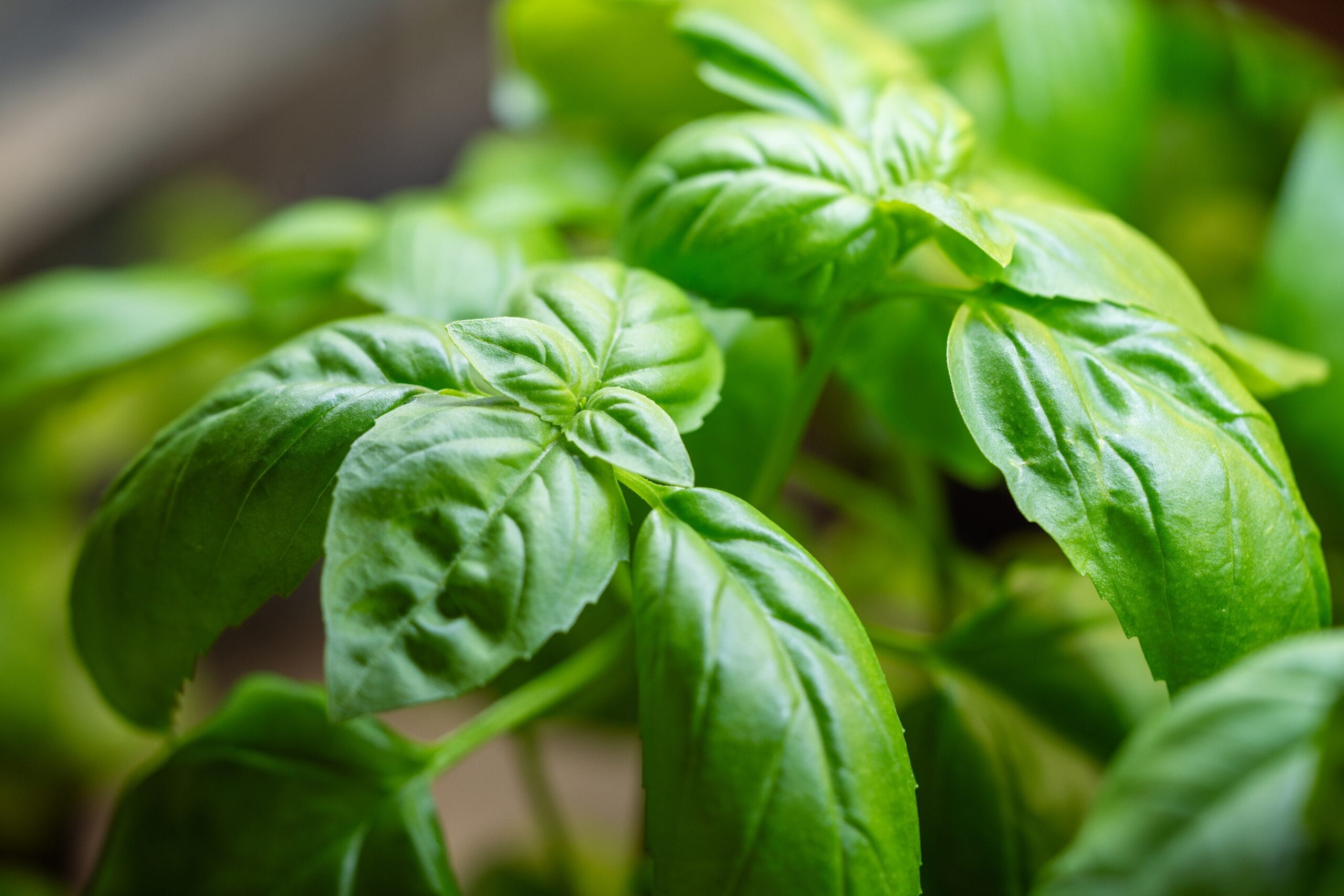
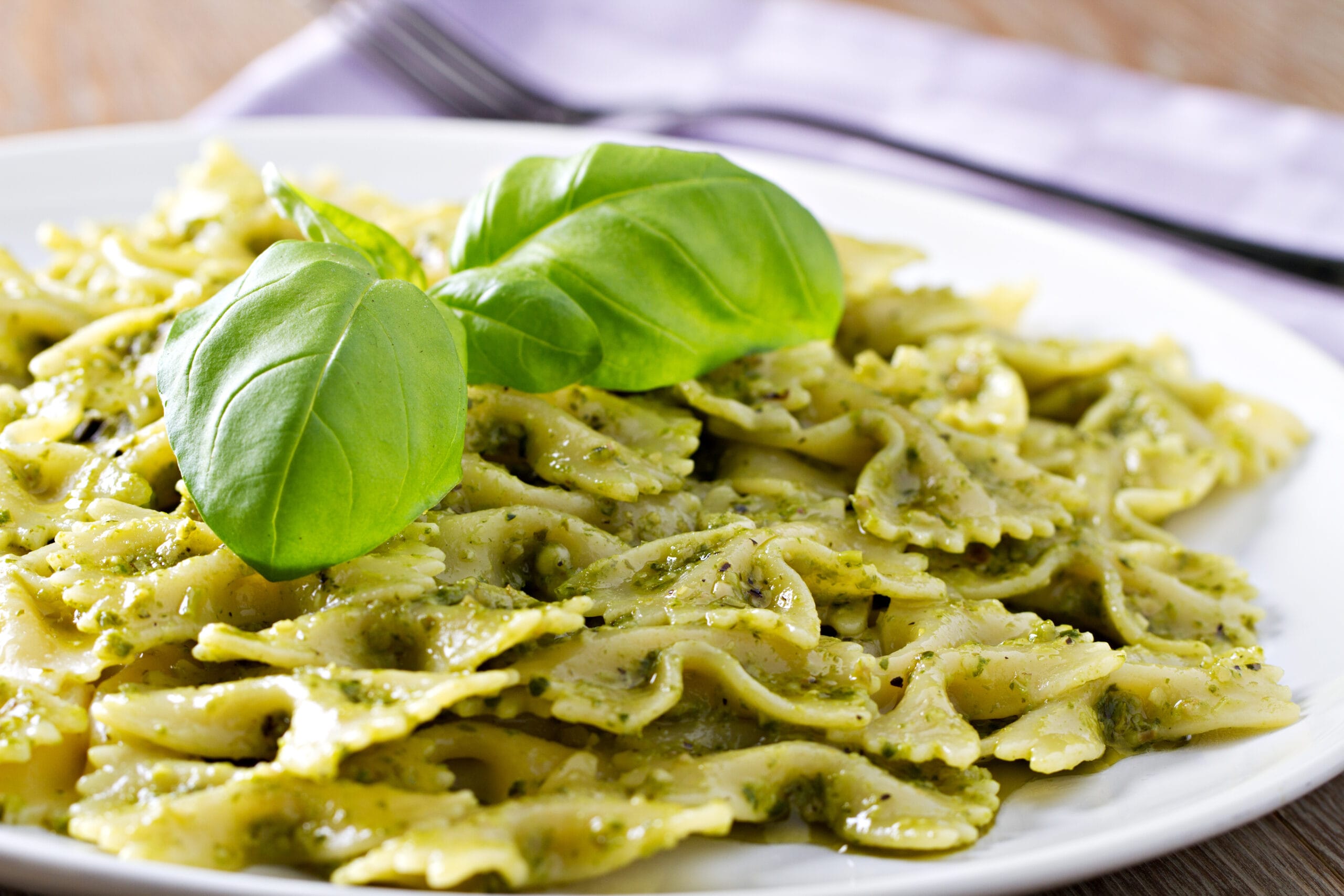
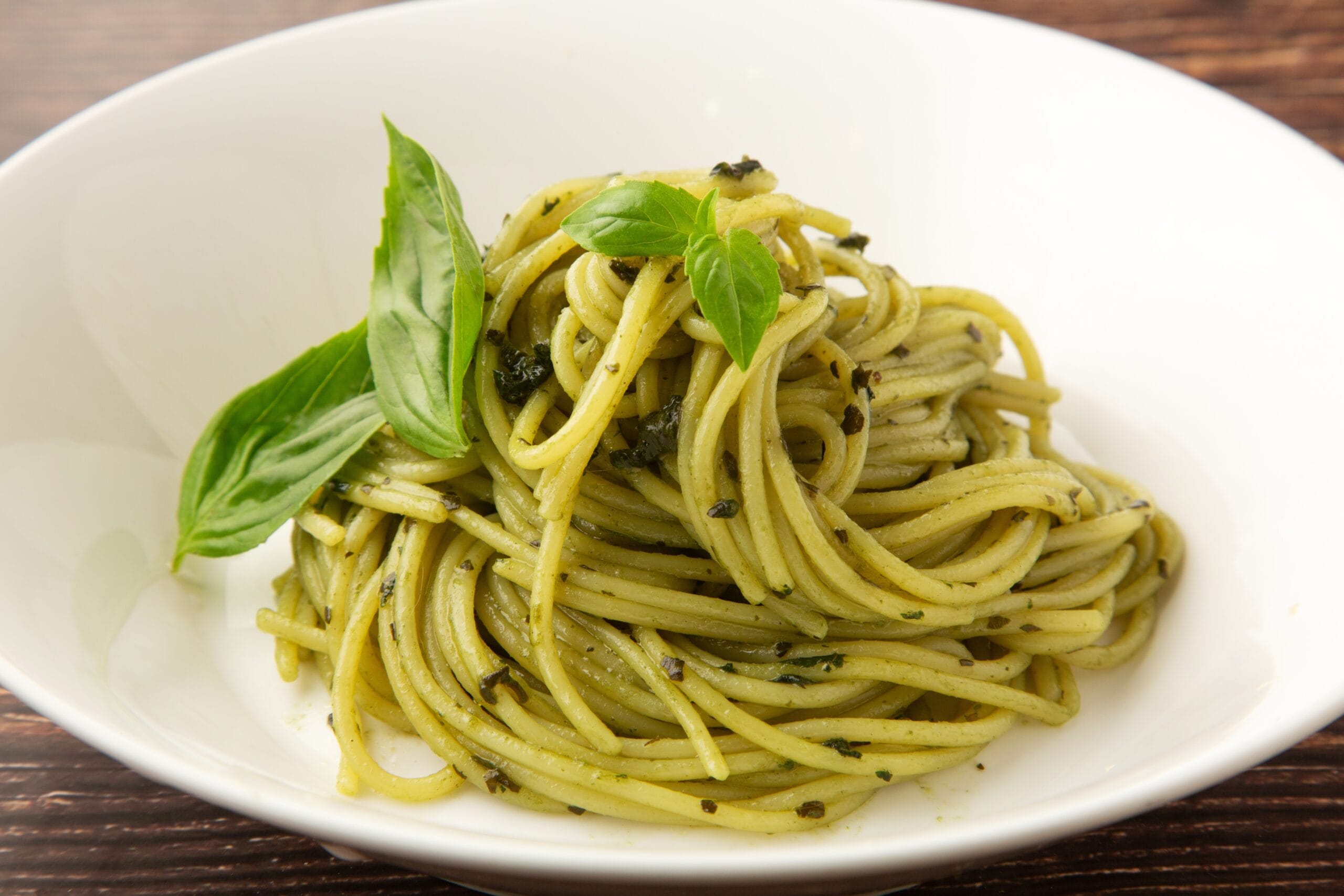
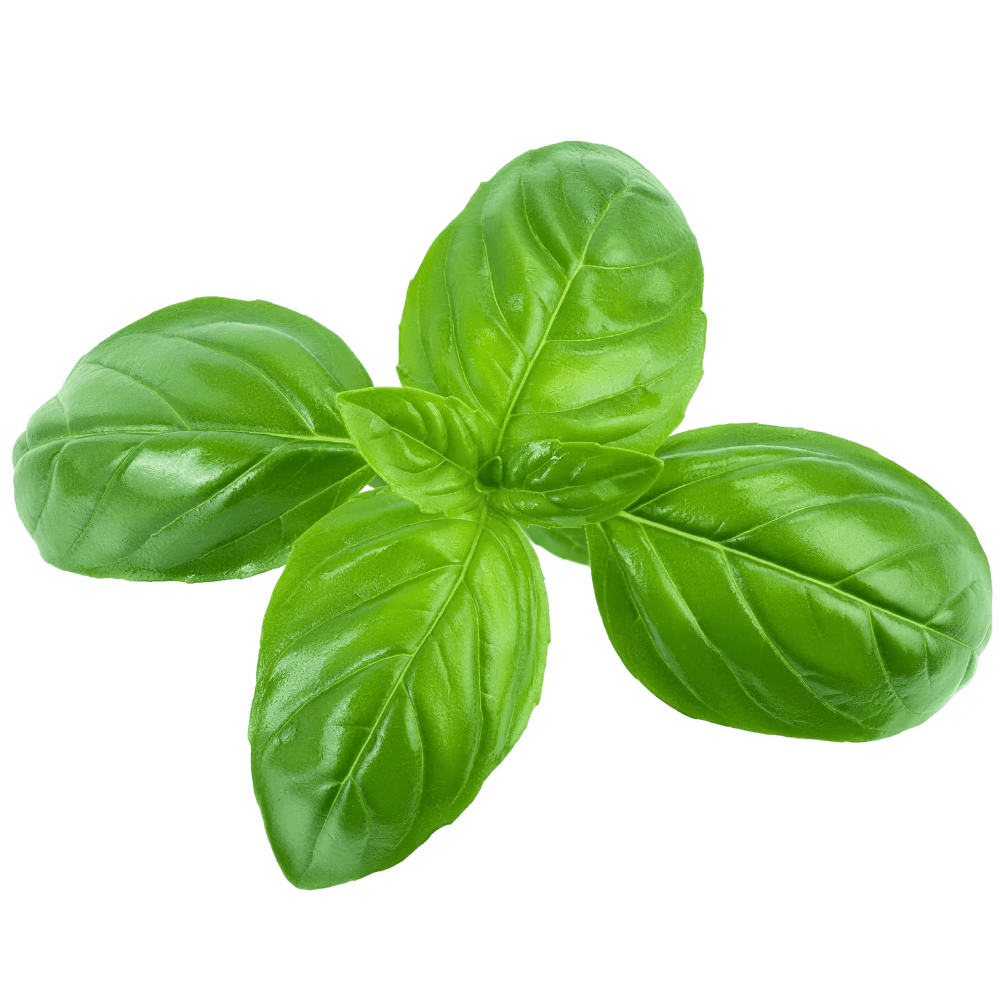
Genovese Basil (Ocimum basilicum) is one of the best-known and most highly prized basil varieties – aromatic, medicinal and indispensable in the kitchen and in natural medicine. It is often called “the king of herbs” thanks to its rich scent and wide range of uses.
As well as being a key ingredient of Mediterranean cuisine, it is rich in vitamins A, K and C, minerals such as magnesium and iron, and plant compounds with antioxidant effects.
Growing basil at home
Basil can be grown in the garden, on the balcony or indoors all year round. With proper care, this plant grows quickly and produces an abundance of leaves. Indoors, aim for 12–16 h of light a day (LED), with the lamp ~20–30 cm from the tops.
Planting basil from seed
- Choose a pot with drainage holes or a smart planter with automatic irrigation.
- Use a light, well-drained growing medium, or use smart soil with nutrients.
- Sowing – sow the seeds shallowly, lightly covered with a thin layer of soil.
- Moisture – keep moisture moderate, with no standing water.
- Light – provide 12–16 hours of light a day.
Growing in Simply and Aurelia smart gardens
Our smart gardens let you grow basil without transplanting, with automatic irrigation and optimal lighting. That means you can have fresh leaves all year round – in the kitchen, living room or office.
How to harvest basil so it keeps growing
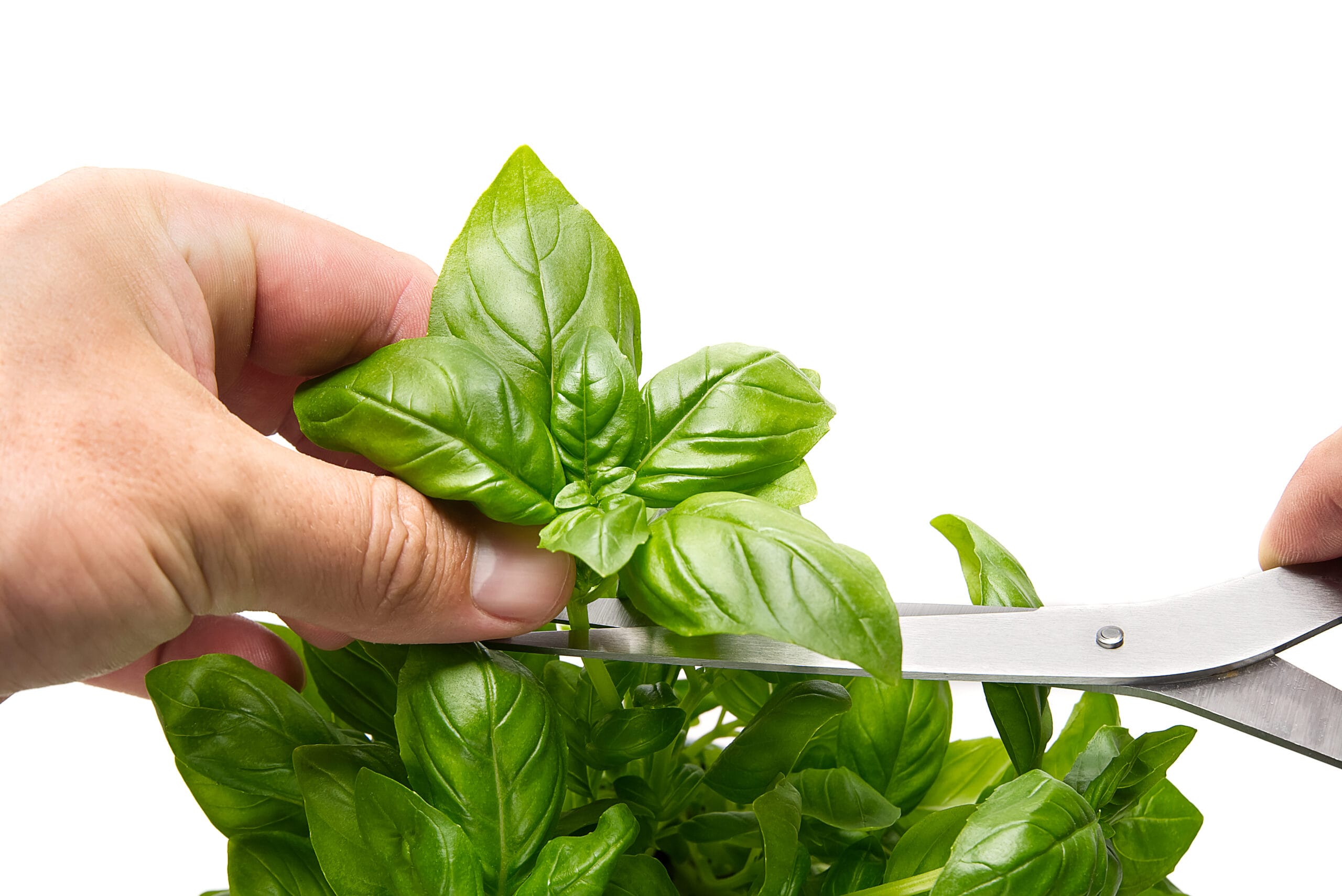
- Pick the young tops above the second pair of leaves – this encourages branching and new growth.
- Do not pull out the whole stem; pick the top leaves regularly instead.
- It is best to pick in the morning, when the concentration of essential oils is at its highest.
Common problems and solutions
| Problem | Possible cause | Solution |
| Yellow leaves | Too little light, too much water | Move to a brighter spot, adjust watering |
| Curling leaves | Dry air, lack of water | Increase air humidity, water regularly |
| Weak growth | Overcrowded planting, lack of nutrients | Thin out the plants, add organic fertiliser |
| Pests (aphids, whiteflies) | Poor air circulation | Remove by hand, use natural repellents |
| Mould | Excess moisture, poor ventilation | Ensure airflow and moderate watering |
The difference between Genovese basil and holy basil (tulsi)
Although they share the name “basil”, these are two different plants:
- Genovese Basil (Ocimum basilicum) – a culinary variety, intensely aromatic, used fresh and dried, rich in vitamins and antioxidants.
- Holy basil (tulsi) (Ocimum tenuiflorum / sanctum) – a traditional Ayurvedic plant, known for its adaptogenic properties and distinctive taste.
How to store basil
Basil is delicate and quickly loses its aroma, so it needs to be stored properly:
- Fresh leaves in water – keep the stems in a glass of water at room temperature.
- Freezing – wash and dry the leaves, then freeze them whole or chopped in olive oil.
- Drying – dry in the shade, away from direct sun, then store in airtight containers.
- Basil oil – chop the leaves and steep them in olive oil for flavouring.
- Do not keep in the fridge below 10 °C – it loses its aroma and darkens.
Conclusion
Genovese Basil is not just a herb – it is a plant that enriches your menu, brings a feeling of freshness to your space and offers nutritional support for your health. Whether you grow it on a windowsill, in the garden or in a SIMPLY/AURELIA smart garden, you can have fresh basil every day of the year.