







What is red basil, what is it good for and how do you grow it at home?
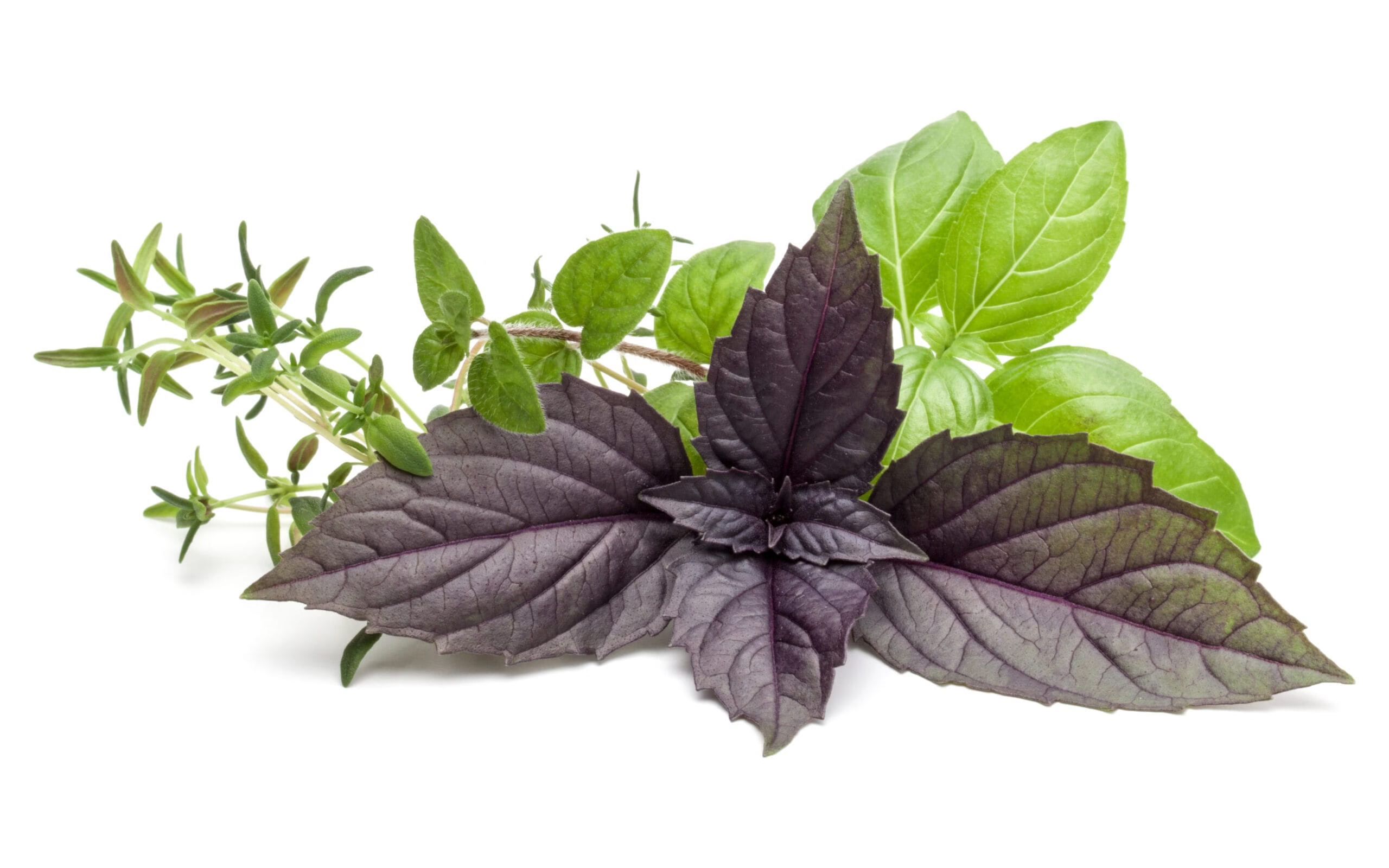
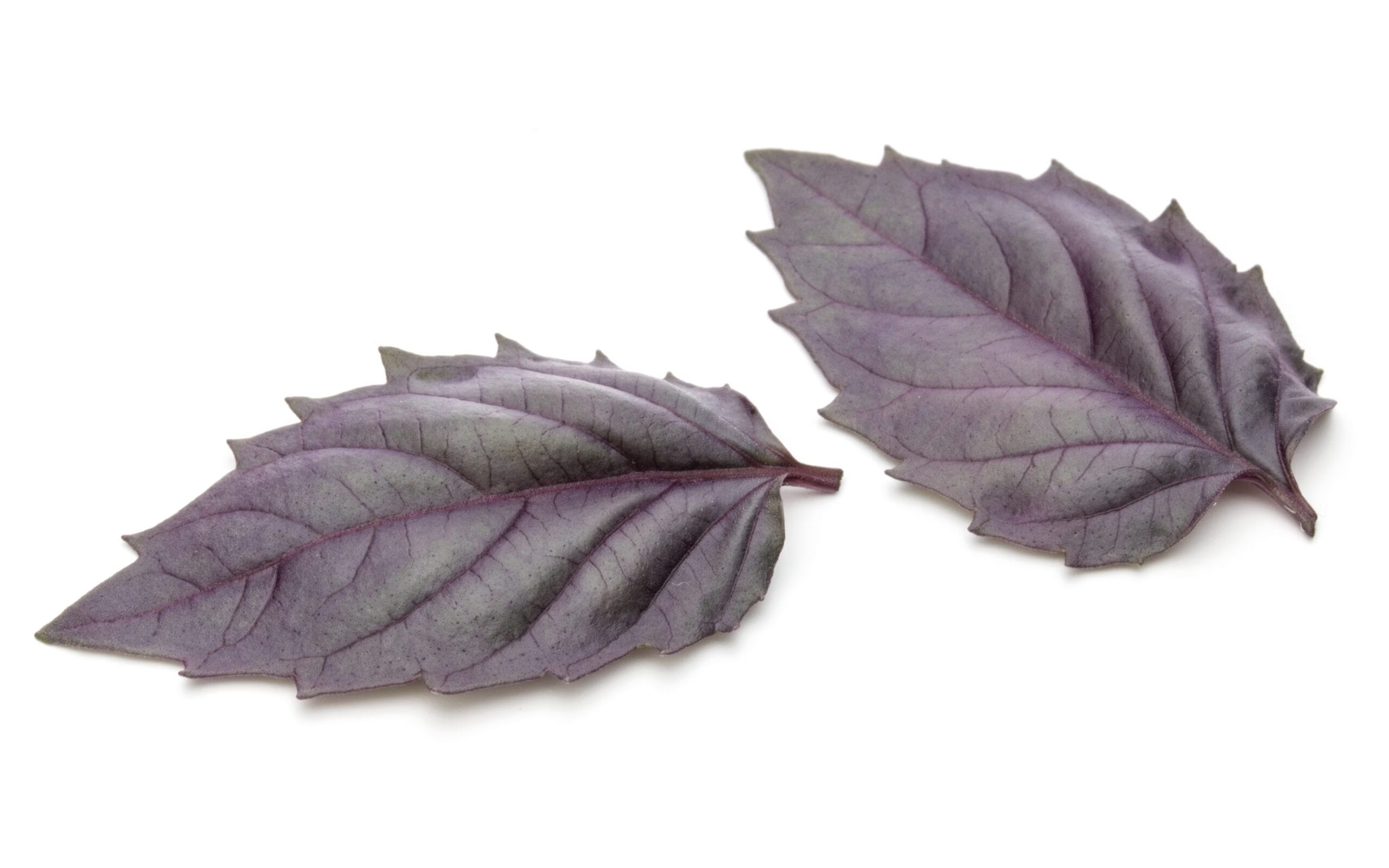
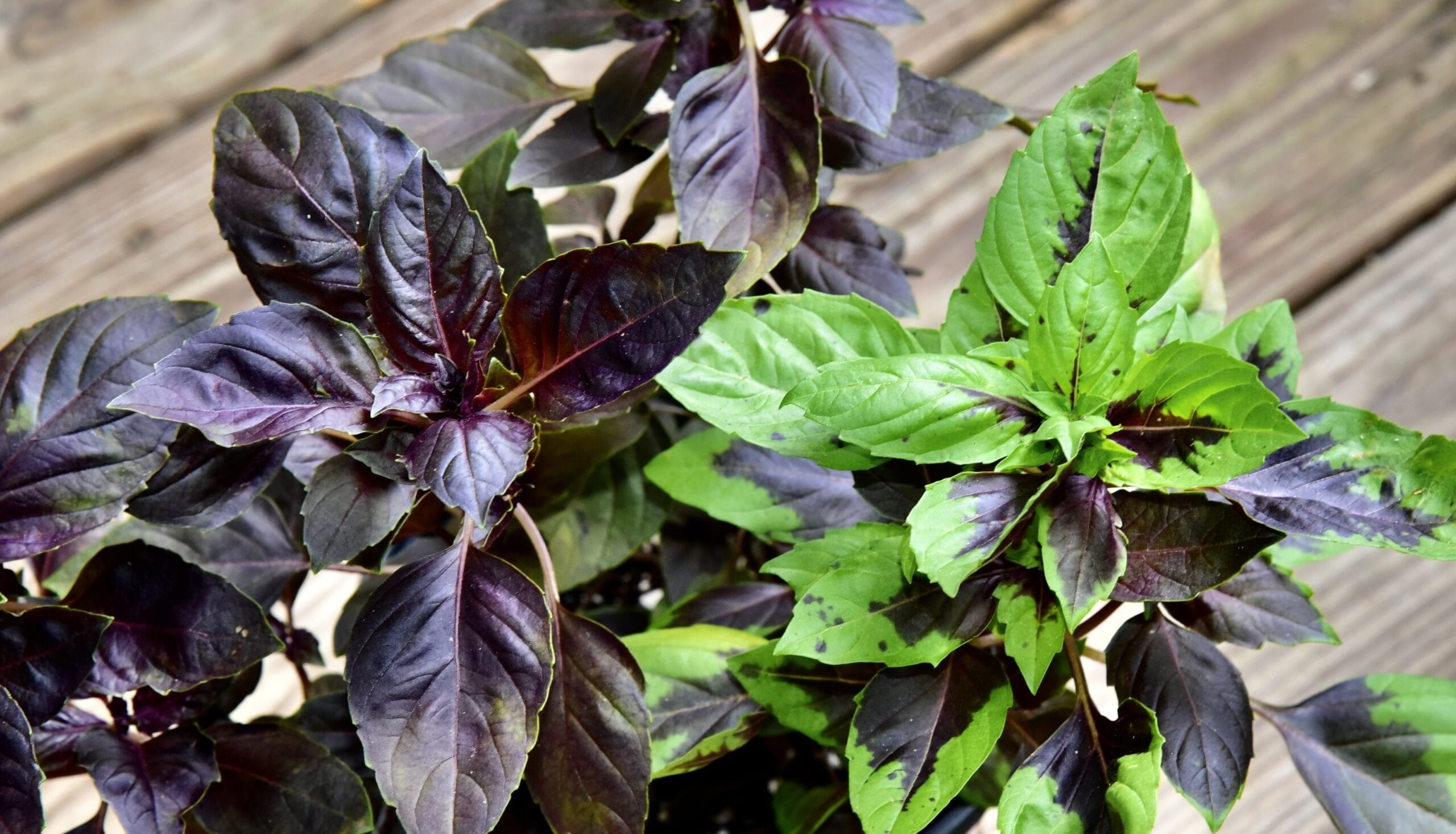
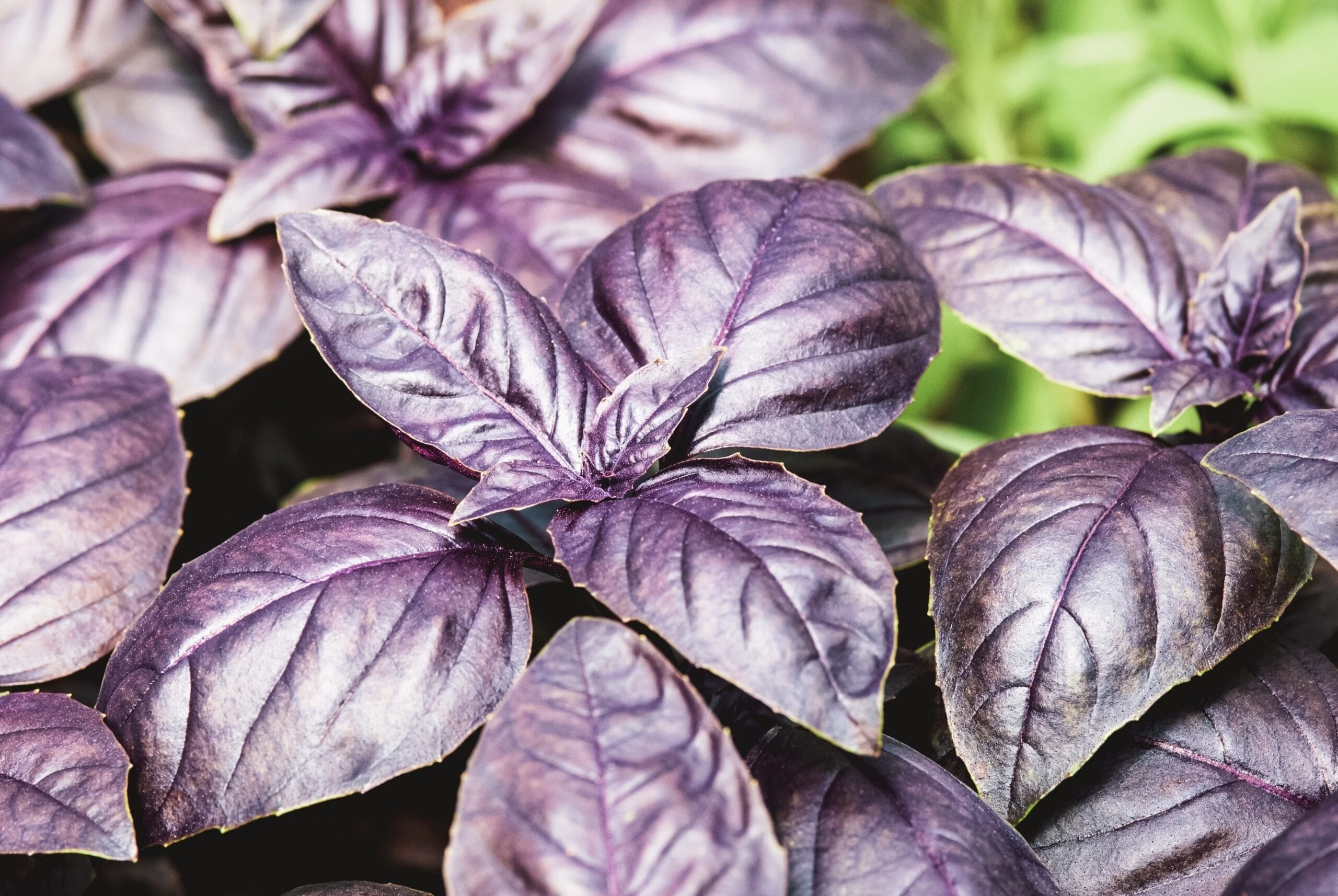
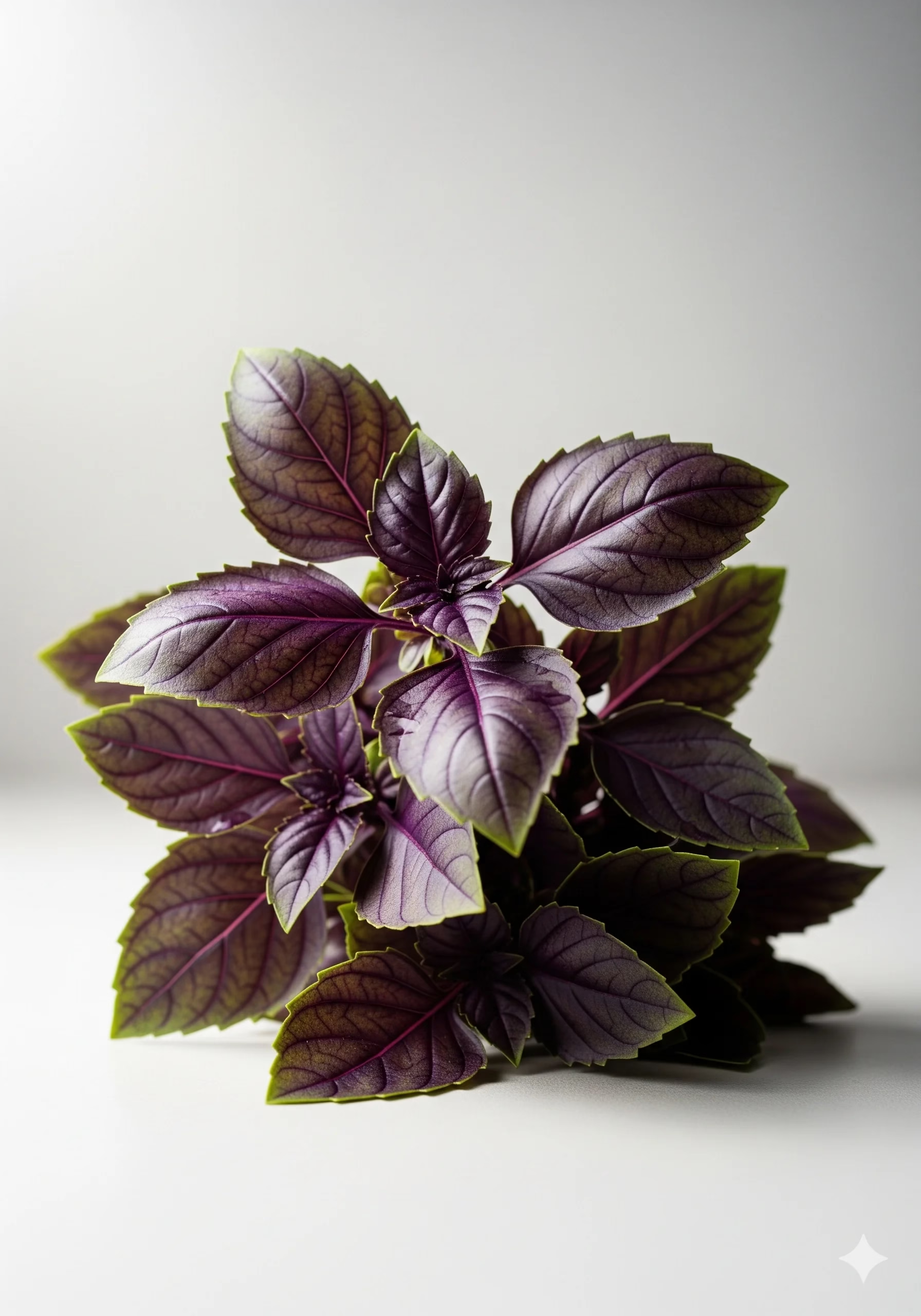
Red basil (Ocimum basilicum ‘Dark Opal’) is a special variety of basil known for its dark purple leaves and intense aroma. As well as being used in cooking, it is often grown as an ornamental plant, as its appearance enhances any garden or interior.
The leaves have a sweet, spicy aroma with notes of clove, and are used in salads, sauces, vinegar, flavoured oil and as a garnish for dishes. Beyond its culinary value, red basil is rich in anthocyanins – powerful antioxidants – as well as vitamins A, K and C and minerals such as iron and manganese.
Quick facts
- Germination time: 7–14 days
- Germination temperature: 20–25 °C
- Time to harvest: 60–70 days
- Primary effects: antioxidant, anti-inflammatory, immunity-strengthening
- Vitamins/minerals: A, K, C, iron, manganese
- Effects on the body: protects cells from oxidative stress, improves circulation, supports healthy skin
Growing red basil at home
You can grow red basil in the garden, on the balcony or indoors. It needs 12–16 hours of light per day (indoors with LED lighting) and a light, well-draining substrate. As well as providing aroma, it brings visual appeal to the space.
Planting red basil from seed
- Prepare a pot with drainage holes or a smart planter.
- Use a light, well-draining substrate or our smart soil with nutrients.
- Sow the seeds shallowly and cover them lightly with a layer of soil.
- Keep the moisture moderate, with no standing water.
- Provide plenty of light and warmth for strong growth and richly coloured leaves.
Growing in Simply and Aurelia smart gardens
Our smart gardens SIMPLY and AURELIA let red basil grow all year round – without stress, transplanting or daily watering. The automatic watering and LED lighting system ensures intense colour and rich flavour in the leaves all year round.
How to pick red basil so it keeps growing
- Regularly pinch off the stem tips above the second pair of leaves.
- This encourages branching and continuous growth.
- The leaves have their most intense aroma in the morning.
Common problems and solutions
| Problem | Possible cause | Solution |
| Leaves turning green | Too little light | Extend the lighting time (12–16 h) |
| Weak growth | Overcrowded planting, nutrient deficiency | Thin the plants, add fertiliser or use smart soil |
| Yellow leaves | Too much water, poor drainage | Reduce watering, use a well-draining substrate |
| Pests | Aphids, whiteflies | Remove by hand or use natural repellents |
| Mould | Too much moisture, poor ventilation | Improve airflow and reduce moisture |
The difference between red basil and regular basil
- Red basil (Dark Opal): purple leaves, attractive appearance, used both as decoration and in cooking.
- Genovese basil: the classic green variety, ideal for pesto and sauces.
- Thai and Holy basil: exotic varieties with notes of anise and medicinal properties.
- Lemon and cinnamon basil: aromatic varieties with citrus and warm notes.
How to store red basil
- Fresh stems can be kept in a glass of water at room temperature.
- Freeze the leaves whole or chopped in olive oil.
- Drying in the shade preserves the colour and aroma – great for teas and spice blends.
- Flavoured oil with the purple leaves gives dishes a special look and taste.
- Do not store in the fridge below 10 °C, as the leaves lose their colour and darken.
Conclusion
Red basil is not just a seasoning, but also a decorative and medicinal plant. Its appearance enriches the space, and its nutrients support health. With our SIMPLY and AURELIA smart gardens, you can grow it all year round – easily, without stress and always fresh at hand.