


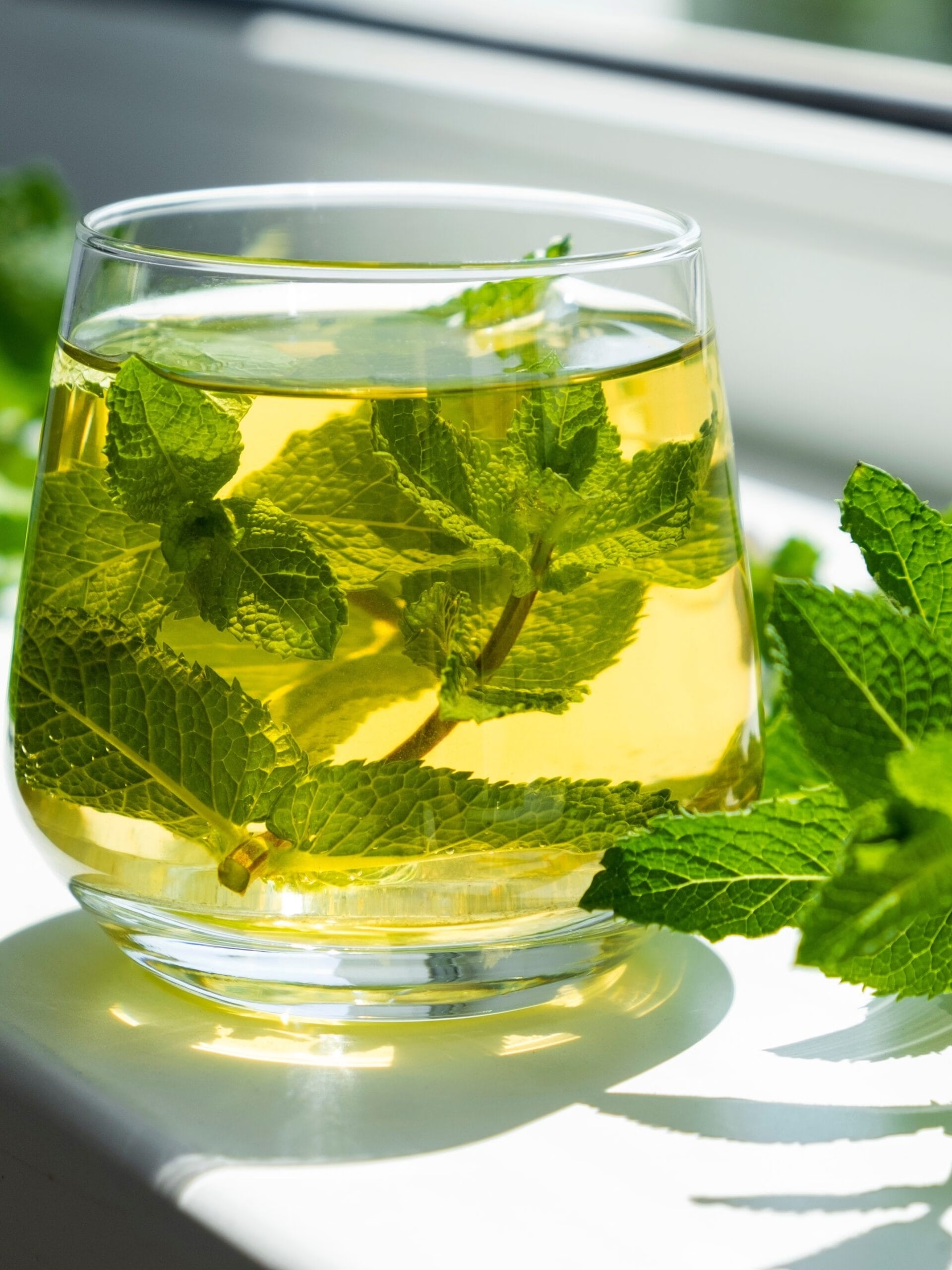





What is peppermint, what is it good for and how do you grow it at home?
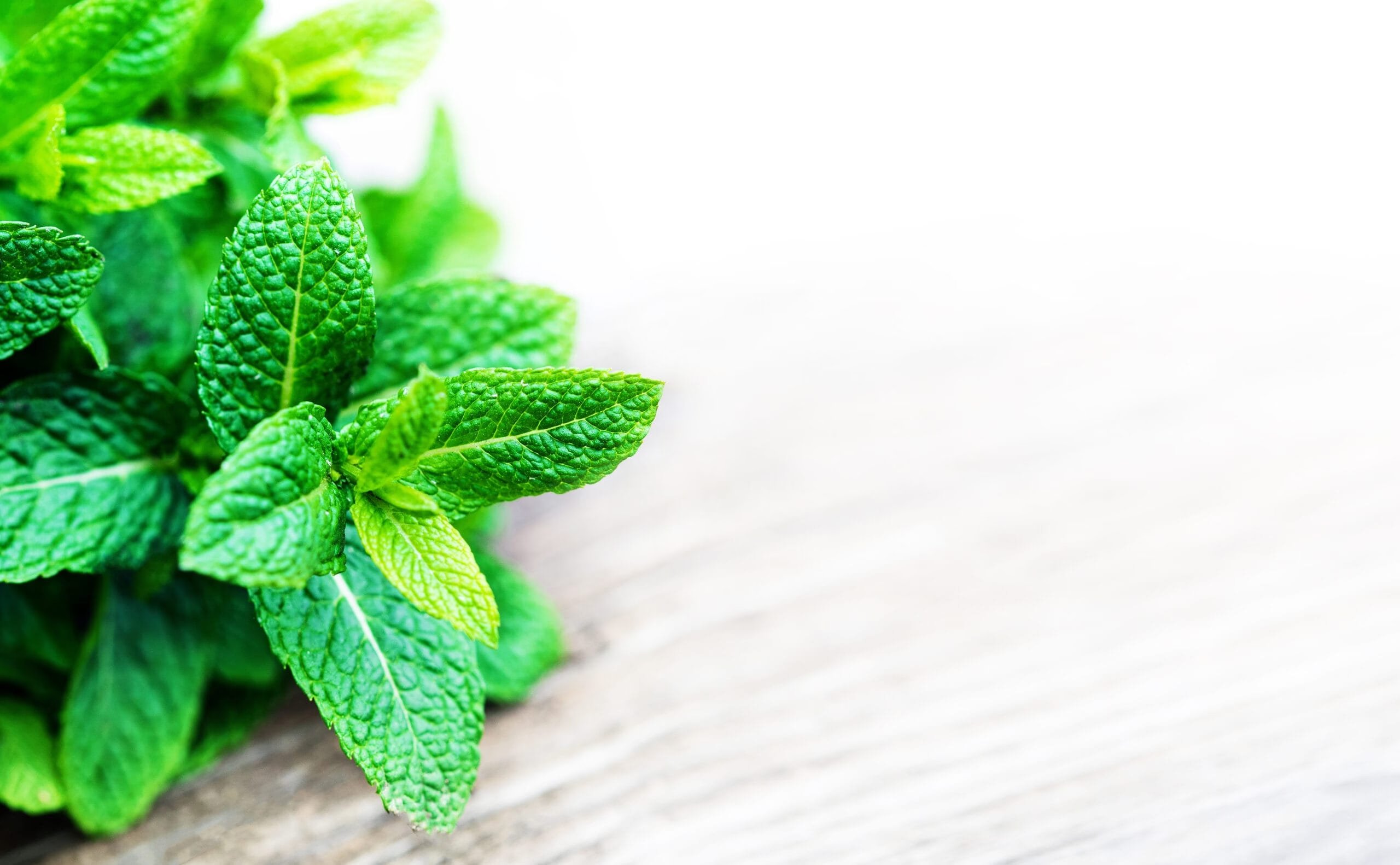
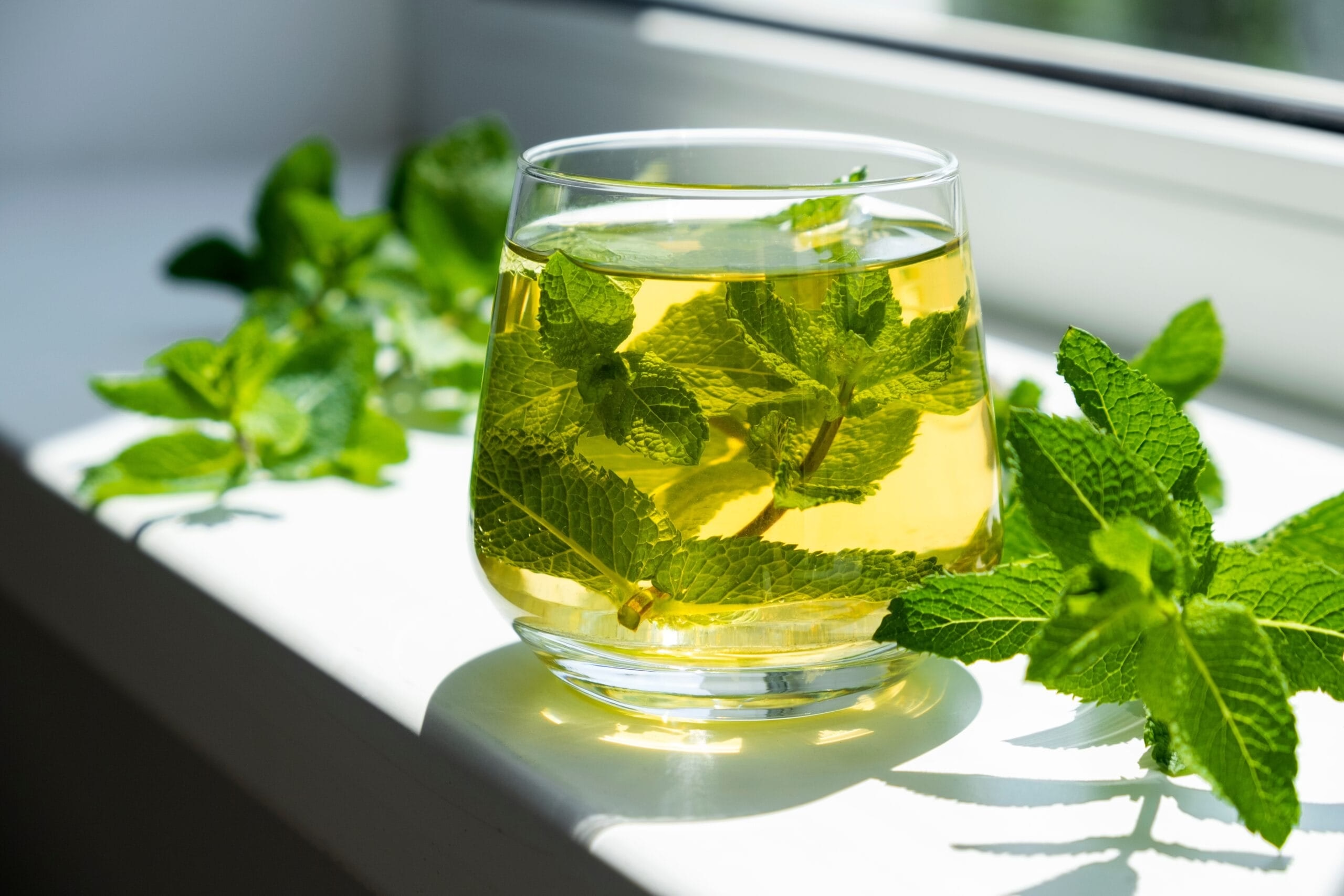
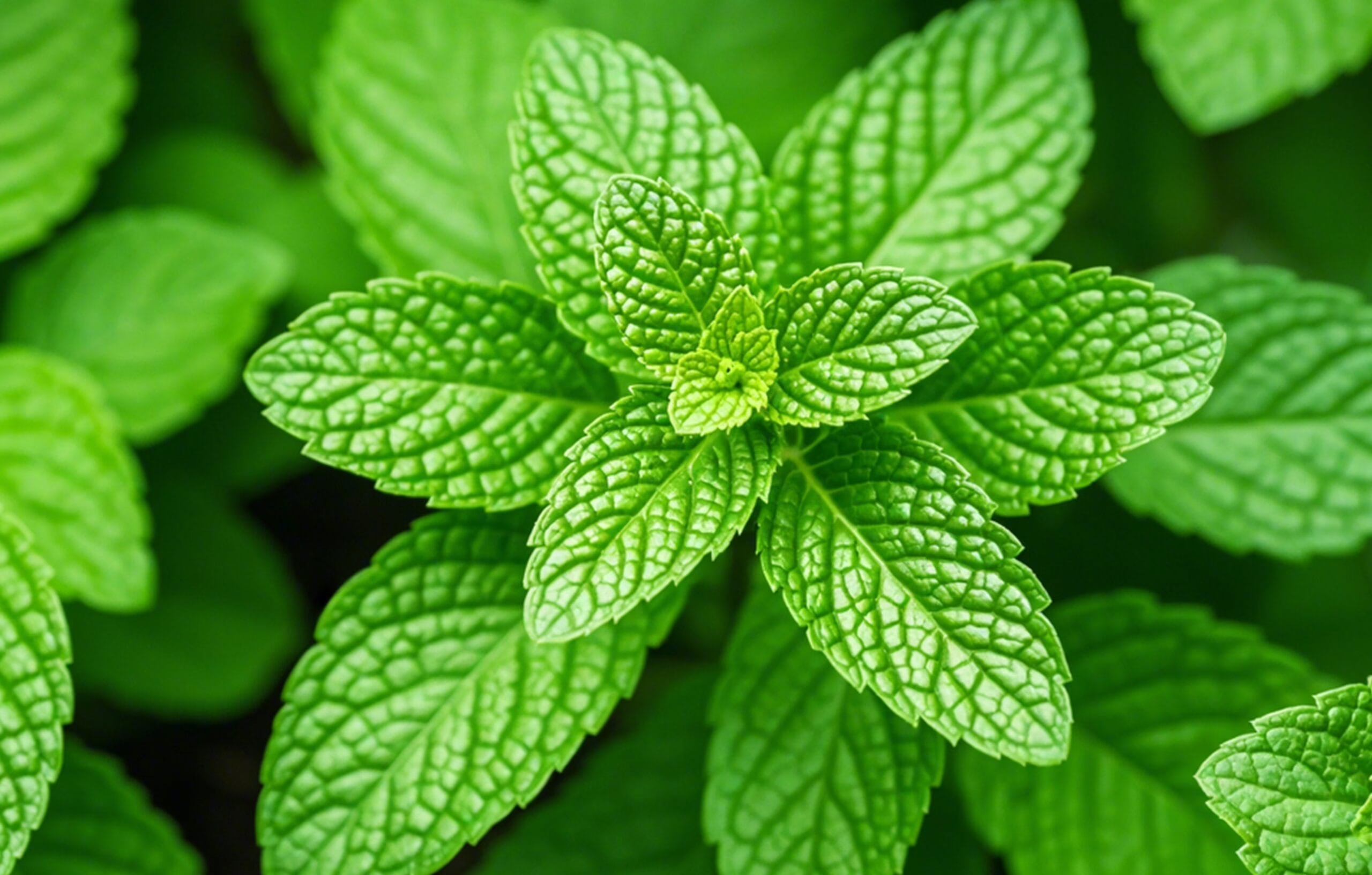
Peppermint (Mentha × piperita) is one of the best-known medicinal plants in the world. It is prized for its intense aroma, high menthol content and many beneficial effects on health. It is most often used for teas, essential oils and tinctures, but also as an addition to dishes and drinks.
As well as delivering a powerful feeling of freshness, peppermint is rich in vitamins A and C and minerals such as calcium, iron and magnesium, while its bioactive compounds have digestive, calming and antibacterial effects.
Quick facts
- Germination time: 10–15 days
- Germination temperature: 18–24 °C
- Time to harvest: 70–90 days
- Primary effects: digestive, calming, antibacterial
- Vitamins/minerals: A, C, calcium, iron, magnesium
- Effect on the body: eases digestive discomfort, reduces stress, freshens the breath and airways
Growing peppermint at home
Peppermint does best in partial shade, with constant moisture and a well-draining growing medium. It can be grown in the garden, in pots or in smart planters. It is a very hardy plant, but it likes a regular harvest, as this encourages new leaf growth.
Planting peppermint from seed or cuttings
- Sow the seeds shallowly in a light growing medium or use smart soil with seeds.
- Keep the moisture even and do not let the medium dry out.
- Peppermint is very easy to propagate from cuttings – simply let a stem take root in water.
- Planting in pots is recommended, as it spreads faster than common mint.
Growing in the Simply and Aurelia smart gardens
Our SIMPLY and AURELIA smart gardens let you grow peppermint all year round – with no stress, watering or transplanting. The automatic irrigation system and optimal lighting preserve a high menthol level and the intense aroma of the leaves, ideal for teas, cocktails and natural preparations.
How to harvest peppermint so it keeps growing
- Regularly pick the top leaves and tips.
- Leave the lower leaves so the plant keeps growing.
- The aroma is strongest in the morning, when the concentration of essential oils is at its highest.
Common problems and solutions
| Problem | Possible cause | Solution |
| Weak growth | Too little light or nutrients | Increase the light, add organic fertiliser |
| Yellow leaves | Too much water or poor drainage | Reduce watering, use a more free-draining growing medium |
| Leaves losing aroma | Too little sun | Move the plant to a brighter spot |
| Pests | Aphids, mites | Use natural repellents or a soap solution |
| Mould | Too much moisture, poor ventilation | Reduce moisture, improve airflow |
The difference between peppermint and common mint
- Peppermint (Mentha × piperita): stronger aroma, higher menthol content, more often used in medicine and teas.
- Mint (Mentha suaveolens): milder flavour, more common in cooking and cocktails.
- Lemon balm (Melissa officinalis): citrus aroma, more of a sedative effect.
How to store peppermint
- Fresh stems in water: can last several days at room temperature.
- Freezing: chop the leaves and freeze in bags or in ice cubes.
- Drying: dry in the shade and keep in airtight containers.
- Essential oil: distilling the leaves yields a menthol-rich oil widely used in aromatherapy.
Conclusion
Peppermint is a plant with thousands of years of traditional use – from digestive teas to essential oils for relaxation and refreshment. With the SIMPLY and AURELIA smart gardens, you can grow it fresh all year round, stress-free and always to hand.