







What is the wild strawberry, what is it good for and how do you grow it at home?
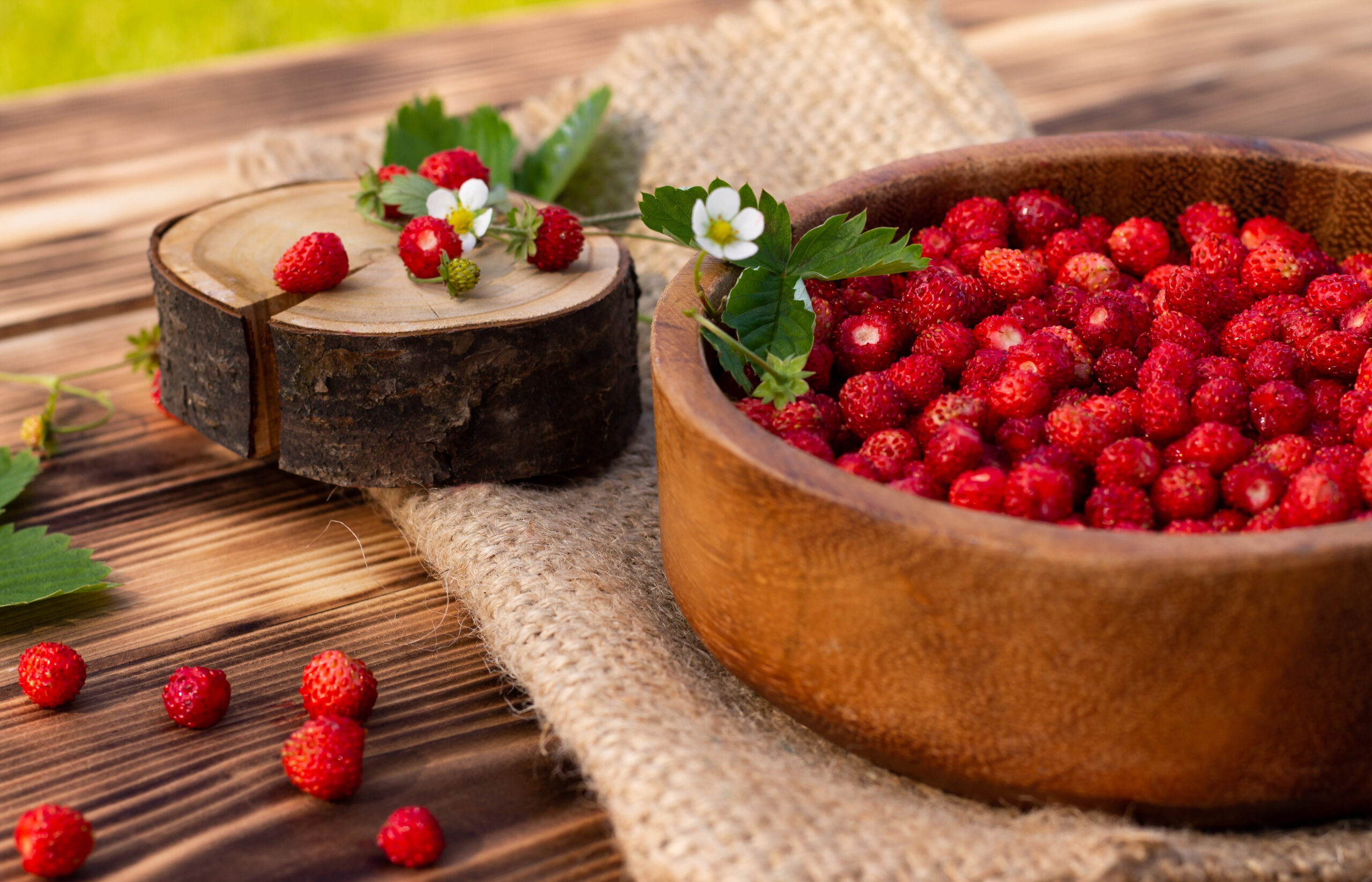
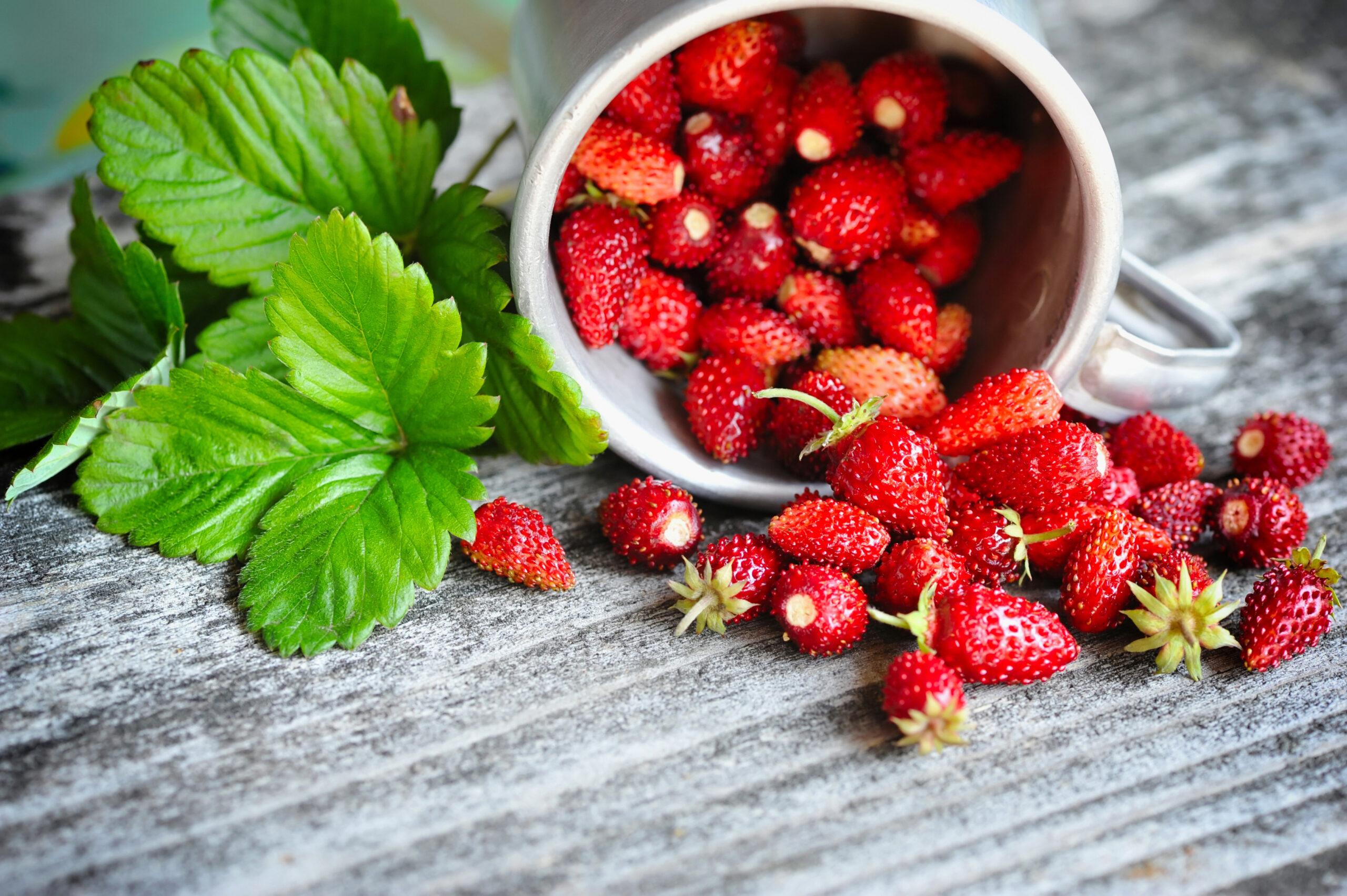
Wild strawberry (Fragaria vesca) is a small, aromatic and highly prized plant that has been used in food and folk medicine for centuries. The fruits are smaller than regular garden strawberries, but have a stronger scent and a richer flavour. Besides the fruits, the leaves are traditionally used for making teas.
Wild strawberries contain vitamins C and A, folic acid, manganese and antioxidants such as flavonoids. They are known for their mild diuretic and anti-inflammatory effects, and as natural support for the digestive system.
Quick facts
- Germination time: 14–28 days
- Germination temperature: 18–22 °C
- Time to first fruits: 120–150 days
- Primary effects: antioxidant, anti-inflammatory, digestive support
- Vitamins/minerals: C, A, folic acid, manganese, flavonoids
- Effects on the body: strengthens immunity, improves digestion, contributes to healthy skin
Growing wild strawberries at home
The wild strawberry thrives best in semi-shaded spots and loose, well-drained soil. It can be grown in the garden, on balconies or in containers indoors. Unlike the cultivated strawberry, it fruits for longer and is more resistant to disease.
In smart gardens such as SIMPLY and AURELIA, wild strawberries thrive without stress – automatic watering and optimal light ensure steady growth and a long-lasting harvest.
Planting wild strawberries from seed
- The seeds germinate slowly (14–28 days), so patience is needed.
- Sow on the surface and cover lightly with a thin layer of substrate.
- Keep the moisture constant, but avoid too much water.
- In smart gardens, use smart soil with seeds for easier growing.
Growing in SIMPLY and AURELIA smart gardens
Our smart gardens give wild strawberries perfect conditions for growth – from sprouting to fruiting. That means that at home you can enjoy sweet, fragrant strawberries all year round, with no special effort.
How to pick wild strawberries so they keep fruiting
- Pick ripe fruits as soon as they turn red – this encourages new flowers.
- Regularly remove older leaves for better growth.
- Fruits picked in the morning have the best flavour.
Common problems and solutions
| Problem | Possible cause | Solution |
| Weak growth | Too little light | Move to a brighter spot or use LED lighting |
| Yellow leaves | Nutrient deficiency | Add organic fertiliser or use smart soil |
| Mould on the fruits | Too much moisture | Ensure ventilation and balanced watering |
| Pests | Slugs, mites | Remove by hand, use natural repellents |
| Few fruits | Too little light or improper picking | Ensure enough light, pick regularly |
The difference between wild and garden strawberries
- Wild strawberry (Fragaria vesca): smaller, more aromatic fruits, more disease-resistant, often grows for longer during the year.
- Garden strawberry (Fragaria × ananassa): larger fruits, grown intensively for commercial use, shorter fruiting season.
How to store wild strawberries
- Fresh: eat straight away, as they quickly lose their aroma.
- Freezing: freeze the fruits whole or as a purée.
- Drying: possible, but some of the aroma is lost – better to use the leaves for teas.
Conclusion
Wild strawberry (Fragaria vesca) is a blend of irresistible flavour and health benefits. It brings antioxidants, vitamins and natural freshness to your diet. With the SIMPLY and AURELIA smart gardens, you can enjoy sweet, fragrant fruits all year round – effortlessly and always close at hand.