
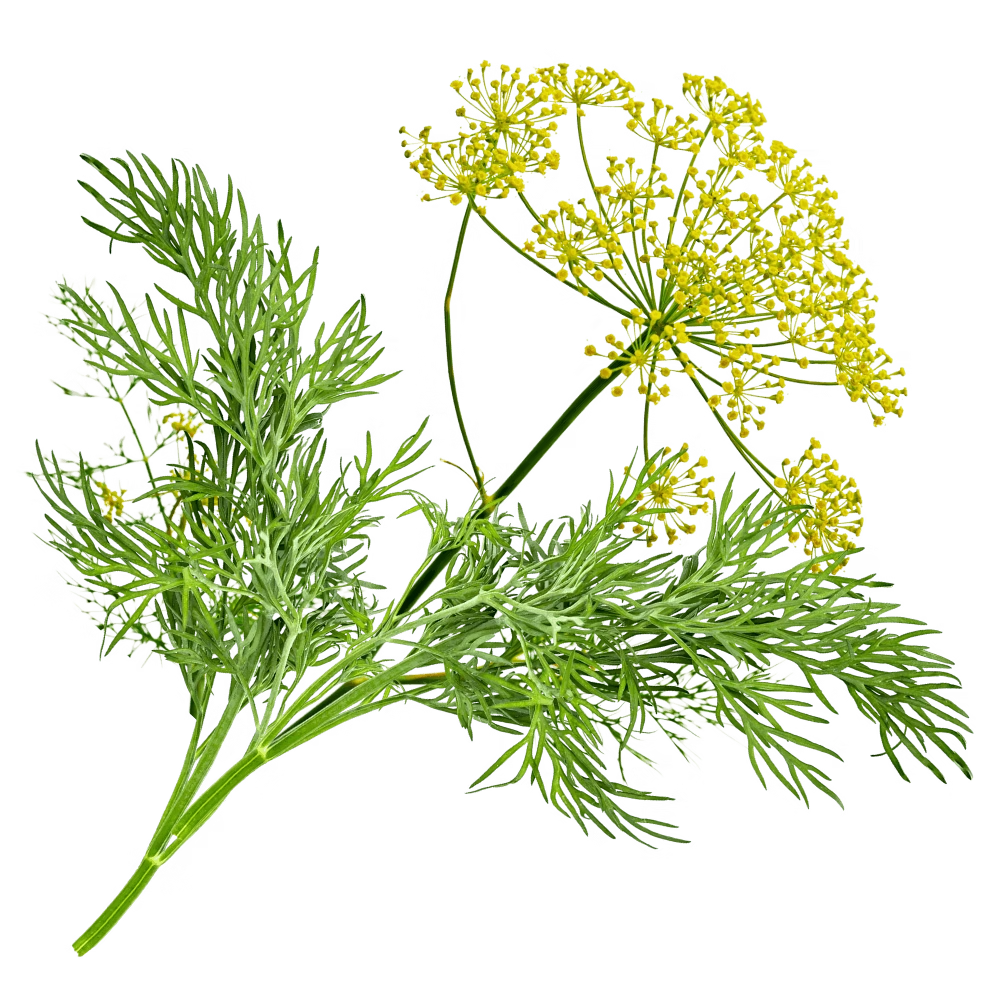







What is dill (Anethum graveolens), what is it good for and how do you grow it at home?
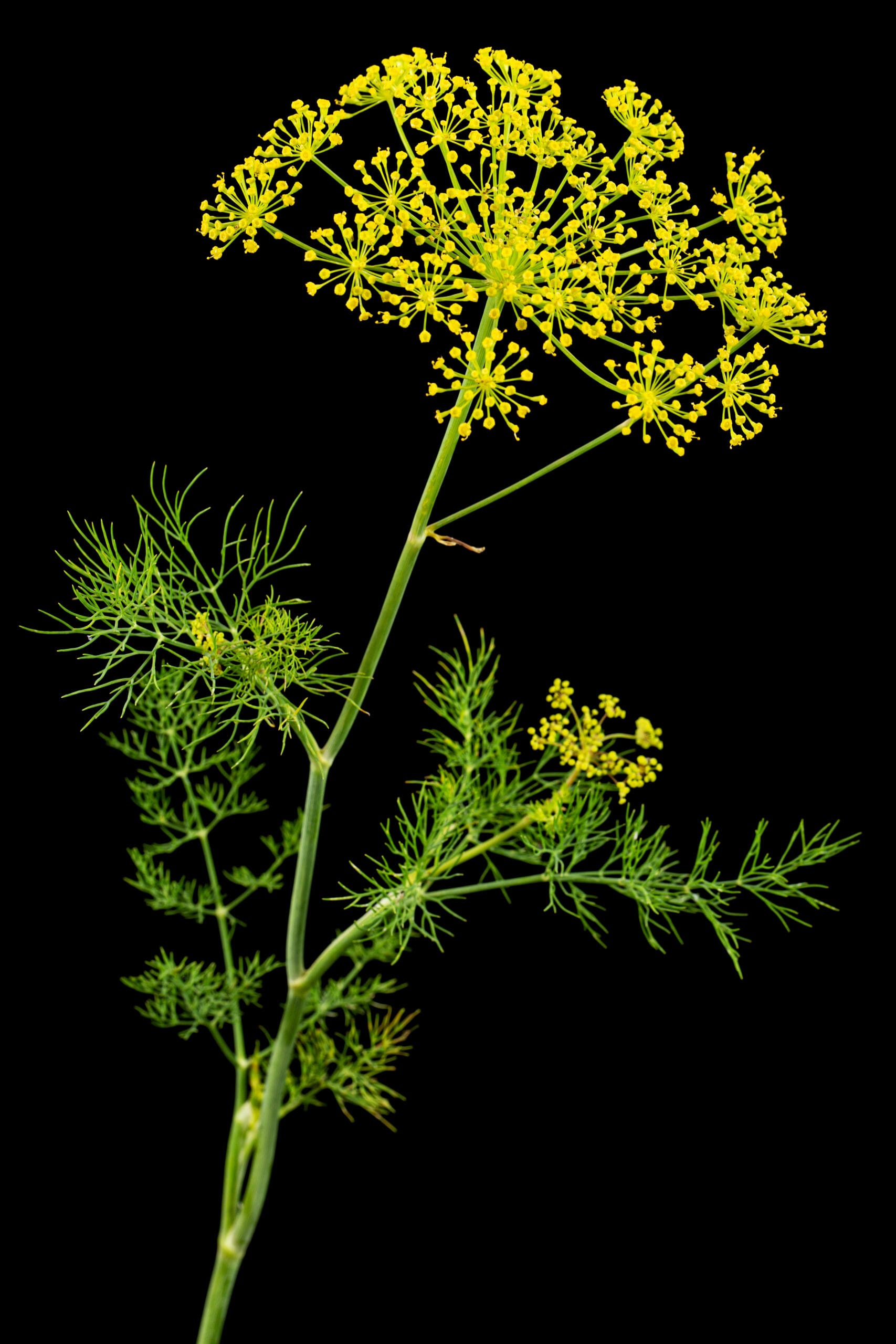
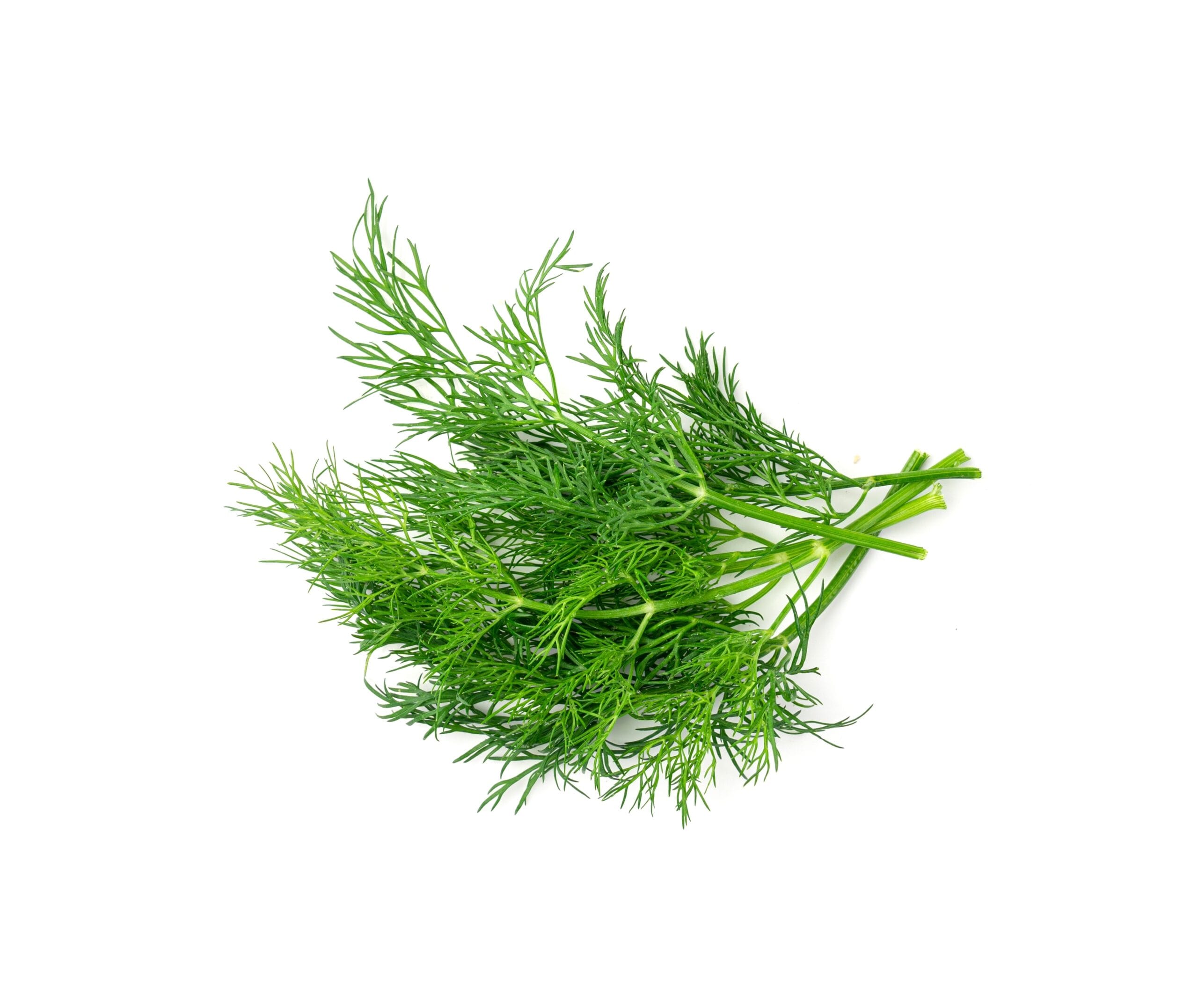
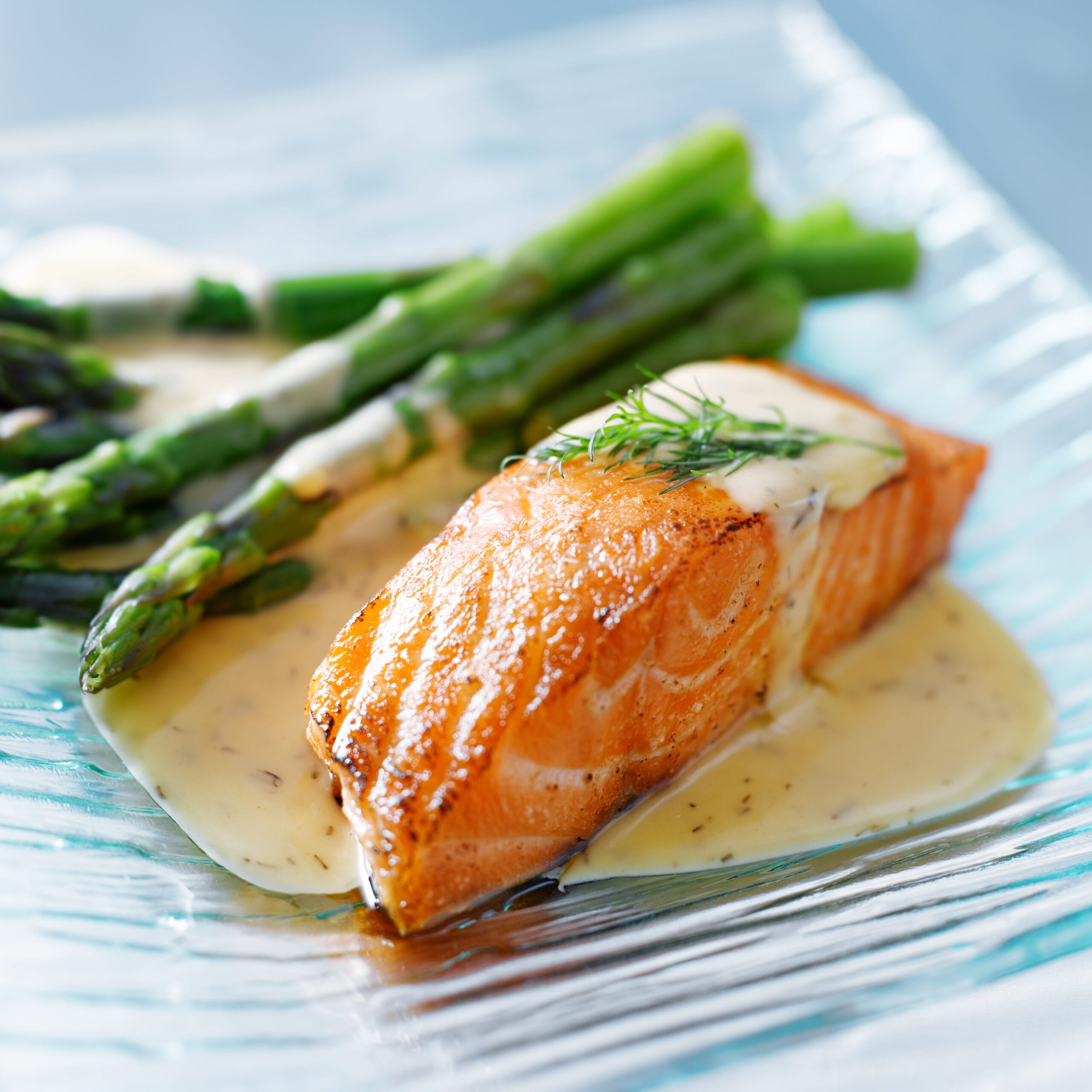
Dill is an aromatic annual plant from the carrot family (Apiaceae), recognisable by its thin, feathery leaves and distinctive fresh flavour. Its leaves, seeds and stems are used in cooking, especially with fish, cucumbers (pickles!), sauces, soups and salads. Beyond the kitchen, dill has been valued in folk medicine for centuries.
Nutritionally, it is rich in vitamins A and C, calcium, iron and magnesium, and it also contains essential oils with antibacterial and digestive effects.
Quick facts
- Germination time: 7–14 days
- Germination temperature: 15–20 °C
- Time to harvest: 40–60 days
- Primary use: cooking, medicinal use
- Vitamins/minerals: A, C, calcium, iron, magnesium, essential oils
- Effect on people: improves digestion, calms the body, has an antibacterial effect
Growing dill at home
Dill loves sunny spots and loose, well-drained soil. It is best sown directly, as it does not like transplanting. It grows quickly and is easy to grow in the garden, in containers on the balcony or indoors.
In smart gardens such as SIMPLY and AURELIA, dill gets automatic watering and optimal light, which means you can have it fresh all year round – with no stress or extra care.
Planting dill from seed
- Sow the seeds directly into a container or use smart soil with seeds.
- Keep it moist until seedlings emerge (7–14 days).
- Once sprouted, thin out the plants so they have enough space.
- In SIMPLY and AURELIA smart gardens the process is even simpler – no transplanting, and always ideal conditions.
Growing in Simply and Aurelia smart gardens
Our smart gardens mean you always have fresh dill to hand – whether for fish, cucumbers, soups or sauces. With automatic watering and LED support, the plant grows healthily and yields continuously.
How to harvest and use dill
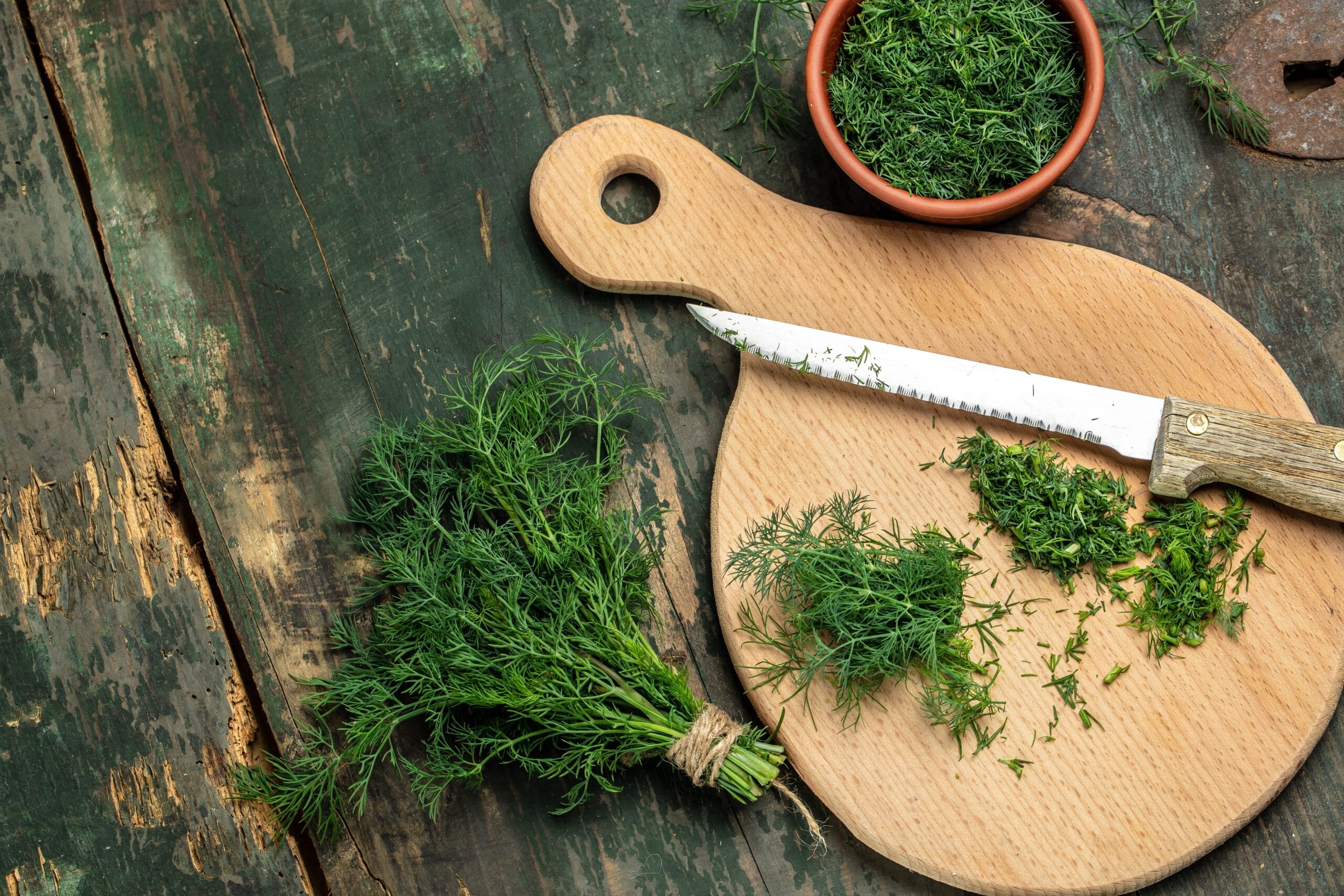
- Cut the leaves with scissors once the plant reaches 15–20 cm in height.
- Harvest gradually – outer leaves first.
- The leaves are best fresh, while the seeds are used dried as a spice.
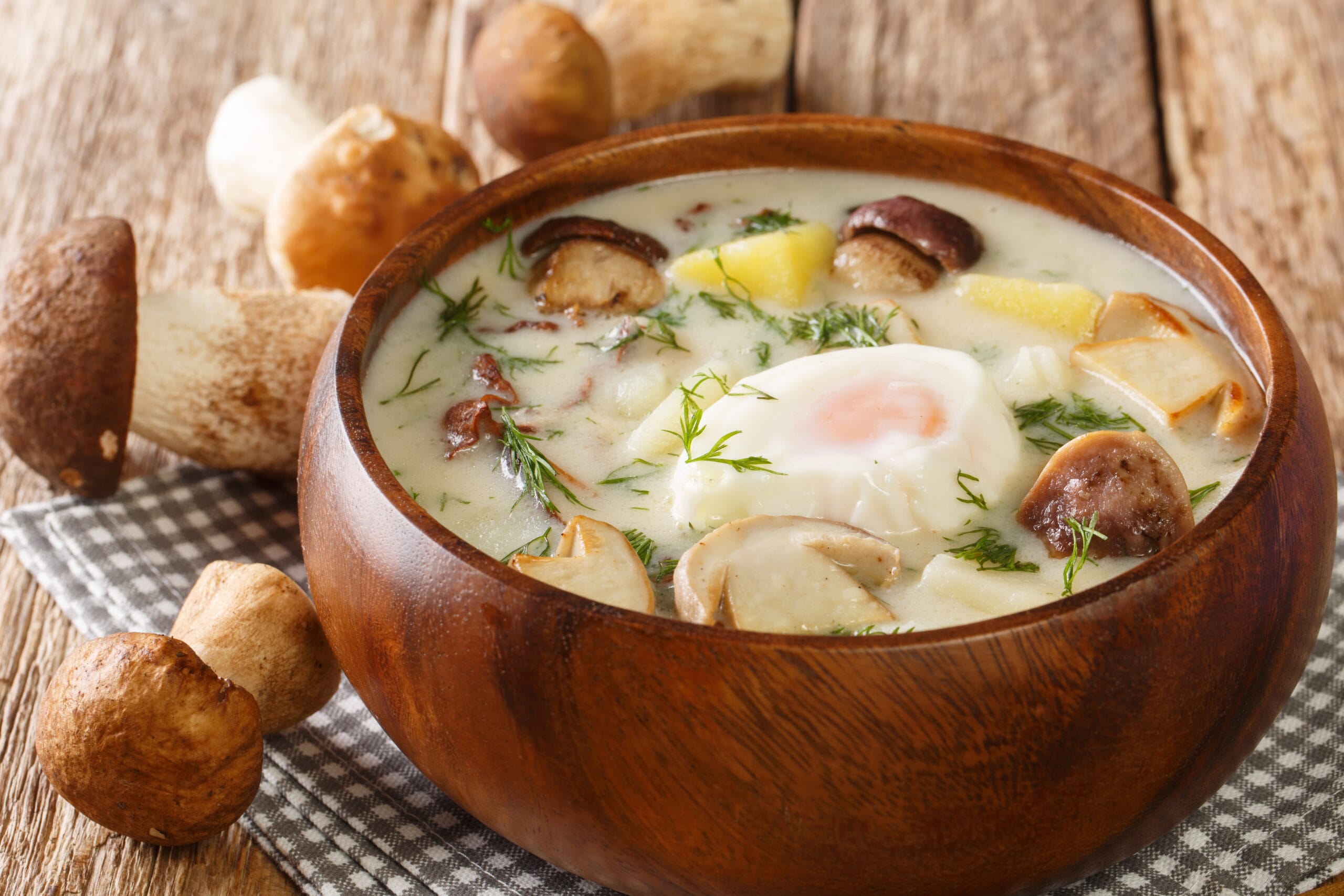
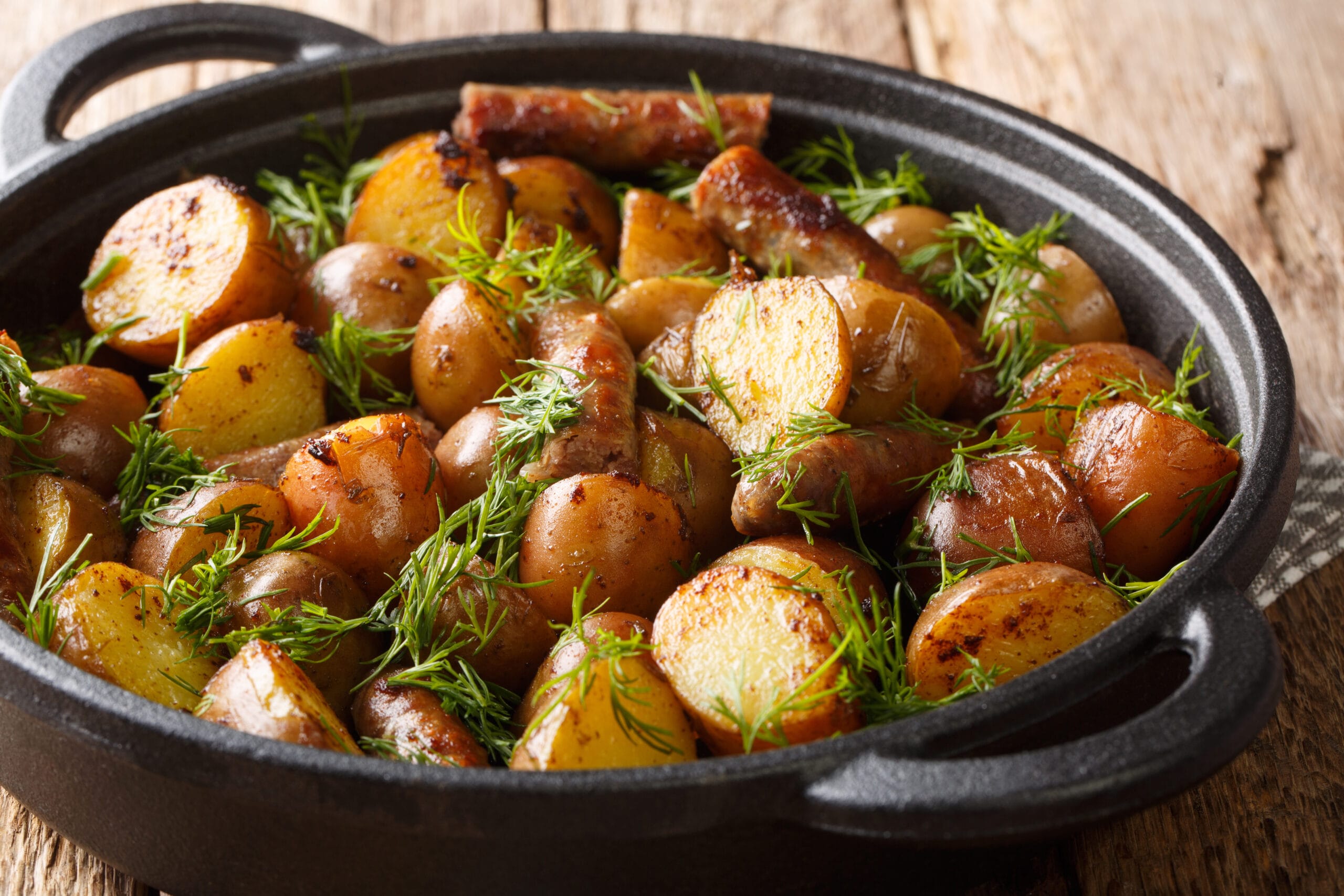
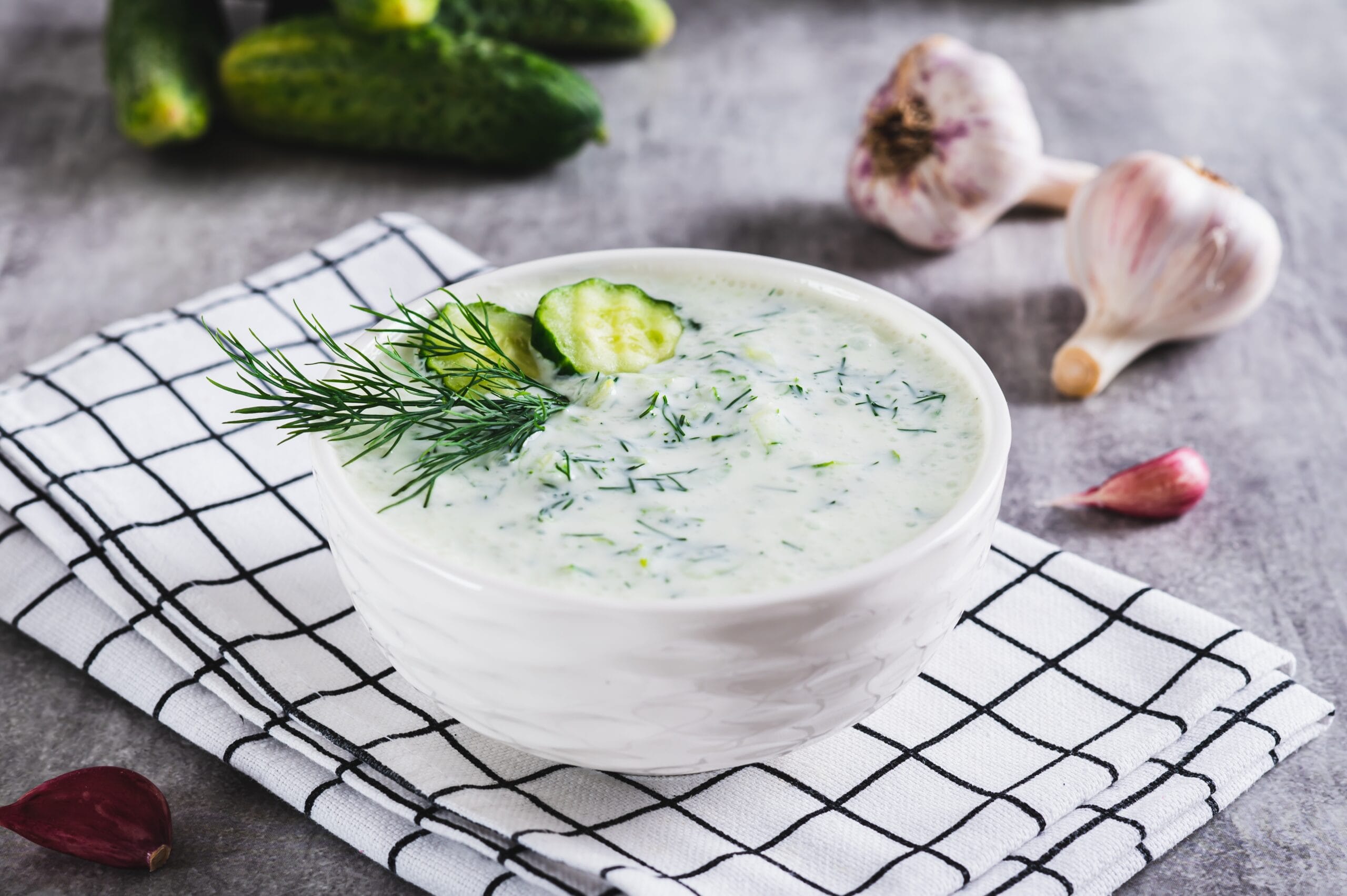
- It is excellent with fish, marinades, cucumbers, soups and salads.
Common problems and solutions
| Problem | Possible cause | Solution |
| Weak growth | Too little light | Move to a sunny spot or use LED lighting |
| Yellow leaves | Too much moisture | Reduce watering, use a well-drained growing medium |
| Bolting | High temperatures | Pick leaves regularly to slow down flowering |
| Pests (aphids, caterpillars) | Poor ventilation | Provide airflow and use natural repellents |
| Weak aroma | Old leaves | Pick young leaves for a stronger aroma |
The difference between dill and fennel
- Dill (Anethum graveolens): thinner, feathery leaves, a distinctive aromatic flavour, used in fish dishes and pickling.
- Fennel (Foeniculum vulgare): thicker leaves and a bulb, a milder flavour with a hint of anise, used as both a vegetable and a herb.
How to store dill
- In the fridge: fresh leaves in a bag or container – up to 5 days.
- Freezing: chop and freeze in ice cubes with water or oil.
- Drying: the leaves lose some of their aroma, but the seeds remain a strong spice.
Conclusion
Dill (Anethum graveolens) is an essential plant in the kitchen – perfect for fish, pickling and light summer recipes, while supporting healthy digestion and immunity. With the SIMPLY and AURELIA smart gardens, you can have fresh dill all year round – always to hand, with no stress or effort.