










What is coriander (Coriandrum sativum), what is it good for and how do you grow it at home?
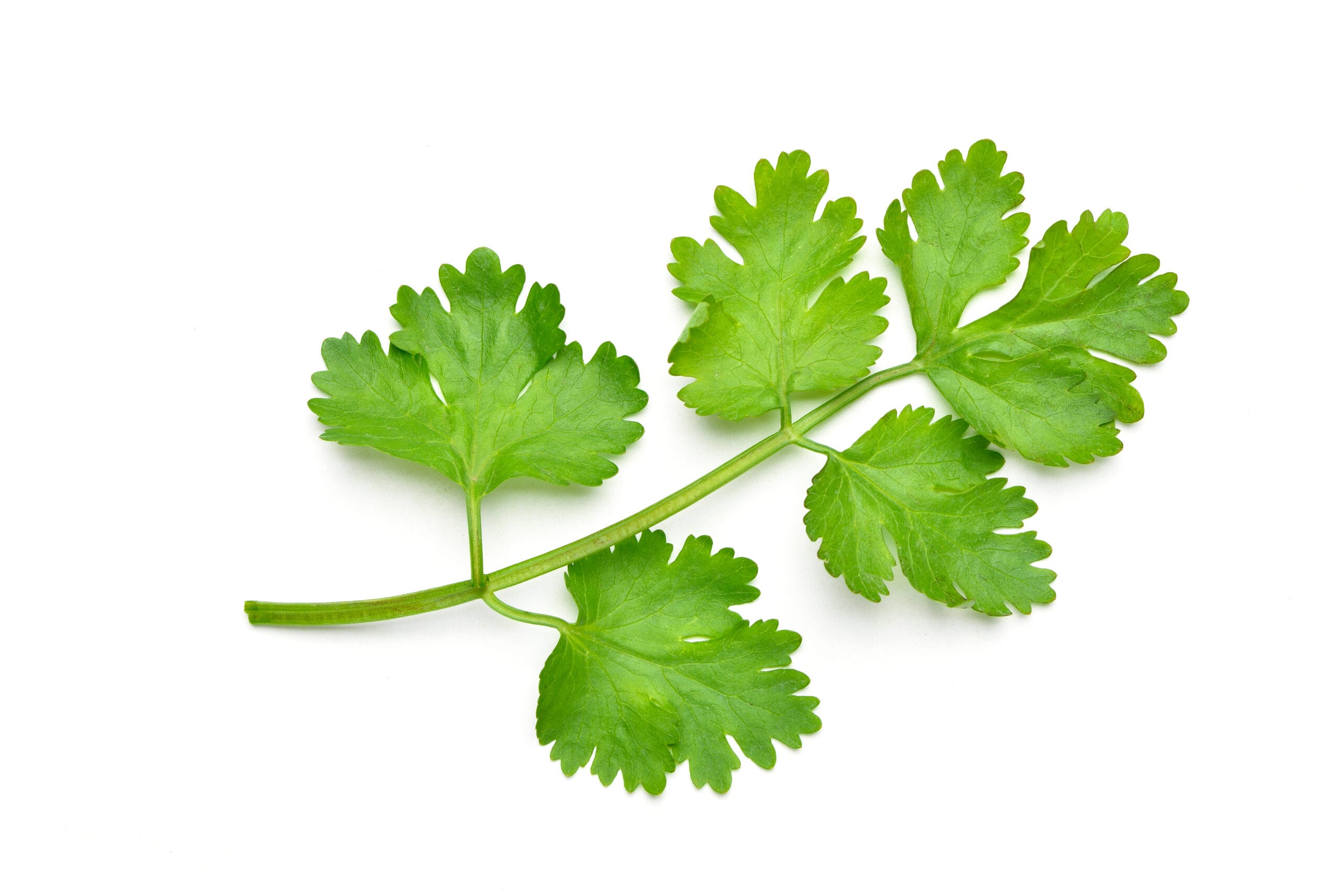
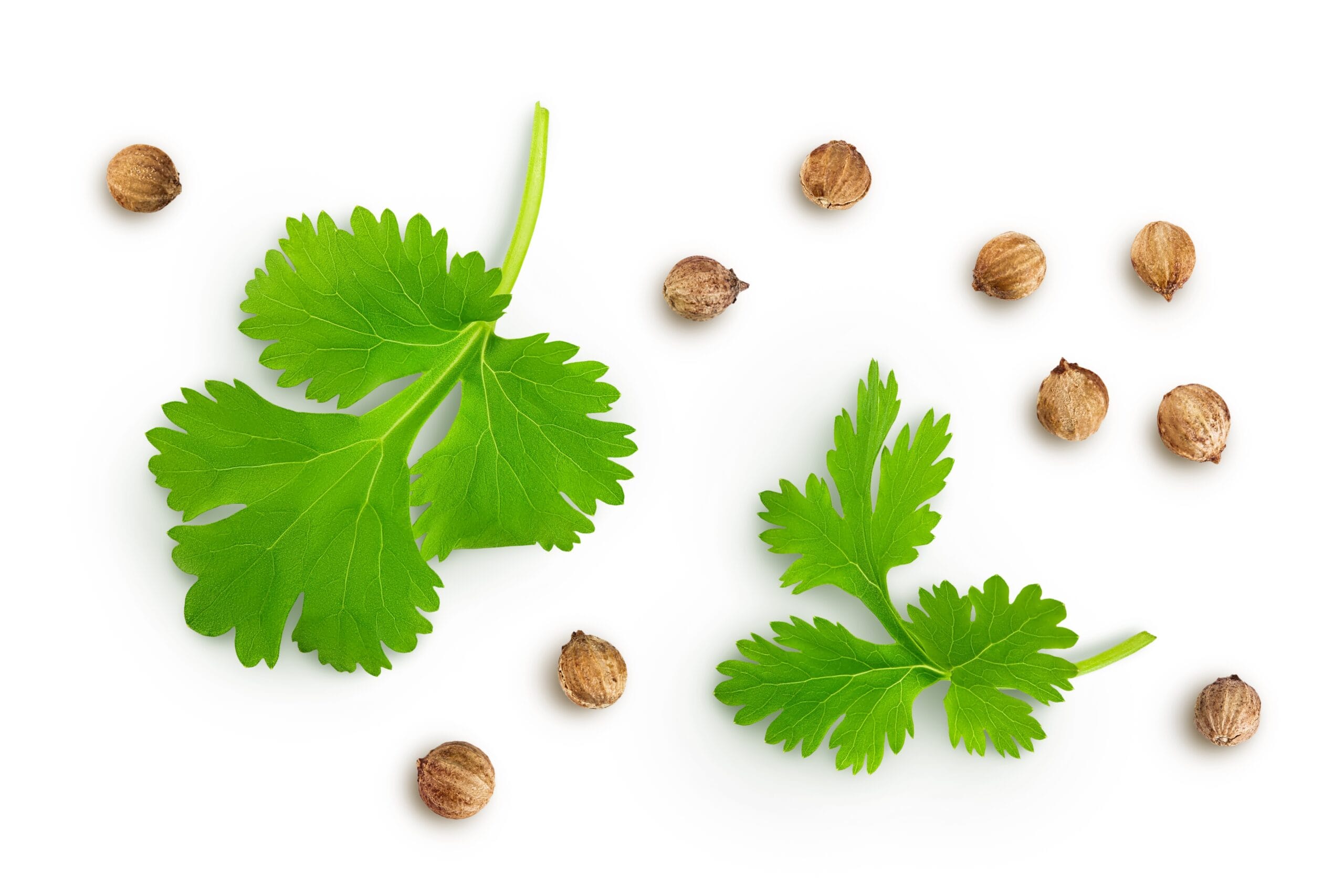
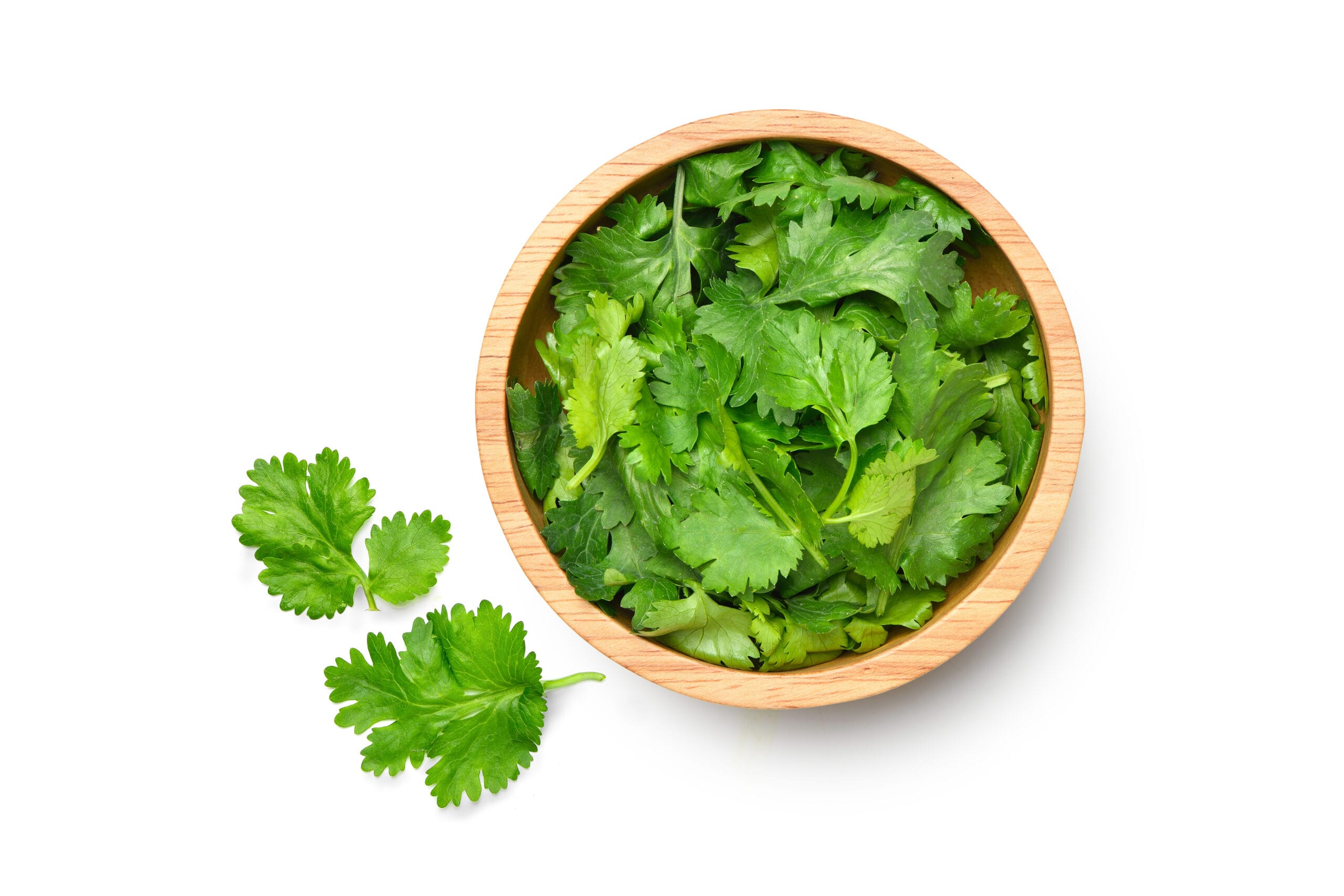
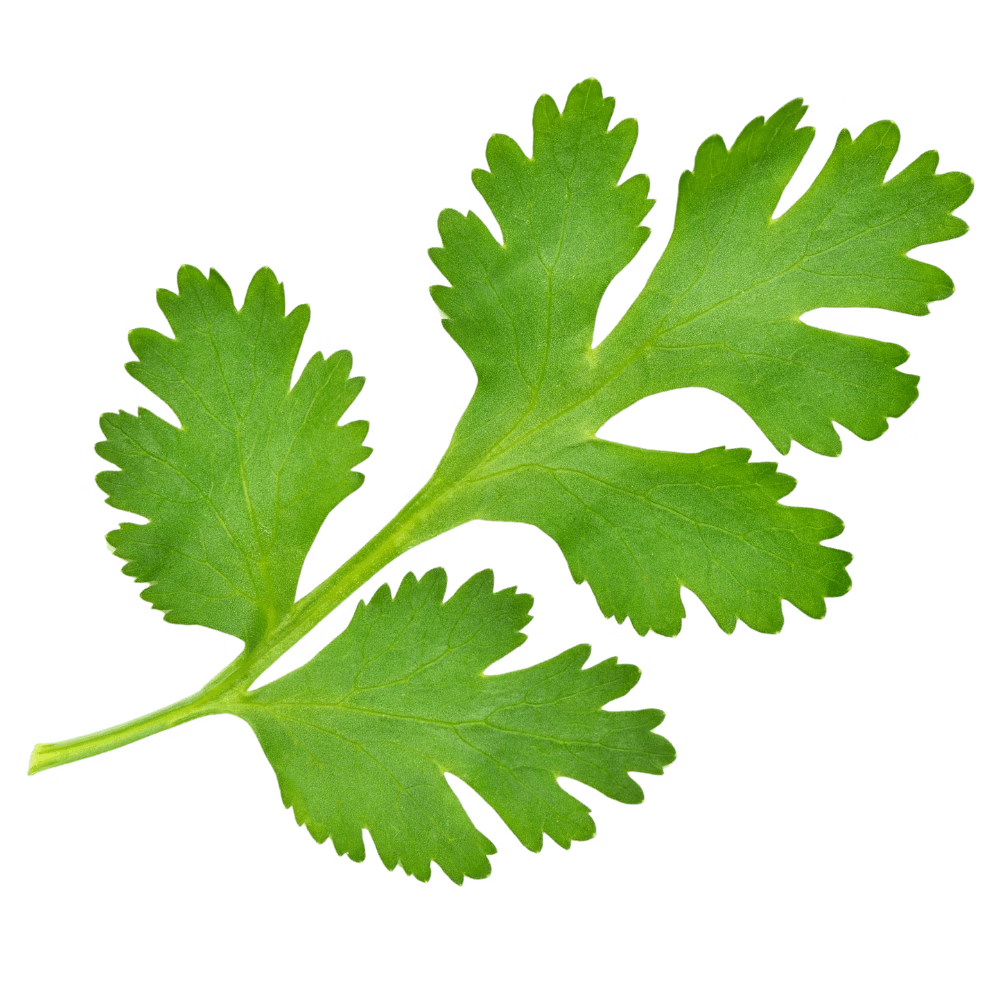
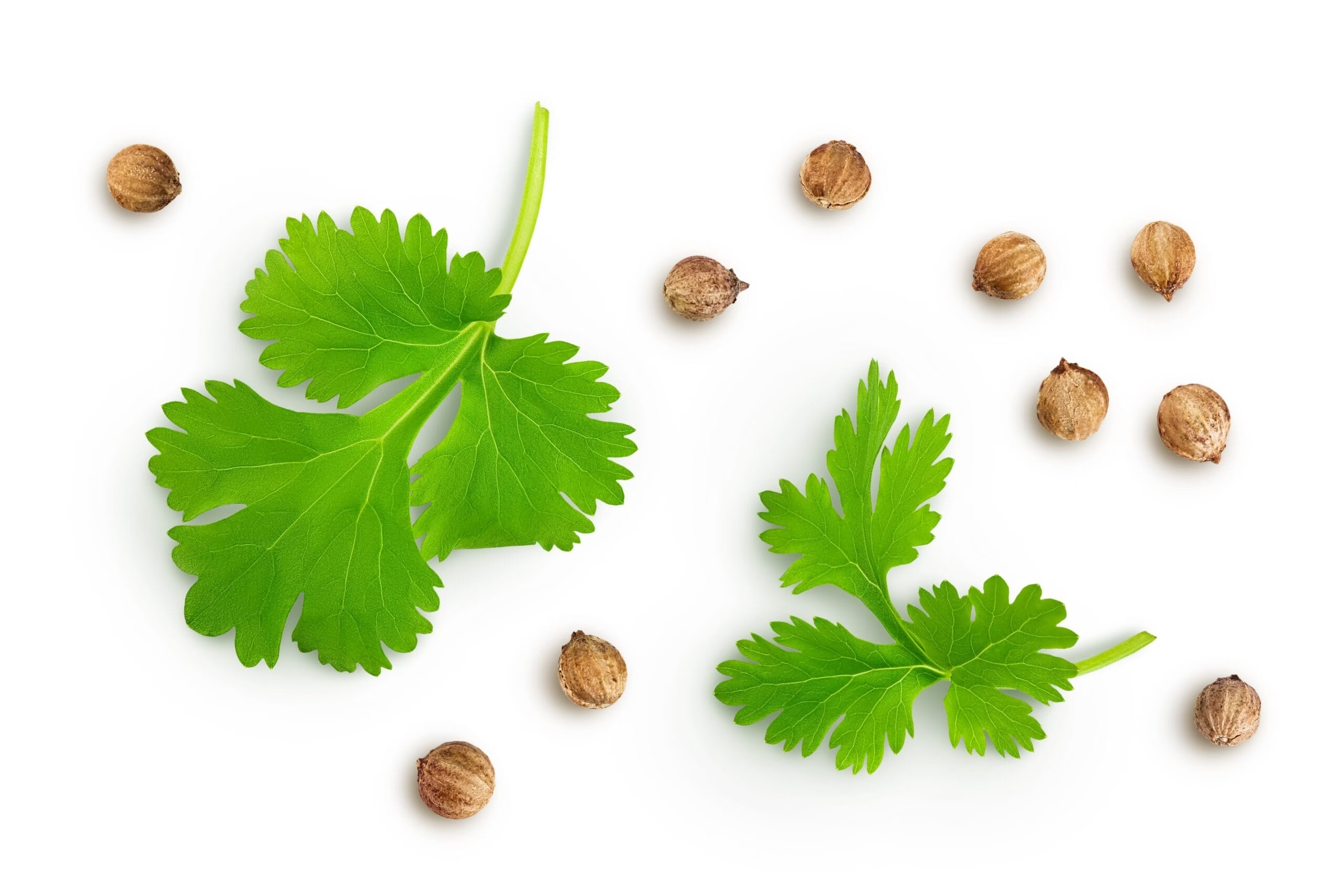
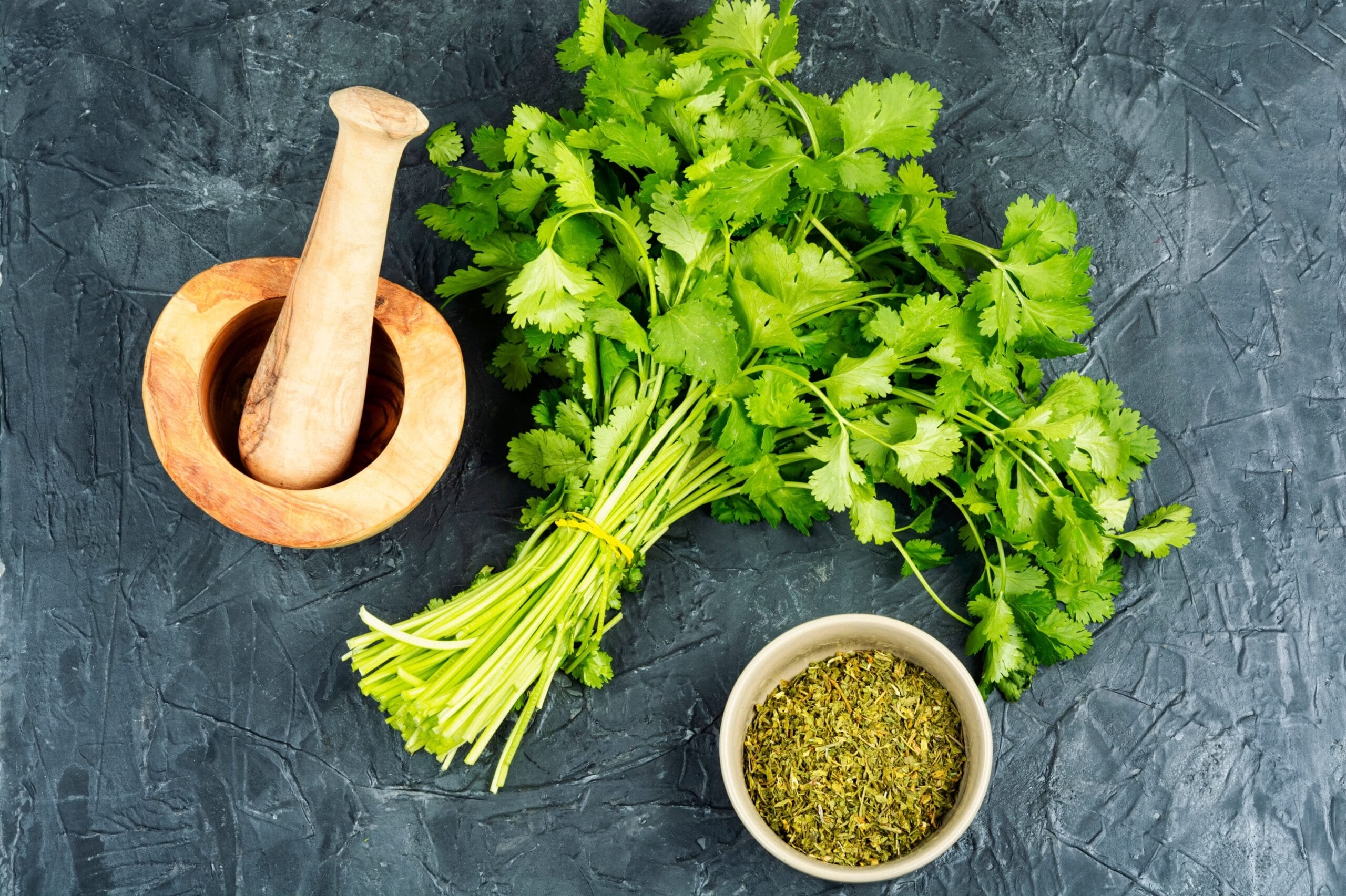
Coriander (also known as cilantro or Chinese parsley) is an aromatic plant used in cooking and folk medicine around the world. It is especially popular in Asian, Mexican and Mediterranean cuisine. Its leaves have a fresh, citrusy flavour, while the seeds give a warm, spicy aroma.
Nutritionally, coriander is rich in vitamins A, C and K, folic acid and minerals such as calcium, iron and potassium. It is also known for compounds with antioxidant and detoxifying effects.
Quick facts
- Germination time: 7–14 days
- Germination temperature: 18–22 °C
- Time to harvest: 40–60 days (leaves), 90+ days (seeds)
- Primary use: cooking, medicinal use
- Vitamins/minerals: A, C, K, folic acid, calcium, iron, potassium
- Effects on the body: supports digestion and detoxification, and strengthens immunity
Growing coriander at home
Coriander likes sunny positions and loose, well-drained soil. It can be grown in gardens, in containers on balconies or indoors. The plant grows quickly, but also easily “bolts” if it is too warm, so it is important to pick the leaves regularly.
In smart gardens such as SIMPLY and AURELIA, growing coriander becomes simple – automatic watering and optimal light ensure a constant supply of fresh leaves with very little effort.
Planting coriander from seed
- Sow the seeds shallowly in a light substrate or use smart soil with seeds.
- Germination takes 7–14 days with constant moisture.
- Once they sprout, thin the plants so they have room to grow.
- In SIMPLY and AURELIA smart gardens there is no transplanting and no fuss – the process is automated.
Growing in Simply and Aurelia smart gardens
Our smart gardens let you always have fresh coriander close at hand – leaves for salsas, curries, salads or smoothies, and later seeds for spices.
How to harvest and use coriander
- Pick the leaves regularly; younger leaves have the best aroma.
- The seeds are harvested when they turn brown and dry out.
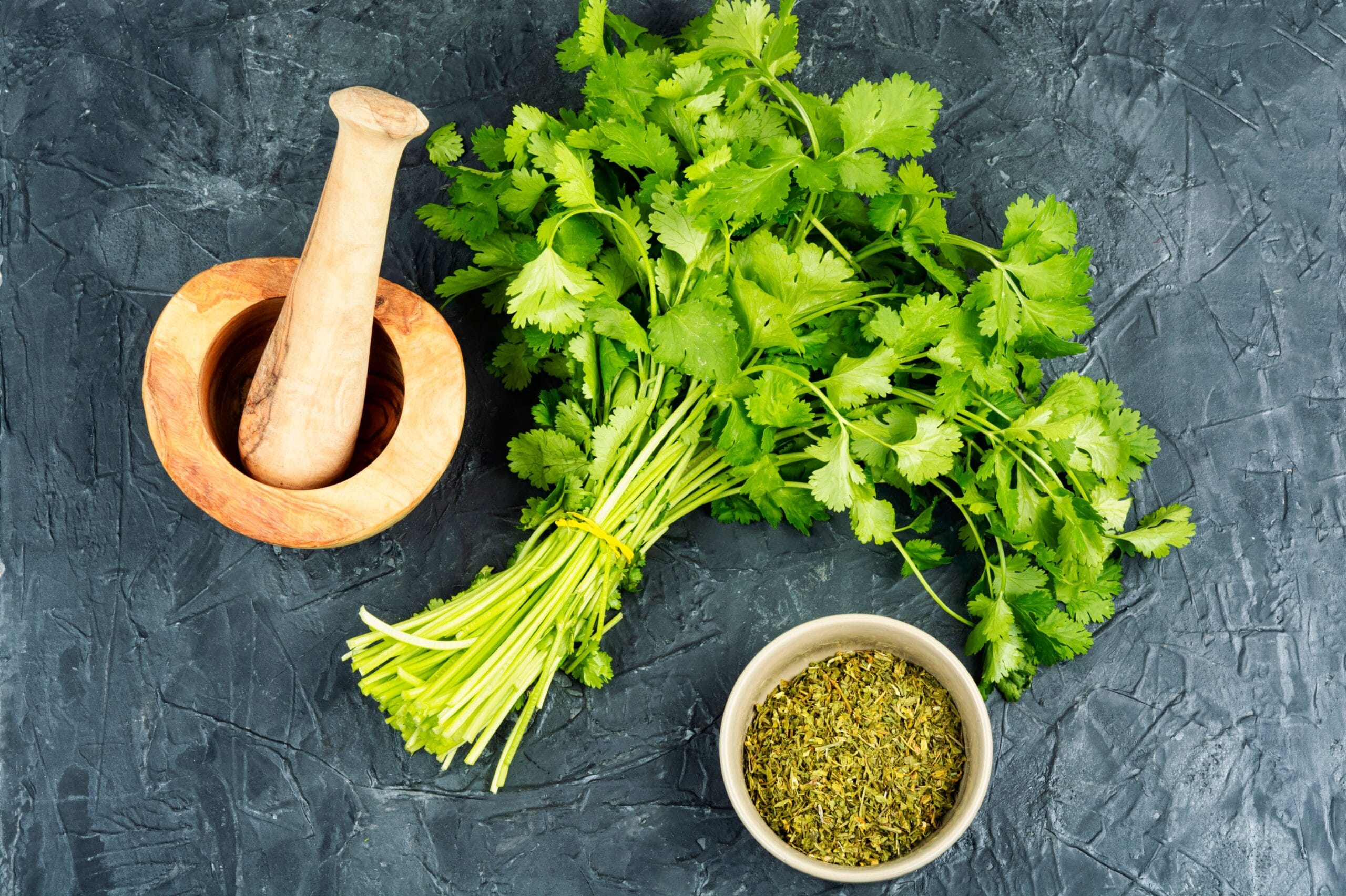
- It is used fresh (leaves), dried or ground (seeds).
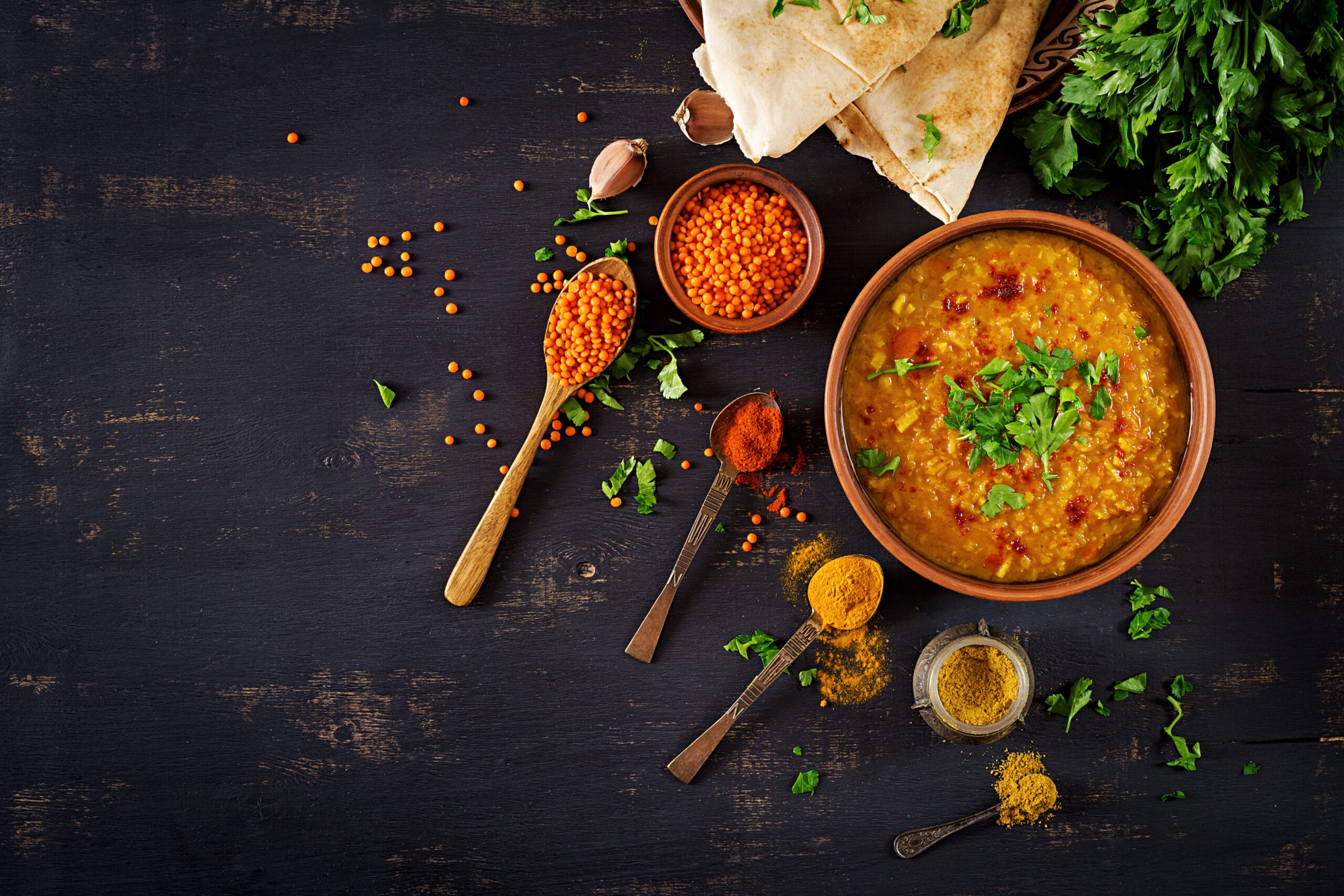
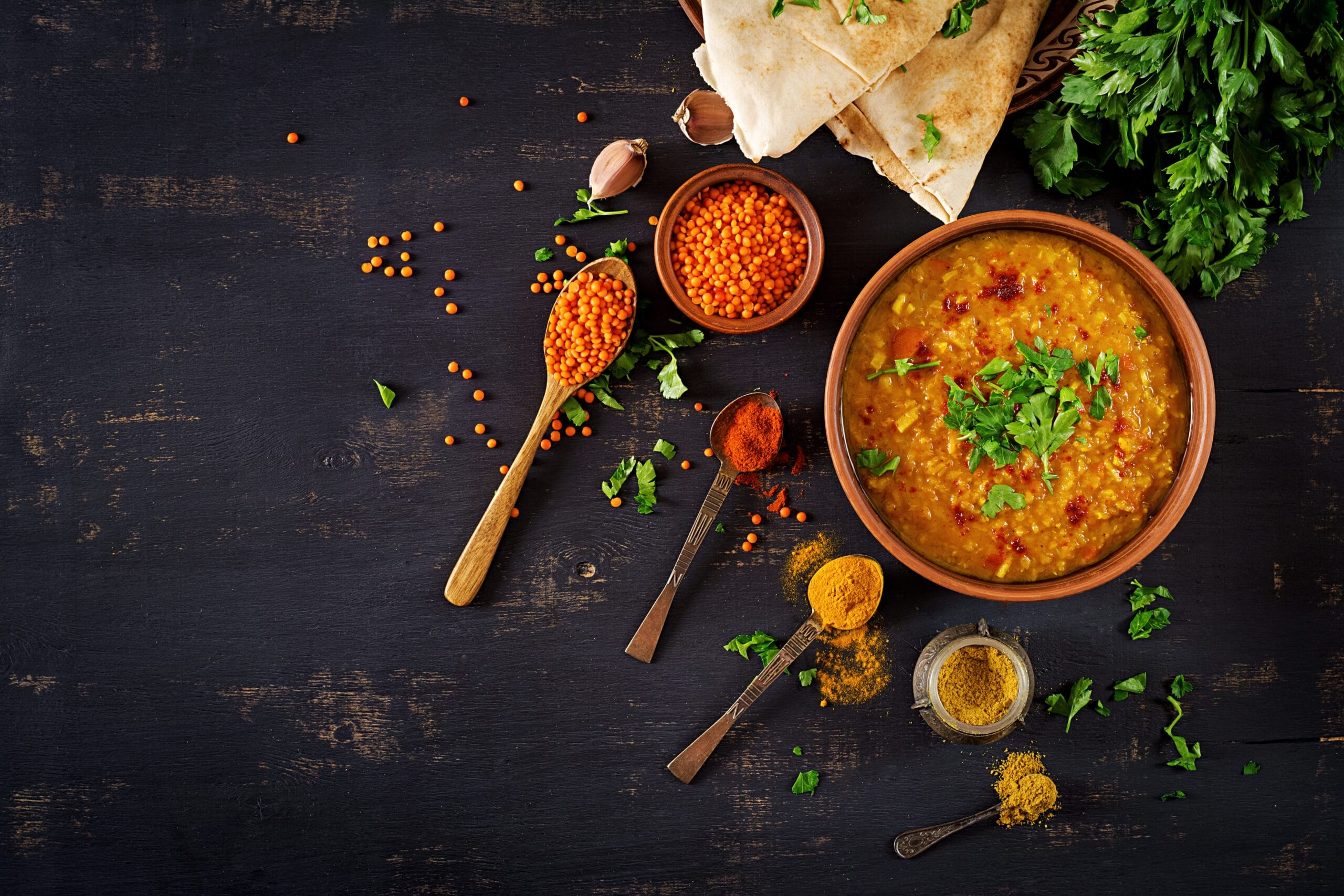
- It is ideal for soups, sauces, curries, marinades, salads and drinks.
Common problems and solutions
| Problem | Possible cause | Solution |
| Bolts quickly | Too much heat | Pick regularly, keep at moderate temperatures |
| Weak growth | Overcrowded planting | Thin the plants |
| Yellow leaves | Nutrient deficiency | Add organic fertiliser or use smart soil |
| Pests (aphids) | Poor air circulation | Ensure ventilation and use natural repellents |
| Wilting | Too little water | Keep the moisture even |
The difference between coriander and parsley
- Coriander (Coriandrum sativum): citrusy leaf aroma, used in Asian and Mexican cuisine, seeds used as a spice.
- Parsley (Petroselinum crispum): milder flavour, typical of European cuisine, mainly the leaf is used.
How to store coriander
- In the fridge: wrap the leaves in a damp paper towel and keep them in a bag for 5–7 days.
- Freezing: chop the leaves and freeze them in ice cubes with water or oil.
- Drying: mainly used for the seeds, as the leaves lose their aroma.
Conclusion
Coriander (Coriandrum sativum) is a plant that enriches cooking and contributes to health. It brings freshness to dishes, aids digestion and offers strong nutritional value. With the SIMPLY and AURELIA smart gardens, you can grow it all year round – always fresh, available and ready for your kitchen.